

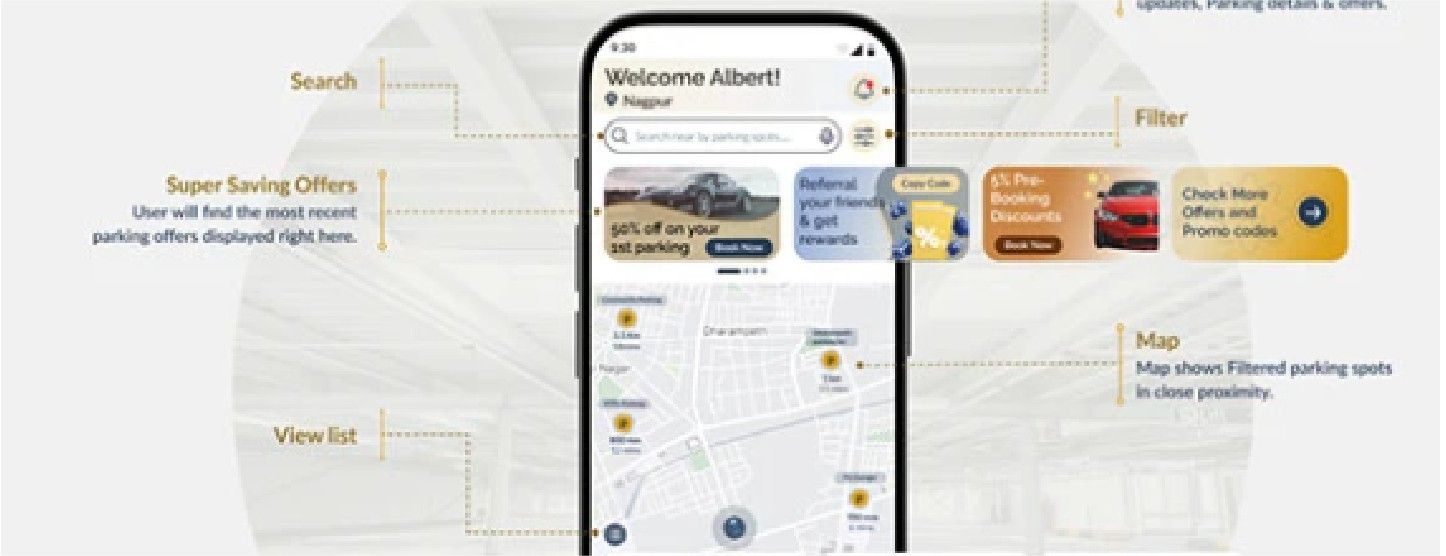
Architecture is inherently about problem-solving, spatial thinking, and user experience. Architects design spaces that people inhabit, move through, and interact with. This skillset translates naturally to UI/UX design, where the “spaces” are digital and the “users” are people interacting with websites, apps, or digital products. The best part? You can enter the UI/UX field without any coding knowledge, leveraging your architectural mindset to excel in digital design.
Why Architects Make Great UI/UX Designers
Several skills architects already possess are directly applicable to UI/UX:
- Spatial Thinking: Understanding hierarchy, flow, and visual organisation in physical spaces translates to digital layouts.
- Human-Centric Design: Architects focus on user comfort, accessibility, and ergonomics – principles central to UX.
- Problem Solving: Designing for constraints, circulation, and usability in buildings mirrors interface design challenges.
- Visual Communication: Presentation skills, prototyping, and storytelling are critical in both fields.
- Iterative Design Process: Architects test, revise, and refine – the same iterative approach is fundamental to UX.
In short, UI/UX is just architecture for digital experiences.
Step 1: Learn the Basics of UI/UX
Start by understanding the core principles:
- UX (User Experience): Focuses on usability, interaction, user research, and problem-solving.
- UI (User Interface): Focuses on visual elements – typography, colours, buttons, and screens.
- Design Thinking: A human-centred approach to problem-solving used in both architecture and UI/UX.
You can explore these concepts through free resources like:
- Interaction Design Foundation (IDF)
- Coursera UI/UX Courses
- YouTube tutorials on UX research and prototyping
Architects already familiar with user flows and circulation will find these principles intuitive.
Step 2: Master Design Tools (No Coding Required)
UI/UX design relies heavily on visual and prototyping tools, not coding. Key tools include:
- Figma: Cloud-based tool for UI design and prototyping. Excellent for collaboration.
- Adobe XD: Professional interface design tool with interactive prototypes.
- Sketch: Popular for Mac users, ideal for interface layouts and symbols.
- Canva or InVision: Useful for simpler UI mockups and presentations.
For architects, these tools are comparable to SketchUp, AutoCAD, or Revit, where you visualise, layer, and iterate designs digitally.
Step 3: Build Your Digital Design Portfolio
Your portfolio is the key to entering UI/UX, especially without coding. Steps to start:
- Start Small: Redesign a simple app, website, or interface. Document your thought process, problem-solving steps, and iterations.
- Highlight UX Thinking: Focus on user research, journey mapping, wireframes, and usability improvements – your architectural planning skills shine here.
- Show Visual Design: Include polished screens, colour palettes, typography choices, and layout hierarchies.
- Iterate Like in Architecture: Just as you refine building designs, iterate your digital prototypes to improve user experience.
A strong portfolio demonstrates process and thinking, which employers value more than coding skills.
Step 4: Learn Basic UX Research
Even without coding, understanding users is essential. Architectural training in human behaviour and ergonomics gives you a head start. Core research activities include:
- User Interviews: Gather feedback about digital interactions.
- Personas: Create fictional users to guide design decisions.
- Journey Mapping: Visualise how users navigate digital products.
- Usability Testing: Test your design with real users and iterate.
These steps mirror site visits, user studies, and circulation analysis in architecture.
Step 5: Enter the Job Market
Once you have skills and a portfolio, you can target entry-level UI/UX roles:
- UI/UX Designer – Focus on visual interfaces.
- UX Researcher – Conduct user studies and optimise workflows.
- Product Designer – Combine UX research and UI design.
- UX Consultant – Advise businesses on usability and digital experiences.
Freelancing platforms like Upwork, Fiverr, and Behance also allow you to gain real-world projects without coding.
Step 6: Transition from Architecture to UI/UX
Architects can make the transition by:
- Highlighting Transferable Skills: Emphasise problem-solving, human-centred design, and visualisation in your portfolio.
- Networking: Join UX communities, attend webinars, and connect with professionals on LinkedIn.
- Upskilling Strategically: Focus on tools, UX research, and prototyping instead of coding.
Your architecture background gives you an advantage in understanding complex systems, spatial layouts, and user journeys, which are critical in UX design.
Conclusion
UI/UX design is a natural extension of architecture for those who love human-centred problem solving, visual storytelling, and iterative design. The good news: you don’t need coding skills to start your career. By mastering UX principles, UI design tools, and portfolio development, architects can enter this rapidly growing field confidently.
For students and professionals at the intersection of design and technology, UI/UX offers a creative, fulfilling career path that complements architectural thinking in new digital spaces.
By embracing UI/UX, architects can extend their design influence from physical spaces to digital experiences, shaping the way people interact with the world – both built and virtual.




.png)