


Urban planning in India is a dynamic interplay of policy, heritage, sustainability, and citizen-centric design. For GATE Architecture & Planning 2026 aspirants, understanding these policies isn’t just about memorising facts — it’s about connecting concepts with real-world urban development practices.
This blog highlights key urban planning policies in India that aspirants should prioritise, linking each to its practical significance and exam relevance.
1. URDPFI Guidelines: Structuring Indian Cities
The Urban and Regional Development Plans Formulation and Implementation (URDPFI) Guidelines set out a structured approach to city and regional planning. Issued by India’s Ministry of Urban Affairs, these guidelines emphasise efficient land use, sustainable development, and planned urban growth.
Exam relevance: Questions in the Planning Process section often assess your understanding of how URDPFI principles guide modern Indian urban planning, from zoning norms to sectoral distribution.
You might also want to read: How AIR 1 Cracked the GATE Architecture Exam in 2025 and What You Can Learn for 2026
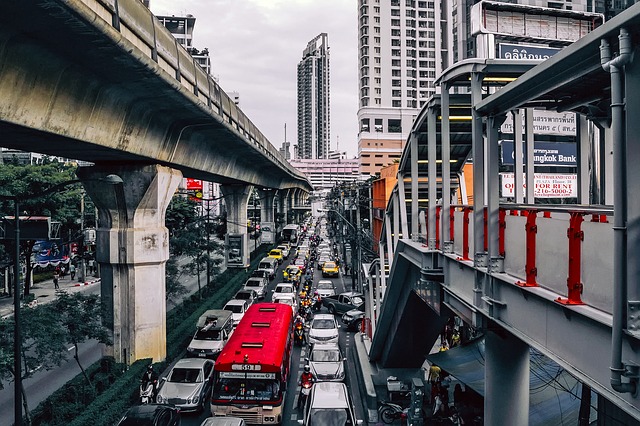
Image Source: Econlib
2. National Urban Transport Policy (NUTP): Moving Cities Sustainably
The NUTP promotes sustainable urban mobility, integrating public transport, non-motorised transport, and traffic management. It encourages cities to design infrastructure that reduces congestion and environmental impact.
Exam relevance: Expect questions on transport planning, mobility strategies, and policy implementation. Understanding NUTP helps aspirants connect planning frameworks to practical urban mobility solutions.
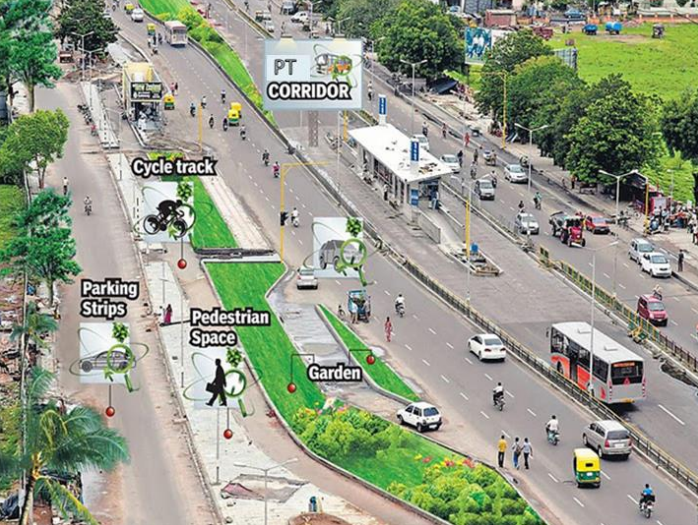
Image Source: Academia.edu
3. Smart Cities Mission: Technology Meets Urban Planning
Image Source: Academia.edu
Launched in 2015, the Smart Cities Mission focuses on developing 100 cities across India with sustainable infrastructure, ICT integration, and citizen participation. The initiative showcases how digital tools and planning frameworks converge to improve urban living standards.
Exam relevance: This policy demonstrates contemporary planning approaches and is frequently referenced in GATE questions on smart governance, urban sustainability, and infrastructure management.
4. AMRUT: Transforming Basic Urban Infrastructure
The Atal Mission for Rejuvenation and Urban Transformation (AMRUT) targets water supply, sewerage, and urban transport services, aiming to enhance the quality of life in mid-sized and large cities.
Exam relevance: Understanding AMRUT is essential for questions related to urban infrastructure planning, service delivery, and policy frameworks for public amenities.
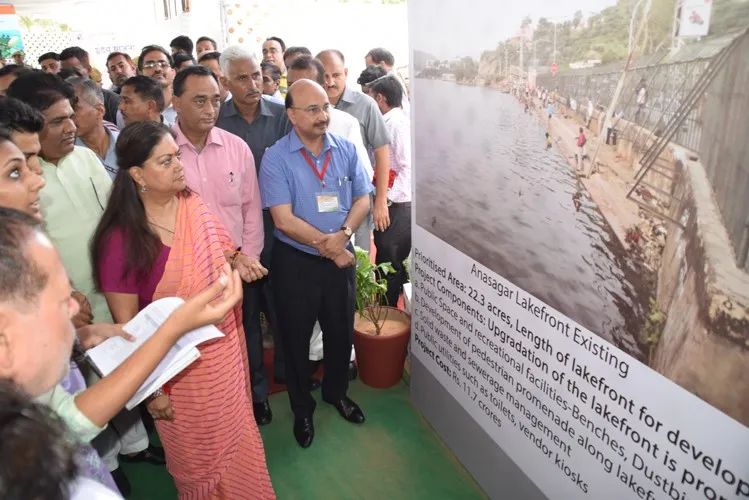
Image Source: Dronah News Feed Wordpress.com
5. HRIDAY: Heritage Meets Urban Development
The National Heritage City Development and Augmentation Yojana (HRIDAY) focuses on preserving heritage cities while promoting sustainable tourism. It encourages planners to integrate cultural identity into urban development
, balancing modernisation with conservation.
Exam relevance: HRIDAY topics often appear in questions around heritage conservation, adaptive reuse, and cultural urban planning.
Practical Tips for GATE Aspirants
- Prioritise Policy Objectives: Memorise key aims and strategies rather than long descriptions.
- Connect Theory with Practice: Link each policy to case studies or real cities, e.g., Smart Cities → Pune, AMRUT → Indore.
- Solve Previous-Year Questions: Practice 2018–2025 papers to see how these policies are tested.
- Revise Smartly: Use tables or flashcards for quick recall before exams.
AThis year Kaarwan's mentors for GATE Architecture Course 2026 has seen a great addition this year aspirants master complex topics like urban policies, planning processes, and design concepts with structured mentorship and short, high-impact sessions. Our GATE Architecture & Planning 2026 Crash Course combines previous year analysis, conceptual clarity, and exam strategies to prepare students effectively.
Till now, Kaarwan has guided over 44,600+ AECO students & professionals, enabling them to connect theory with practice and build confidence before their exams.
FAQs
Q1. What is the purpose of the URDPFI Guidelines?
They provide a structured framework for sustainable urban and regional planning across Indian cities.
Q2. Which Indian initiative focuses on integrating technology with urban planning?
The Smart Cities Mission.
Q3. How does AMRUT improve city life?
By upgrading water, sewerage, and urban transport services to enhance living standards.
Q4. Why is HRIDAY important for planners?
It preserves cultural heritage while promoting sustainable urban development.
Q5. What else is important in GATE Prep for 2026 aspirants?
Join in GATE Architecture Crash Course 2026, with Kaarwan and catch onto latest guidance from All India Rank 1 (from 2025 GATE AR)
Q6. Can understanding these policies help in professional practice?
Yes, knowledge of urban policies is essential for planning, design decisions, and real-world urban projects.




.png)