Knowing the total cost of a project extends well beyond the building period, which is crucial for long-term building design. LCCA, or Lifecycle Cost Analysis, comes into play here. In addition, it becomes an even more potent tool for students, architects, and AEC professionals who are looking for sustainable, cost-effective solutions when combined with Building Information Modelling (BIM). Here I will explain what lifecycle cost analysis (LCCA) is, how building information modelling (BIM) improves it, and how you may include both in your projects.
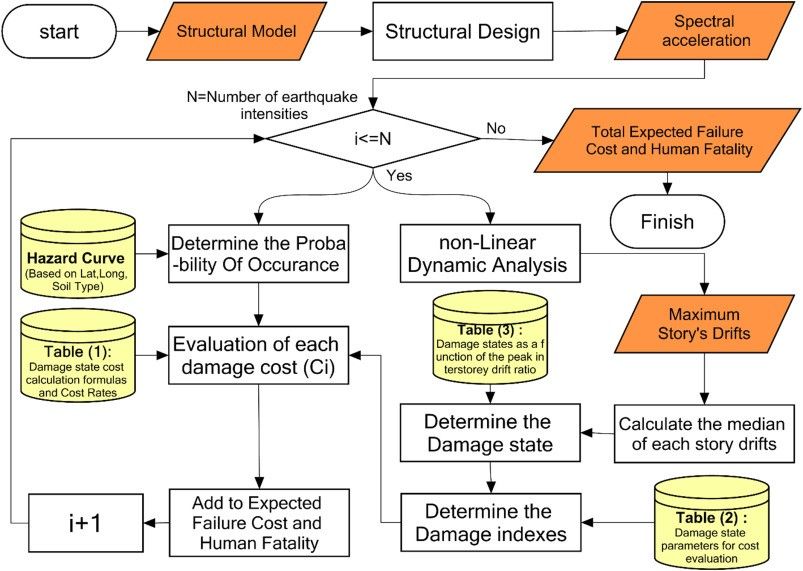
Image Credit:sciencedirect.com/
What exactly is lifecycle cost analysis (LCCA)?
One way to figure out how much a building will cost to own throughout its whole useful life is to do a lifecycle cost analysis (LCCA). Budgeted for are not just one-time expenditures like design and building but also ongoing costs like:
- Running costs (such as electricity and water)
- Upkeep and fixing
- Repairs and upgrades
- Waste management, destruction, and other end-of-life expenses
Traditionally, cost estimating has primarily focused on upfront expenditures, often overlooking future expenses that can significantly impact a building's value. On the other hand, LCCA that is powered by BIM offers a data-rich model that aids in cost forecasting and visualisation right from the start of the design process.
Building Information Modeling's Function in LCM
Beyond its 3D modelling capabilities, building information modelling (BIM) serves as a data centre that incorporates information on materials, energy usage, and operational behaviour. The revolutionary function of BIM in LCCA is as follows:
1. Projected Expenses
It is simpler to model the long-term effects of various design choices on budget with BIM. When comparing façade materials, you might look at their energy efficiency and maintenance requirements, for example.
2. Energy and Material Savings
You may lessen your effect on the environment and your operational expenses by using BIM to monitor and use sustainable materials. You may simulate power usage and investigate how to boost efficiency.
3. Prevention of Conflicts and Mitigation of Risks
Using building information modelling (BIM) techniques, problems between structural, architectural, and MEP systems may be found earlier. Minimising disputes can help cut down on rework, delays, and unexpected expenses.
4. Software for Managing Expenses
Autodesk BIM 360, Revit, CostX, and others can connect to BIM models and supply up-to-the-minute cost information. As a result, LCCA is kept up-to-date with all the latest design revisions.
The Advantages of Building Information Modelling for LCM
Several long-term benefits that can be achieved by implementing BIM for LCCA:
- Better Budget Planning Ignited from Concept Design onwards: Building Information Modelling (BIM) enables precise quantity take-offs, which aid in improved budget planning.
- Sustainability and Savings: You may significantly lower lifetime expenses by modelling energy usage and selecting low-maintenance materials, which contribute to sustainability and long-term savings.
- Reduced Maintenance Expenses: Building Information Modelling (BIM) enables proactive maintenance by predicting when building components will require repair or replacement.
- Improved Project Value: A building that is well-kept and uses energy efficiently keeps its value higher and guarantees greater ROI.
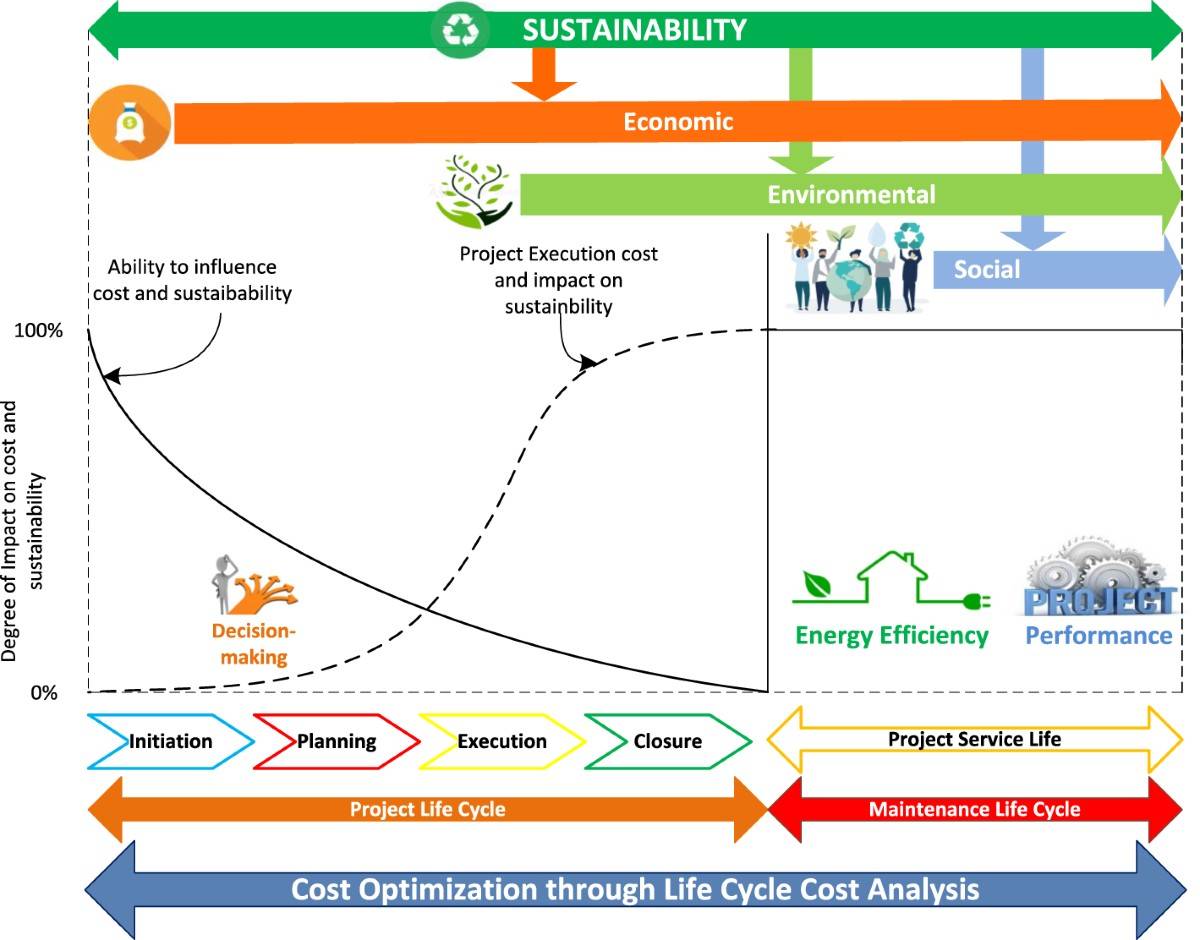
Image Credit: https://link.springer.com/article/10.1007/s10668-022-02579-x
Case Studies: Building Information Modelling in Live CCA Projects
Commercial High-Rise Project — Case Study 1
The Singaporean commercial skyscraper analysed the HVAC system's long-term cost implications using building information modelling (BIM) coupled with CostX.
Case Study 2: A Building with Zero Energy Use
The use of building information modelling (BIM) and life cycle assessment (LCA) methods allowed a Swedish school to achieve net zero energy use throughout construction. The optimal orientation, insulation, and window glazing were determined by the simulations, leading to a 25% reduction in operational expenditures over the course of 30 years.
Public Infrastructure Maintenance — A Third Case Study
A British city council adopted a BIM-based LCCA approach to maintain public schools. They created a preventative maintenance program that cut emergency repair expenses by over 30% by forecasting wear trends.
How to Implement BIM for LCCA in Your Projects
For those who are prepared to get right in, here is a realistic, step-by-step method:
- Establish the Scope: Decide which phases of the lifespan (such as design, operation, and destruction) you wish to encompass.
- Create an In-Depth Building Information Model (BIM): Integrate material data, system details, and performance metrics.
- Connect with LCCA Tools: run cost simulations using Revit, CostX, or BIM 360, among others.
- Evaluate and Compare: Try out various materials, layouts, or systems by running scenarios.
- Keep Models Updated: As the design develops, be sure to update the model with the most recent cost data.
Industry Standards
- Models should be kept somewhat simple while still containing a wealth of data.
- Maintain tight relationships with engineers and quantity surveyors.
- Make sure the pricing is accurate by validating assumptions on a regular basis.Monitoring, transparency, and accountability.
Investing in mastering BIM for wiser cost management and design is a wise move for architecture students and professionals today. At the core of this transformation is BIM-driven LCCA, which is driving the need for sustainable, efficient buildings. The demand is only going up.
Conclusion
If you want to know how much a building really costs, you have to go beyond the construction phase. Better decisions, more sustainable outcomes, and more value for everyone involved are the results of incorporating Building Information Modelling (BIM) into Lifecycle Cost Analysis (LCA).
Would you want to delve further? Enrol in our advanced BIM course for the sustainability workshop to gain a more profound understanding of digital workflows, sustainable design, and cost optimisation.
FAQs
In the construction industry, what is lifecycle cost analysis?
It is a way to calculate the overall cost of a structure during its useful life, which includes all expenses incurred during construction, upkeep, operation, and eventual disposal.
When it comes to cost assessment, how exactly can BIM help?
Building information modelling (BIM) facilitates cost forecasting throughout the building's lifetime, not only during construction, by providing precise data and simulations.
How can I find the finest building information modelling (BIM) technologies for life cycle cost analysis (LCCA)?
Autodesk Revit, BIM 360, and CostX are popular technologies that work well with processes for cost estimating.
Are LCCA projects compatible with BIM?
Sure thing. Many BIM programs include free student editions that have all the capabilities you need for learning and experimenting.
Does BIM only apply to large-scale projects?
This is not the case. Benefiting from BIM-driven cost and performance insights is possible even for modest residential projects.