


In recent years, Vastu Shastra has experienced a resurgence in architectural discourse, especially in India. While its principles—such as orientation, spatial hierarchy, and elemental balance—are rooted in ancient wisdom, many modern architects feel that strict adherence to these guidelines can curb creative expression and innovation.
This thought-provoking piece by Kaarwan explores why some professionals perceive Vastu as restrictive and how designers can thoughtfully integrate or transcend tradition to reclaim their creative agency.
The Tension Between Tradition and Innovation
Vastu offers a time-tested framework, guiding everything from room placement to building orientation. Yet for some architects, its rigidity can feel limiting—especially when striving for cutting-edge, site‑specific, or experimental design solutions. Balancing few-centuries‑old rules with modern demands like sustainability, urban density, and new materials becomes a delicate act.
Many practitioners highlight how Vastu's prescribed layouts or directional mandates may conflict with daylighting strategies, site-specific wind patterns, or project brief objectives. These tensions raise the question: should tradition dictate form, or should form follow context and creativity?
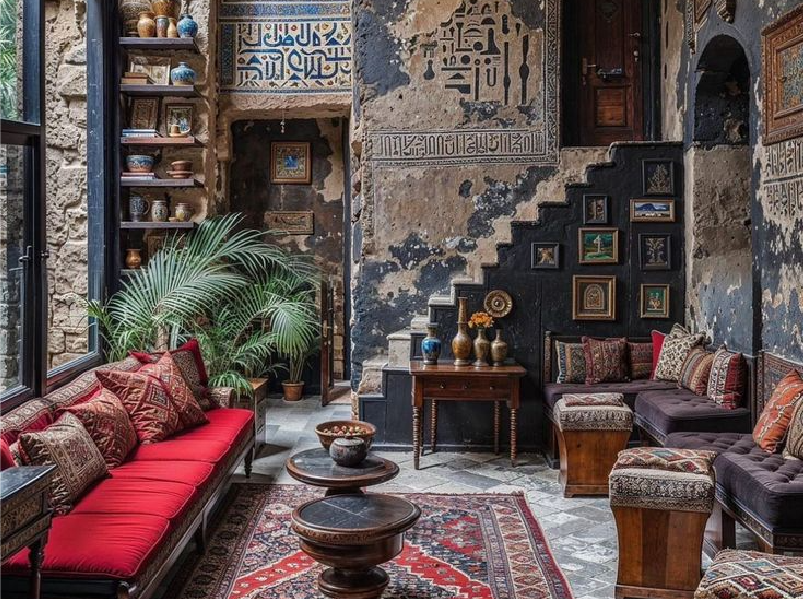
Common Vastu Constraints Facing Modern Design
Some frequently cited limitations include:
- Fixed room orientations (e.g. placing kitchens in the southeast corner)
- Strict entry points and axis alignments
- Single‑axis zoning, which might conflict with irregular plot shapes or asymmetrical compositions
- Mandated directions for puja or altar spaces, which can disrupt spatial flow or design aesthetics
For avant-garde or site‑responsive practices, these constraints may feel like creative ropes restricting exploration.
Not sure which path to choose? Try low-cost previews of various niches before you commit.
Why Architects Are Challenging the Status Quo
A growing number of architects are choosing a more fluid approach to Vastu:
- Selective Application – Retaining high-level orientation rules (like maximising northern light) while adapting room layouts as needed.
- Rationale-Based Decisions – Clearly documenting why a Vastu principle is adapted or bypassed, supported by daylight or climate simulations using tools like Ladybug and Grasshopper.
- Client Education – Helping clients understand the practical trade-offs between tradition and performance, ensuring that design decisions align with their values and lifestyle.
This evolving mindset allows architects to honour cultural roots without stifling innovation.
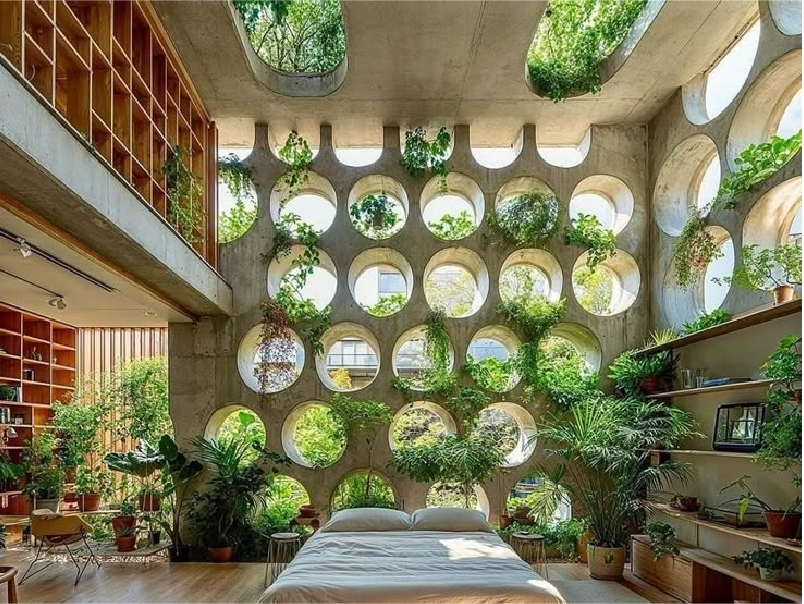
How to Reclaim Creative Freedom — Thoughtfully
To balance respect for Vastu with creative autonomy, consider the following strategies:
- Start with Context, Not Rules Analyse site conditions—sun path, wind, views, client habits—before finalising spatial arrangements.
- Use Evidence to Guide Adaptation Tools like Ladybug for daylight studies or wind diagrams can justify design changes that deviate from Vastu.
- Define Design Principles Early If clients value openness, integration, or minimalism over tradition, use these themes to guide zoning and layout.
- Document Your Decisions Maintain a clear record when Vastu is adapted—this builds trust and demonstrates accountability.
Learning with Kaarwan
At Kaarwan, designers can explore the intersection of cultural traditions and parametric tools through structured content. Whether they’re examining daylight-driven spatial adjustments or rethinking entry‑axis alignments, learners can access:
- Short tutorials linking Vastu concepts with performance tools (e.g. daylight analysis in Rhino)
- Case‑study walkthroughs, showing how architects modernise traditional layouts
- Mentor‑led discussions, helping clarify when and how to adapt guidelines
These resources empower architects to design responsibly, creatively, and contextually.
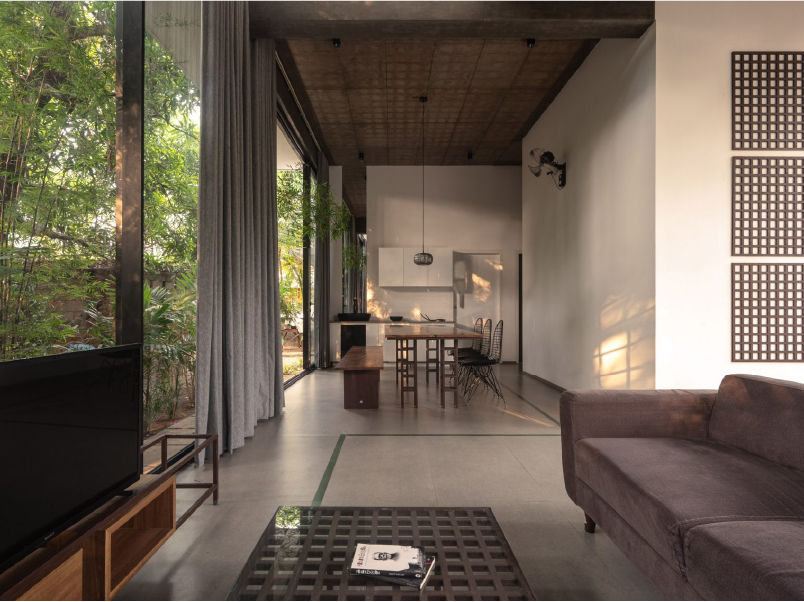
Final Reflection
Vastu is neither inherently good nor bad for modern design—it simply becomes limiting when followed without question. By marrying tradition with evidence-based tools and thoughtful client dialogue, architects can reclaim their creative power while still acknowledging cultural heritage.
For practitioners seeking balance, Kaarwan offers resources, guidance, and a supportive community, helping them craft architecture that is both deeply respectful and boldly original.




.png)