Vastu-Compliant Garden Layouts for Positive Energy
Creating a harmonious and balanced space is essential in any architectural endeavor, and when it comes to gardens, the principles of Vastu Shastra provide timeless wisdom. As an architecture enthusiast, I find the interplay between nature and architecture fascinating. Vastu-compliant garden layouts not only enhance the aesthetic appeal of a space but also channel positive energy into our surroundings.
Let’s dive into how we can design gardens using Vastu Shastra principles to craft serene outdoor spaces that inspire peace and positivity.
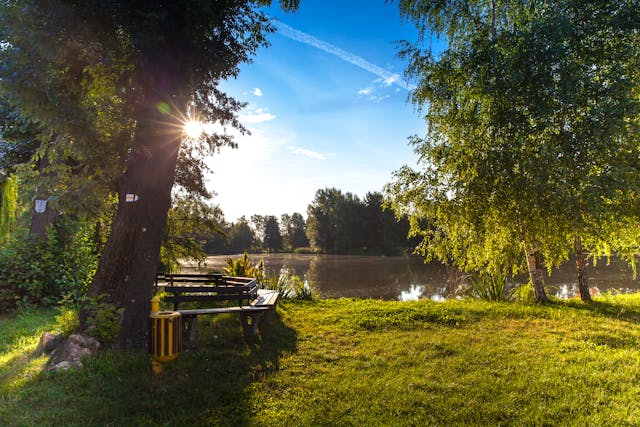
What is Vastu Shastra?
Vastu Shastra, an ancient Indian science of architecture, revolves around balancing natural elements to create spaces that promote health, happiness, and prosperity. This philosophy integrates the five elements – earth, water, fire, air, and space – and aligns them with cosmic energy to influence the flow of positivity in a space.
When applied to garden layouts, Vastu architecture ensures that the natural energy of plants, water features, and pathways is optimized for harmony and well-being.
Importance of a Vastu-Compliant Garden
Gardens are more than just recreational spaces; they are sanctuaries that bring us closer to nature. By aligning garden elements with Vastu principles, you can:
- Enhance well-being: Positive energy promotes mental and physical health.
- Improve aesthetics: Symmetry and balance appeal to our senses.
- Foster growth: Plants and trees thrive in harmonious layouts.
- Attract prosperity: Certain plants and structures are believed to invite wealth and happiness.
Key Principles of Vastu for Gardens
1. Choosing the Right Location
The placement of your garden is crucial in Vastu Shastra. Ideally:
- East or North: These directions are considered auspicious for gardens, as they receive the first rays of sunlight.
- Avoid Southwest: Heavy structures or dense plantations in this direction can block positive energy.
2. Placement of Water Features
Water bodies such as fountains or ponds are powerful sources of energy:
- Place them in the northeast corner to enhance wealth and tranquility.
- Ensure water flows towards the east or north, symbolizing the flow of prosperity.
3. Plant Selection and Positioning
Not all plants are Vastu-compliant. Here’s how you can choose and position them effectively:
- Sacred plants: Tulsi, neem, and peepal trees are highly auspicious.
- South or West: Larger trees should be planted here to act as wind barriers.
- East or North: Flowering plants and shrubs bring beauty and positivity.
- Avoid thorny plants: Cacti and similar plants can disrupt energy flow.
4. Pathways and Layouts
Pathways should be designed to encourage smooth energy flow:
- Opt for curved pathways instead of straight ones, which can create sharp energy.
- Use natural materials like stone or gravel to maintain a connection with the earth.
5. Lighting and Decoration
Proper lighting and decor enhance the Vastu balance:
- Install soft lights in the northeast for a calming effect.
- Use garden sculptures or deities but avoid placing them directly on the ground.
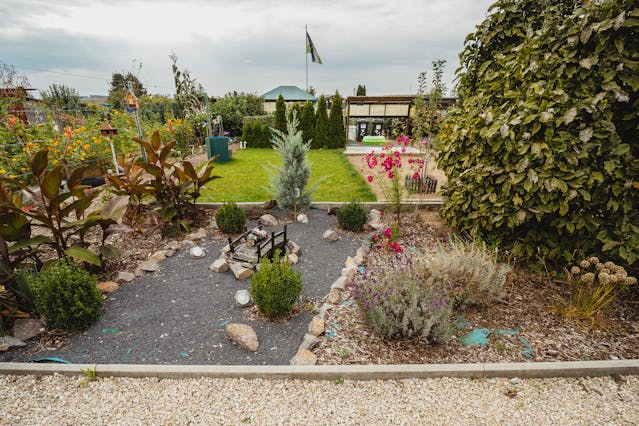
Step-by-Step Guide to Designing a Vastu-Compliant Garden
Step 1: Analyze the Plot
Before starting, understand the layout of your plot:
- Determine directions using a compass.
- Identify natural slopes, as water should ideally flow from southwest to northeast.
Step 2: Plan the Core Elements
Divide your garden into sections:
- Northeast: Water features, meditation zones, or tulsi plants.
- Southwest: Heavy trees or a small gazebo.
- Center: Keep it open and uncluttered for free energy flow.
Step 3: Incorporate Vastu-Friendly Plants
Choose plants based on their benefits and symbolism:
- Banana trees: Bring prosperity when placed in the east.
- Neem trees: Known for their purifying qualities.
- Tulsi plants: Planted in the northeast to invite positivity.
Step 4: Design Pathways
Pathways should connect all parts of the garden:
- Avoid creating dead ends.
- Ensure smooth curves for better energy circulation.
Step 5: Add Decorative Elements
Decorate with intention:
- Statues or sculptures: Place in the east or north but at a raised level.
- Lighting: Focus on soft, ambient lighting for a serene atmosphere.
Common Mistakes to Avoid
1. Ignoring Directions
Placing heavy structures in the northeast or water features in the southwest disrupts the energy balance.
2. Overcrowding the Garden
Overloading the garden with plants or decorations can block energy flow. Keep it minimal and balanced.
3. Using Artificial Materials
Avoid synthetic decorations or plants, as they hinder the natural essence of the garden.
Examples of Vastu-Compliant Garden Layouts
Example 1: Small Home Garden
- Northeast: A small pond with lotus flowers.
- Southwest: A mango tree for shade.
- East: A row of fragrant flowers like jasmine.
- Center: An open space with a grassy lawn.
Example 2: Large Commercial Garden
- Northeast: A grand fountain with a walking path.
- West: Dense trees forming a natural boundary.
- South: A seating area with pergolas.
- North: Flowering shrubs and seasonal plants.
Conclusion
Designing a Vastu-compliant garden is more than just arranging plants and pathways; it’s about creating a harmonious connection between nature and the built environment. By applying Vastu Shastra principles, we can craft gardens that resonate with positive energy and timeless beauty.
If you’re an architecture student or professional looking to deepen your understanding of Vastu architecture, explore our Advanced Course to enhance your skills and bring your designs to life.
Visit our website Kaarwan for more!
FAQs
1. What are the benefits of a Vastu-compliant garden?
A Vastu-compliant garden enhances well-being, promotes plant growth, and attracts prosperity by balancing natural energies.
2. Can I create a Vastu garden in a small space?
Yes, even small spaces can be designed using Vastu principles by focusing on plant placement, water features, and pathways.
3. Are artificial plants acceptable in a Vastu-compliant garden?
No, artificial plants disrupt the natural energy flow and should be avoided.
4. Which plants should I avoid in a Vastu garden?
Avoid thorny plants like cacti, as they can block positive energy.
5. Where can I learn more about Vastu architecture?
Check out Kaarwan.com for detailed courses on Vastu architecture and garden design.