Designing spaces where children can focus, learn, and thrive is no small task. As an architecture enthusiast or professional, I know you appreciate how deeply our surroundings affect us. One aspect that has fascinated me is how Vastu for children’s study rooms blends traditional wisdom with modern functionality. Let’s explore how to create harmonious and productive environments using the principles of Vastu architecture.
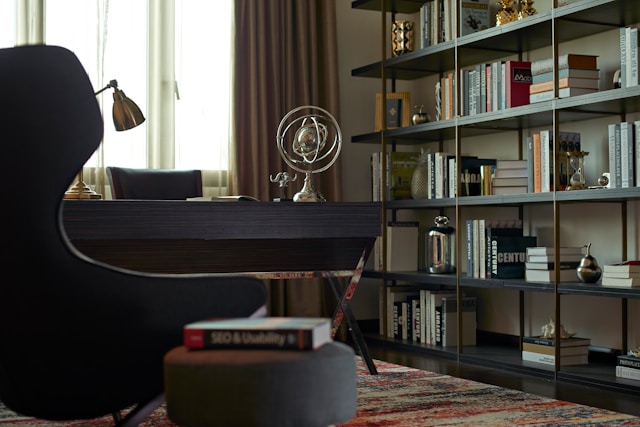
What is Vastu?
Vastu Shastra is an ancient Indian science of architecture that harmonizes physical spaces with nature’s energies. By following its guidelines, we can design environments that foster positivity, health, and productivity. For children’s rooms, applying Vastu ensures a space conducive to learning and development.
Why Vastu Matters in Study Rooms
A well-designed study room can:
- Enhance concentration and retention.
- Minimize distractions.
- Create a stress-free environment for children.
As someone studying or practicing architecture, you’ll find that Vastu principles align beautifully with contemporary design techniques, making it a skill worth mastering—perhaps even through a Vastu course to deepen your understanding.
Key Vastu Tips for Children’s Study Rooms
1. Location of the Study Room
The placement of the study room plays a crucial role in influencing a child’s focus and productivity.
- Best Direction: Northeast or East is ideal as these directions attract positive energy and promote clarity of thought.
- Avoid: Rooms in the South or Southwest corners, as these can create lethargy or a lack of motivation.
2. Study Table Placement
Where the study table is placed directly impacts how well a child can concentrate.
- Position the table so the child faces East or North while studying. These directions enhance learning and concentration.
- Ensure there is a solid wall behind the chair. This symbolizes stability and provides a sense of security.
- Avoid placing the table directly under a beam or in front of a window to reduce distractions.
3. Lighting and Ventilation
Good lighting and air circulation are essential for a Vastu-compliant study room.
- Use natural light whenever possible. Large windows in the East or North are ideal.
- Add a bright, focused desk lamp on the child’s left side if they’re right-handed (and vice versa).
- Ensure proper ventilation to keep the air fresh and the mind alert.
4. Colors for the Study Room
According to Vastu Shastra Colors play a vital role in influencing mood and focus.
- Recommended Colors: Light green, pale yellow, or cream promote calmness and concentration.
- Avoid: Dark shades like black or red, which can be too intense and create restlessness.
5. Storage and Organization
Clutter disrupts energy flow, according to Vastu principles.
- Bookshelves should be placed in the South or West, ensuring they don’t tower over the study table.
- Avoid open shelves directly above the study table, as they can create unnecessary pressure.
- Keep the room tidy and free of unnecessary items to allow positive energy to flow.
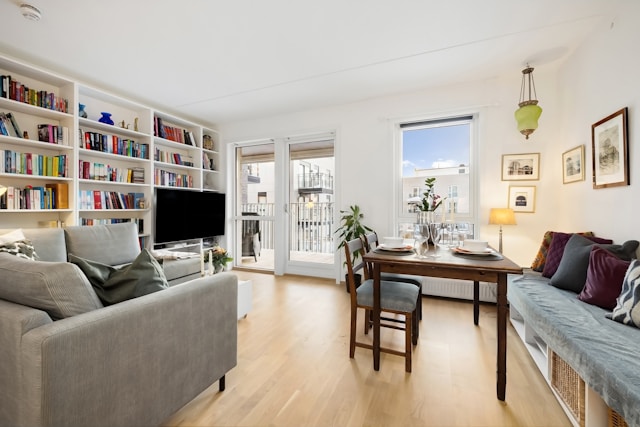
Advanced Vastu Tips for Optimal Learning
1. Decor and Accessories
- Hang motivational posters or artwork on the East wall to inspire the child.
- A globe or world map placed in the Northeast corner symbolizes knowledge and global awareness.
- Place a small green plant on the desk to improve air quality and create a calming atmosphere.
2. Electronics Placement
Electronic devices can interfere with focus and energy.
- Avoid placing computers or gadgets in the Northeast corner.
- Keep electronic devices to the South or Southwest, away from the child’s immediate workspace.
3. Shape and Size of Furniture
- Use rectangular or square study tables, as irregular shapes can lead to mental confusion.
- The table should be of appropriate height to ensure good posture.
4. Mirrors and Reflective Surfaces
- Avoid placing mirrors that reflect the study table, as they can create distractions.
5. Daily Practices for Energy Flow
- Encourage children to keep their workspace clean.
- Regularly declutter the room and discard items no longer needed.
- Open windows daily to let in fresh air and sunlight.
Balancing Modern Design with Vastu Principles
As architecture professionals, it’s fascinating to see how Vastu principles can be seamlessly integrated into modern design. By applying these guidelines, you’re not only creating functional spaces but also enhancing the lives of those who use them. If this inspires you, consider exploring a Vastu course to expand your expertise.
Conclusion
Designing a Vastu-compliant study room is more than just a nod to tradition—it’s about creating spaces where children can learn, grow, and thrive. Whether you’re designing a home or exploring new avenues in architecture, integrating Vastu for children’s study rooms is a skill worth mastering.
If you’re intrigued by the possibilities of Vastu, consider enrolling in Our Advanced Vastu course to deepen your understanding and enhance your architectural prowess.
Visit our website Kaarwan for more!
FAQs
1. Can Vastu principles be applied to small spaces?
Yes, even small study areas can benefit from Vastu. Focus on proper orientation, clutter-free organization, and light colors to create a positive environment.
2. Is natural light essential in a Vastu-compliant study room?
Absolutely! Natural light is a key component of Vastu. It not only brightens the room but also enhances mental clarity and energy levels.
3. What are some common mistakes to avoid in a study room?
- Facing the wrong direction while studying.
- Using dark, intense colors.
- Allowing clutter to accumulate.
4. Can I use Vastu tips for shared study spaces?
Yes, shared spaces can benefit from Vastu. Ensure each child’s area is clearly defined, and follow placement guidelines for furniture and decor.
5. How does Vastu align with modern architecture trends?
Vastu emphasizes harmony and energy flow, which align with sustainable and user-centric design principles in modern architecture.