When designing or selecting a high-rise apartment, understanding vastu design can make a significant difference in the harmony and well-being of its residents. As an architecture student or professional, integrating vastu compliance for high-rise apartments into your projects not only enhances the aesthetic and functional aspects but also aligns with traditional wisdom that many clients seek.
Understanding Vastu Shastra for High-Rise Apartments
Vastu Shastra, an ancient Indian architectural science, offers guidelines for designing spaces that harmonize with natural forces. While it is often applied to standalone houses, it is equally relevant for apartments in towering structures. A well-planned vastu-compliant apartment ensures positive energy flow, better health, and prosperity for its residents.
Key Vastu Guidelines for High-Rise Apartments
1. Ideal Apartment Entrance and Directions
- The northeast and east-facing entrances are considered the most auspicious for apartments.
- Avoid apartments with entrances in the southwest direction, as they are believed to bring instability.
- If a southwest entrance is unavoidable, placing a Vastu pyramid or installing a wooden threshold can help mitigate negative effects.
2. Floor Selection and Energy Flow
- According to Vastu compliance for high-rise apartments, lower floors are better for stability and grounding, while higher floors are good for a stress-free environment.
- Odd-numbered floors (1st, 3rd, 5th, etc.) are considered more favorable as per vastu principles.
- Apartments in the southeast or southwest corners of a building may have stronger energy fields, impacting residents' moods and health.
3. Apartment Layout and Room Placement
- Master Bedroom: Ideally located in the southwest corner to ensure stability and restful sleep.
- Kitchen: Best positioned in the southeast, the fire element’s direction, for prosperity.
- Living Room: Should be in the northeast or north for maximum positive energy.
- Balcony: If possible, opt for a north or east-facing balcony for better light and ventilation.
- Bathrooms: Must be placed in the northwest or southeast, but avoid the center of the apartment.
4. Windows and Ventilation for Vastu Compliance
- Ample natural light is crucial; ensure that larger windows are positioned towards the north and east.
- Cross-ventilation is essential for fresh energy flow, reducing negative accumulation in confined spaces.
- Avoid windows facing the southwest, as they may bring excessive heat and aggression into the space.
5. Vastu Colors for High-Rise Apartments
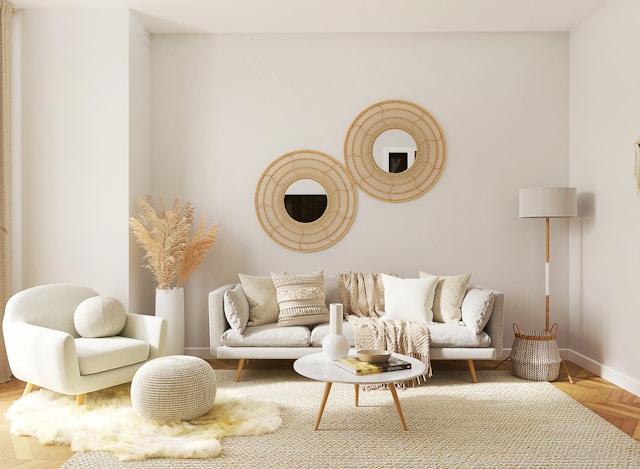
- Living Room: Light shades like white, cream, or soft pastels work best.
- Bedrooms: Earthy tones such as beige, light brown, or soothing blues enhance relaxation.
- Kitchen: Opt for red, orange, or yellow to complement the fire element.
- Bathroom: Stick to light blue or white to maintain a sense of cleanliness and peace.
Common Vastu Defects and Remedies
Sometimes, despite the best efforts, an apartment may have Vastu doshas (defects). Here are a few solutions:
- Incorrect Entrance: Place a vastu pyramid or a swastika symbol near the entrance.
- Bedroom in the Northeast: Use earthy-colored curtains and place a vastu yantra in the room.
- Kitchen in the Wrong Direction: Install a red lamp or paint a part of the kitchen in warm colors to balance energies.
- Toilet in the Northeast: Keep a bowl of rock salt and use green plants to neutralize negative energy.
Importance of Vastu in Apartment Design for Architects
For architecture students and professionals, incorporating vastu compliance for high-rise apartments is an excellent skill. Clients increasingly seek vastu-aligned properties, and having this knowledge can set you apart in your field. Many reputed institutions offer a vastu shastra course, helping architects integrate these principles effectively into modern designs.
Conclusion
Incorporating vastu design principles in high-rise apartments not only improves functionality but also ensures harmony and positivity in living spaces. Whether designing new projects or evaluating existing ones, keeping these tips in mind will help you create spaces that promote well-being.
If you're interested in mastering vastu principles, consider enrolling in an advanced vastu shastra course to enhance your architectural expertise.
Visit our website Kaarwan for more!
Frequently Asked Questions (FAQs)
1. Can Vastu principles be applied to all types of high-rise apartments? Yes, vastu can be adapted to any apartment, regardless of its floor or size, by focusing on key aspects like entrance direction, room placement, and energy balance.
2. What is the best floor to live on according to Vastu? Odd-numbered floors and apartments positioned in the northeast section of the building are considered most auspicious.
3. How can I correct Vastu defects in a high-rise apartment? Using vastu remedies like pyramids, yantras, mirrors, and appropriate colors can help neutralize negative energy.
4. Does Vastu compliance impact property value? Yes, vastu-compliant apartments tend to have a higher demand and resale value in markets where vastu is widely followed.
5. Should I take a Vastu course as an architecture student? Absolutely! A vastu shastra course can provide valuable insights that enhance your architectural knowledge and professional opportunities.