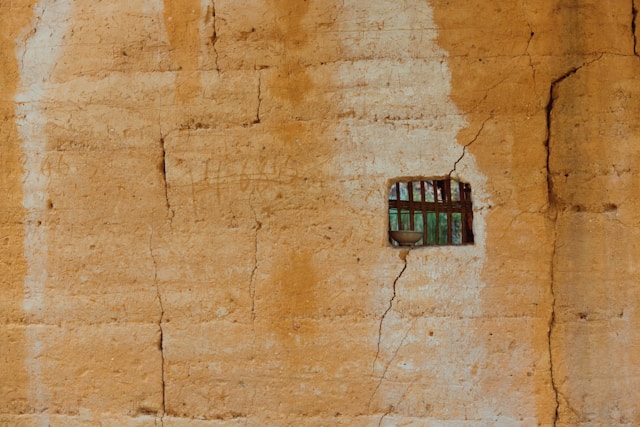
Introduction:
India’s vernacular architecture offers more than just structural wisdom—it’s a masterclass in materials, climate response, and artisanal craft. One of the most expressive aspects of this tradition is seen in its wall finishes—techniques passed down generations, rooted in regional identity and environmental practicality. From the mirrored mud motifs of Kutch to the smooth lime-polished surfaces of Goan homes, these finishes aren’t just decorative—they’re deeply functional and sustainable. In this blog, we explore five traditional wall finish techniques that define India’s regional architecture and why they still hold relevance today.
1. Mud Plaster:
Mud plaster is among the oldest and most earth-friendly wall finishes in Indian architecture. Made by mixing local soil with water, cow dung, and sometimes straw or husk, this natural plaster is widely used in tribal homes, particularly in Maharashtra’s Warli settlements. Its look and feel is rustic, matte, and earthy brown, offering a textured surface that blends with natural surroundings.
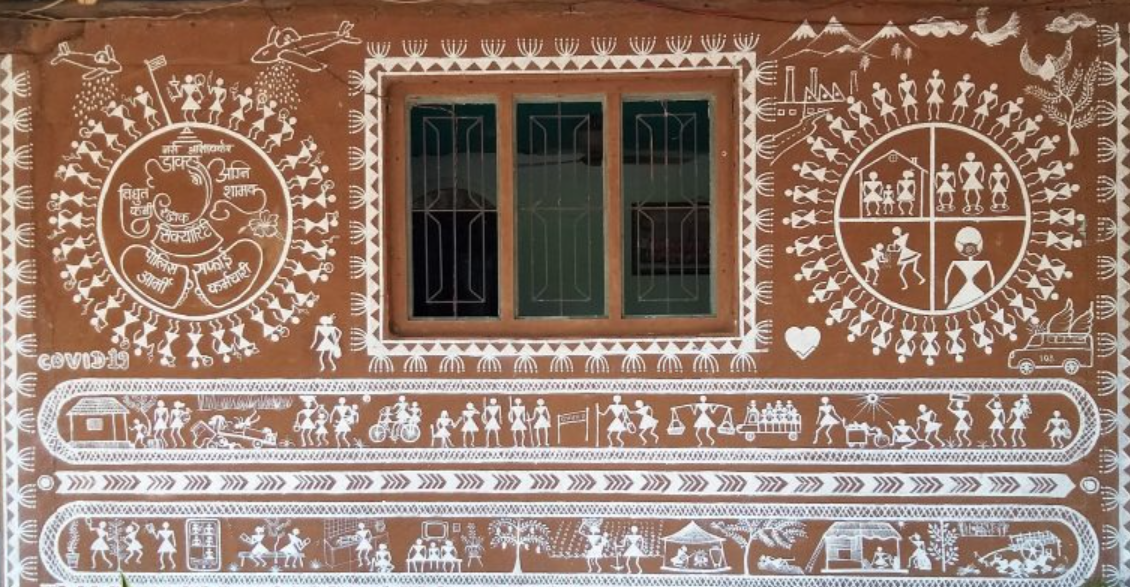
Image Credits: Savaari.com
What makes Warli homes iconic is that this plaster isn’t just structural—it becomes a canvas for the famous Warli art, where white rice-paste motifs of daily life are painted over the smooth mud walls. These walls also regulate internal temperatures exceptionally well, keeping interiors cool in hot, arid climates and warm in winters. Replastering is part of routine maintenance, contributing to a cyclical relationship between people and material.
2. Lime Plaster:
Lime plaster is a timeless wall finish known for its smooth surface, natural sheen, and antimicrobial properties. It’s made by combining lime with sand, water, and natural additives like jaggery, fenugreek seeds, or bael pulp, which enhance workability and durability. Once cured, it forms a slightly breathable yet waterproof surface, ideal for the humid Goan climate.
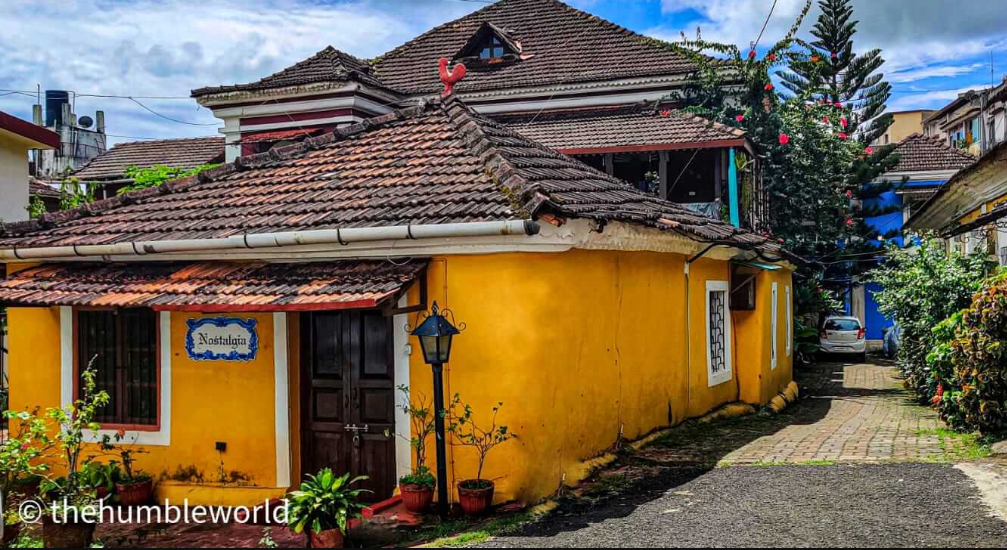
Image Credits: Thehumbleworld.com
In heritage Goan houses, lime-plastered walls are often painted over in vibrant hues, giving them their iconic colonial character. The versatility of this finish lies in its texture—it can be left rough for rustic appeal or polished for a more elegant interior look. The alkaline nature of lime also prevents fungal growth, making it a preferred choice in tropical zones. Its ability to age gracefully by developing a subtle patina adds to its charm.
3. Egg Wash Finish:
Egg wash finish is an artisanal lime-based technique found in Chettinad’s opulent heritage mansions. It’s created using a mixture of lime, egg whites, and other natural additives, which is hand-applied in layers and burnished to a rich, glossy finish. The eggs act as a natural binder, increasing both adhesion and surface luster.
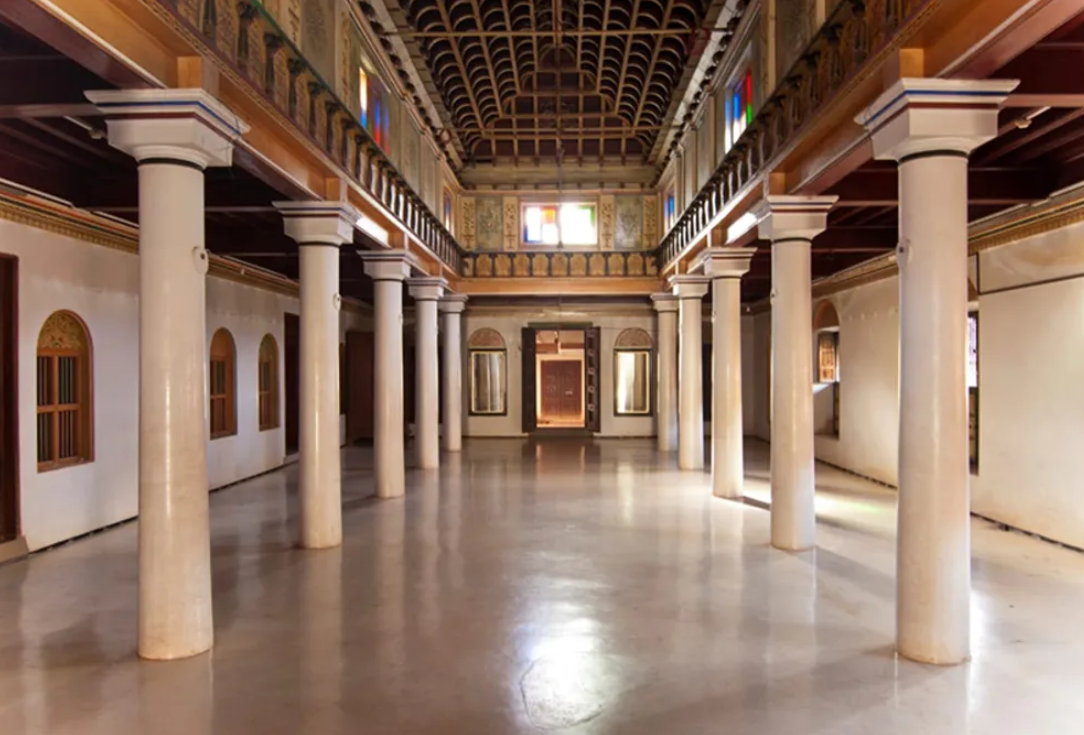
Image Credits: 30stades.com
This technique results in a marble-like shine and is typically used in interior spaces like courtyards, halls, or puja rooms. In the humid, hot plains of Tamil Nadu, the reflective surface of the egg-washed walls helps bounce light indoors while keeping interiors cooler. The finish was a symbol of affluence, often used to enhance architectural detailing and wall niches. It’s both a visual and tactile luxury, requiring skilled craftsmanship and patience.
Begin exploring your intrests with a Masterclass, quick skill test, or just a quick chat!
4. Lipan Kaam:
Lipan Kaam is a decorative wall art and finishing technique from Gujarat’s Kutch region, particularly in circular mud houses called bhungas. The wall surface is first coated with a mix of local white clay and camel dung, forming a slightly textured base. Before the plaster dries, small mirrors (abhla) are pressed into the surface in traditional floral or geometric patterns.
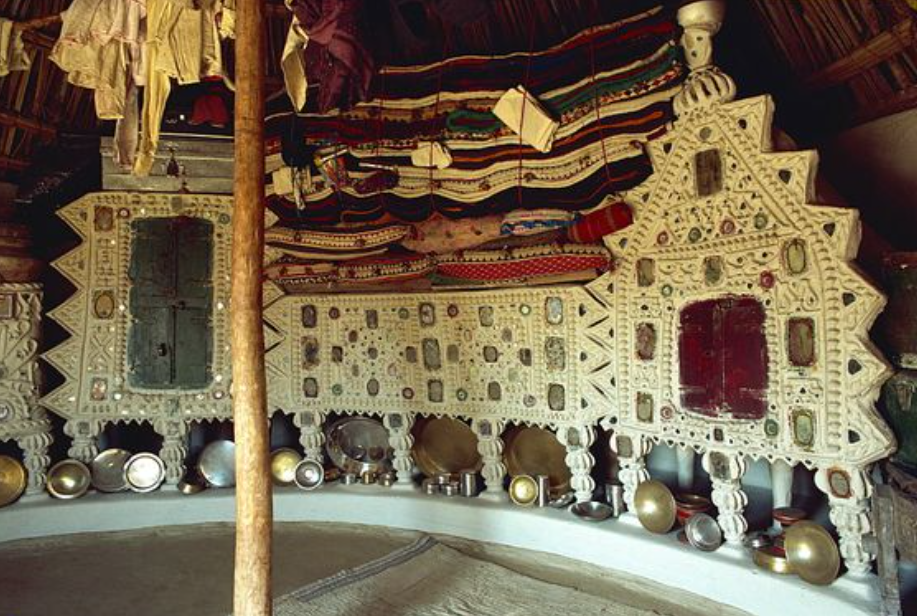
Image Credits: Thewhimsicalinteriors.com
What results is a radiant wall finish that sparkles in natural light, enhancing dim interiors while celebrating local identity. Lipan kaam is more than an ornament—it’s a fusion of insulation, waterproofing, and aesthetic. It reflects both cultural vibrancy and practical ingenuity, with the mirrored patterns helping to brighten dark homes and the mud plaster aiding in thermal regulation in the desert heat.
5. Araish Plaster:
Araish plaster is a royal wall finish technique seen in Rajasthan’s havelis and palaces, especially in cities like Jaipur and Udaipur. It’s made from lime, marble dust, and sometimes surkhi (brick powder). After application, the surface is polished repeatedly with a stone or wooden trowel, developing a shiny, marble-like surface that is both elegant and durable.
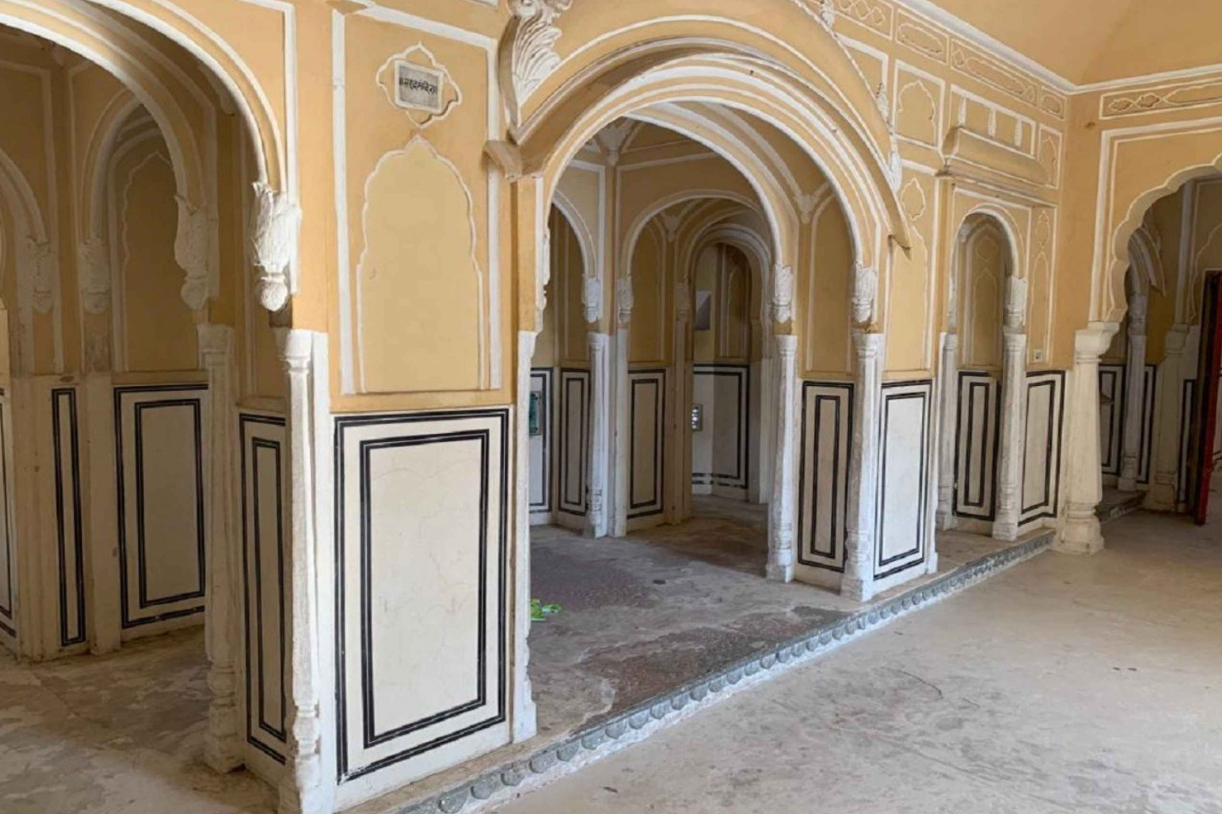
Image Credits: Myguiderajasthan.com
This finish was often painted over with intricate floral or geometric motifs, preserving a delicate balance of luxury and artistry. Araish is a climate-responsive material—it keeps interiors cool in Rajasthan’s scorching heat and resists dampness. Unlike polished marble, it allows for breathability, making it more suitable for heritage structures with thick masonry walls. Though rare today due to the skill and time it demands, Araish plaster is now being revived in boutique hotels and restoration projects.
Conclusion:
These traditional wall finishes are more than stylistic choices—they are culturally rooted, climate-adaptive, and material-conscious practices. As contemporary architecture pivots toward sustainability, reviving these time-tested techniques becomes both a design opportunity and an ecological responsibility. Whether it's the earthy tactility of mud or the luminous glow of Araish, these finishes offer architects a chance to connect deeply with region, history, and environment, while crafting spaces that are beautiful, breathable, and meaningful.