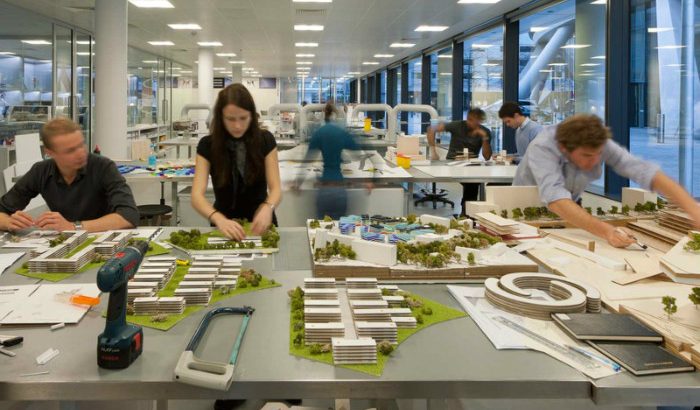
What Architecture Firms Look for Based on Your Software Skills
In today’s competitive architecture world, your software skills matter just as much as your design ideas. Firms don’t just want someone who knows software—they want someone who knows when and how to use it to solve real design and construction problems.
This blog breaks down what different software says about you as an architect—and what firms really expect when they see it on your resume or portfolio.
1. AutoCAD — Precision and Technical Clarity
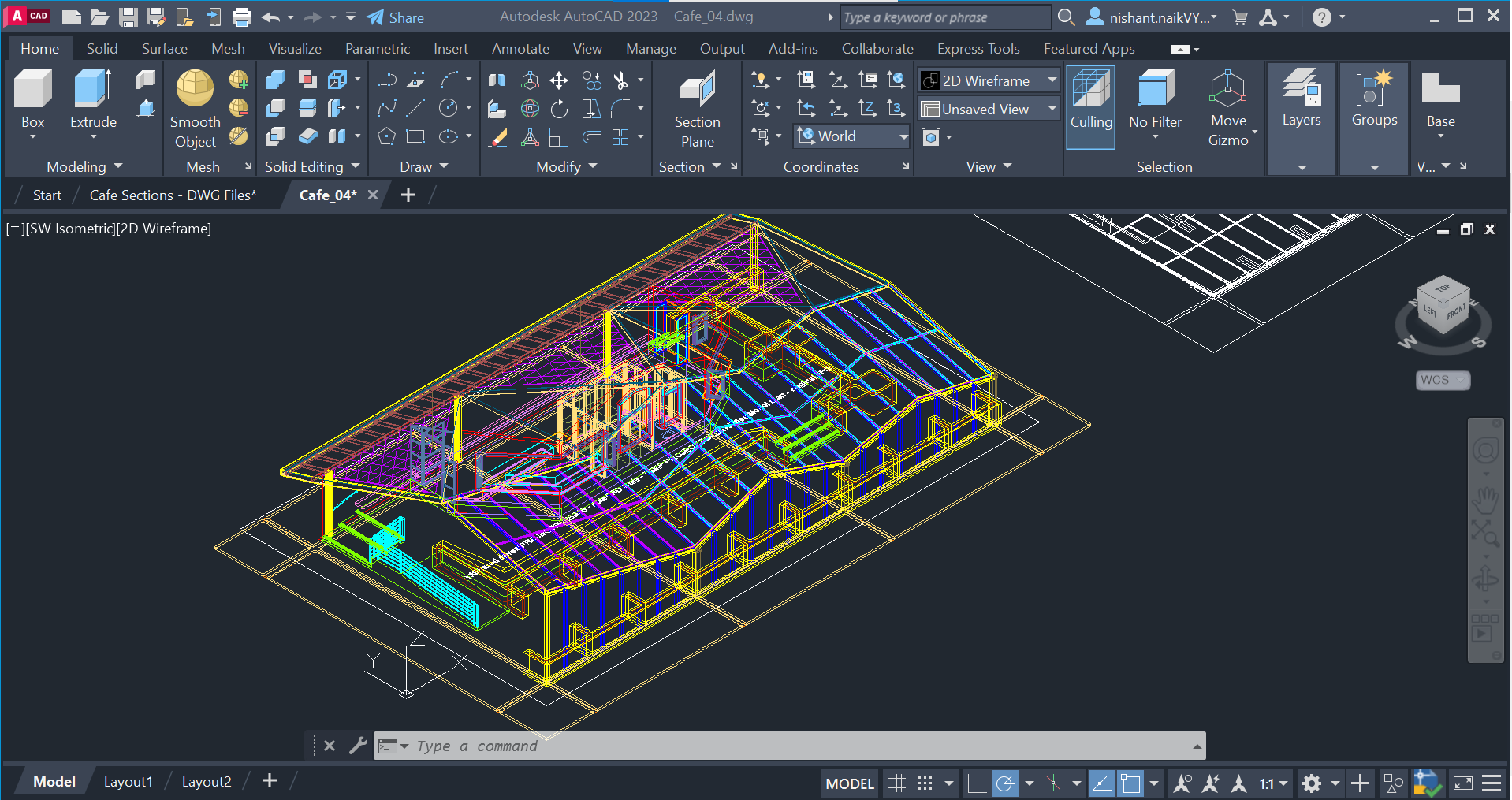
What Firms Expect from AutoCAD Users:
- Ability to produce clean 2D drawings with accurate dimensions.
- Understanding of working drawings, layers, lineweights, and construction standards.
- Quick drafting and revision skills under deadlines.
It Shows You Can:
- Work on execution drawings and site coordination.
- Communicate clearly with engineers and contractors.
- Follow office drawing standards and documentation protocols.
2. Revit (BIM) — Coordination and Practical Construction Understanding
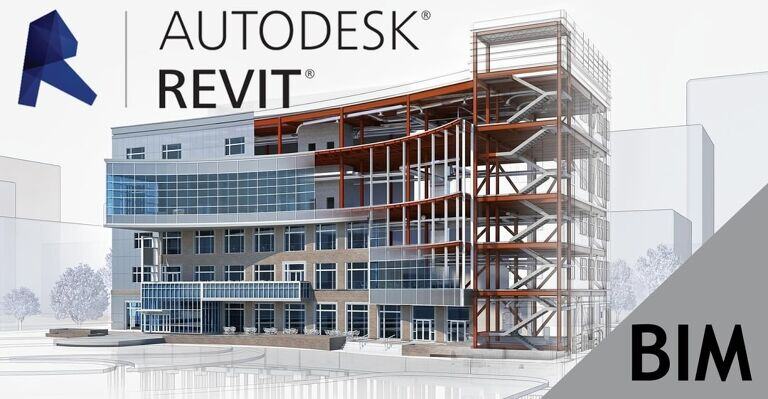
What Firms Expect from Revit Users:
- Ability to create BIM models with accurate details—walls, doors, schedules, levels, sheets.
- Knowledge of working in team-based Revit environments and managing worksets.
- Understanding of clash detection, BOQ, and real-time project updates.
It Shows You Can:
- Think in 3D, not just in drawings.
- Understand real construction systems—not just concept design.
- Work on large-scale projects that demand accuracy and interdisciplinary coordination.
3. SketchUp — Conceptual Thinking and Quick Visualization
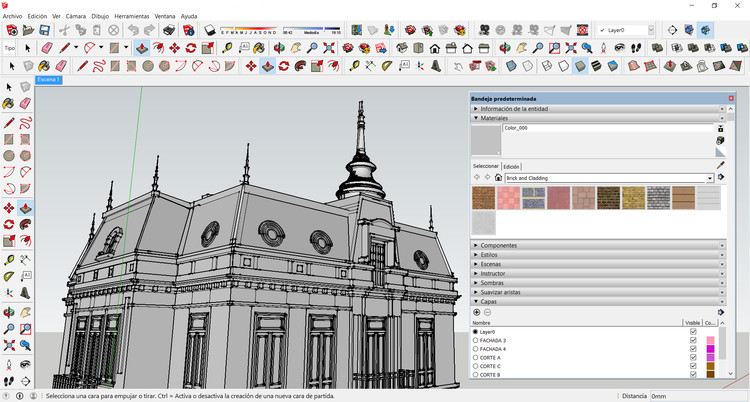
What Firms Expect from SketchUp Users:
- Ability to quickly convert ideas into 3D form.
- Clean massing models and design explorations.
- Use of plugins like V-Ray, Enscape, or Lumion for rendering.
It Shows You Can:
- Develop and present design ideas quickly.
- Work well in early-stage concept development.
- Communicate with non-technical clients through visuals.
4. Rhino + Grasshopper — Computational and Experimental Design Skills
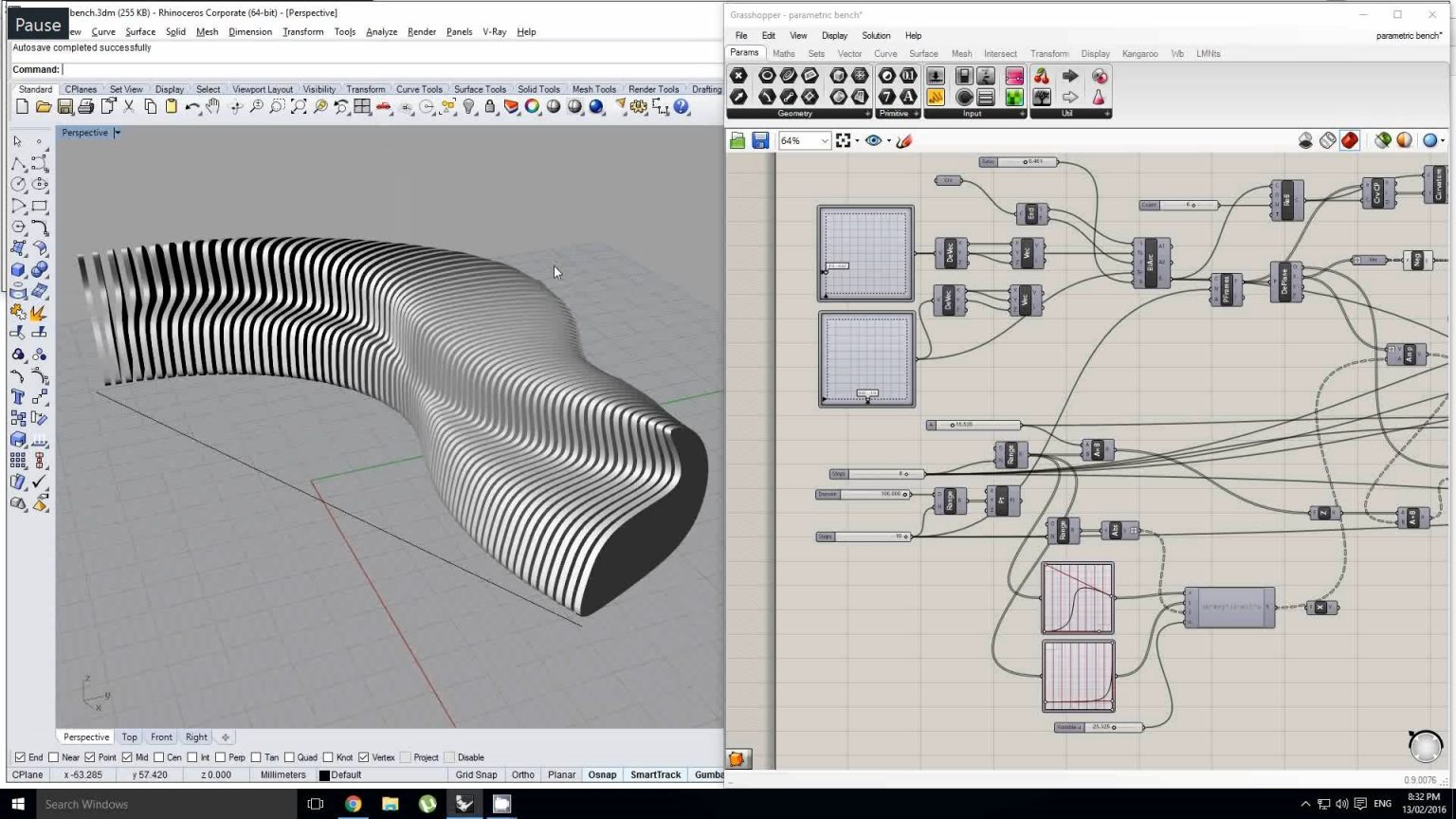
What Firms Expect from Rhino/Grasshopper Users:
- Ability to handle complex forms, free-flowing surfaces, and parametric logic.
- Understanding of scripts, algorithms, or data-driven design.
- Integration with fabrication, structure, or environmental analysis.
It Shows You Can:
- Think beyond box-shaped buildings.
- Innovate using computation, not just intuition.
- Work with firms focused on futuristic, experimental, or large-scale public projects (like Zaha Hadid Architects, BIG, MAD Architects).
What Firms Expect:
5. Lumion / Enscape / Twinmotion — Realistic Renders & Client Communication
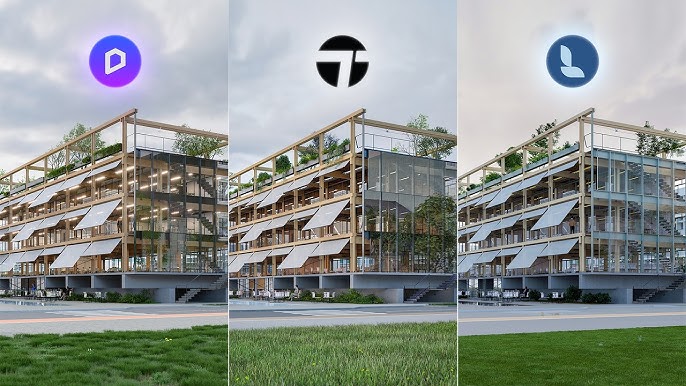
- Smooth walkthroughs, lighting, textures, and environment settings.
- Ability to create quick but aesthetically pleasing renderings and animations.
- Understanding of lighting, camera views, and storytelling.
It Shows You Can:
- Make clients understand and feel the design.
- Work on presentations, competitions, and concept pitches.
- Enhance mood and materiality using design visuals.
6. Photoshop & Illustrator — Presentation and Graphic Sense
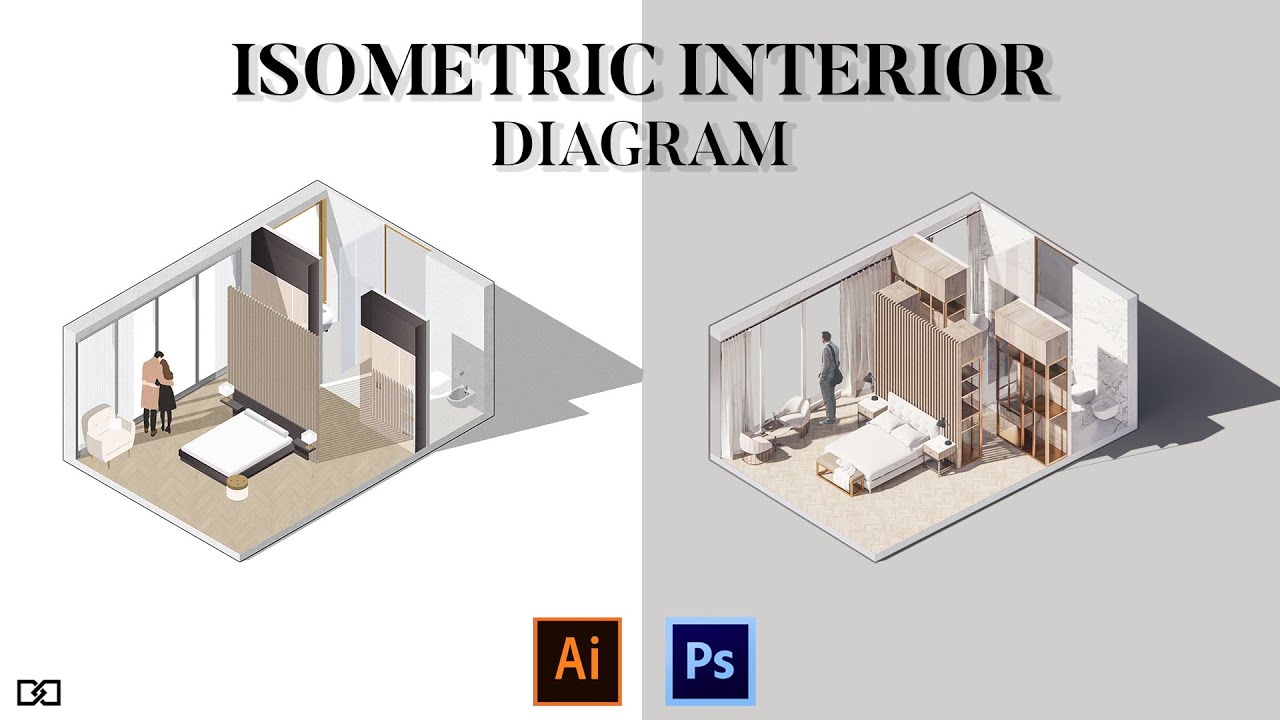
What Firms Expect from Adobe Users:
- Clean layout sheets, typography, diagrams, and concept visuals.
- Ability to create mood boards, exploded diagrams, shadows, and textures.
- Final presentation-ready drawings with consistency.
It Shows You Can:
- Translate raw models into visually strong presentations.
- Tell the story of your design with clarity and emotion.
- Work in competition teams, branding, and client-facing work.
7. V-Ray / Corona — Advanced Rendering for Photorealism

What Firms Expect:
- Knowledge of materials, lighting setup, and post-processing.
- Ability to render furniture, shadows, reflections, and realistic textures.
- Control over render settings and optimization.
It Shows You Can:
- Work with interior design firms and high-end visualization studios.
- Create visuals that help clients approve design faster.
- Pay attention to detail, scale, and atmosphere.
What Impresses Firms the Most?
| Skill Type | What It Tells the Firm About You |
|---|---|
| AutoCAD | You know construction basics and detailing |
| Revit/BIM | You can work on real buildings and collaborate in teams |
| Rhino + Grasshopper | You think computationally and experimentally |
| SketchUp | You can think fast, visualize ideas |
| Adobe Suite | You can present ideas professionally |
| Rendering Software | You understand design moods and client communication |
Final Tip — Don’t Just List Software, Show How You Use It
Firms prefer:✔ “Designed complete G+2 residence in Revit with schedules and BOQ”Not just: “Revit – Intermediate”
Show your process, not just tool names.