

What are Sandwich Wooden Panels?
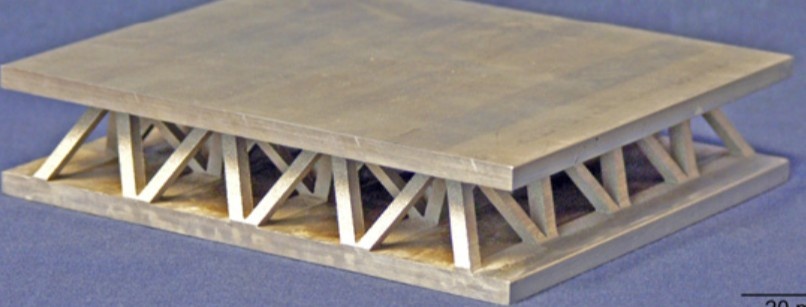
Sandwich wooden panels are composite elements made from two structural timber faces bonded to an inner core of insulating material. The timber faces provide stiffness, durability and an aesthetic timber finish; the core gives thermal resistance, and in some systems contributes structural shear capacity. They are produced in factory-controlled conditions and supplied to site as large panels or modules ready for rapid assembly.
.jpeg)
Image Source: Hand-drafted, Pragya Laungani
Typical cross-sections
Several cross-section types recur in practice:
- Timber face — rigid foam core: Solid timber (sawn or engineered) or engineered wood panels (plywood/OSB/CLT) sandwiching rigid insulation such as expanded polystyrene (EPS), polyisocyanurate (PIR) or polyurethane (PUR). Widely used in lightweight, highly insulated walls and roofs.
- Timber face — mineral wool core: Uses stone-wool or glass-wool for better fire and acoustic performance; commonly chosen where fire resistance or sound absorption is prioritised.
- Structural insulated panels (SIPs): Typically, OSB faces with a polyurethane foam core; high structural capacity and low air infiltration when joints are sealed.
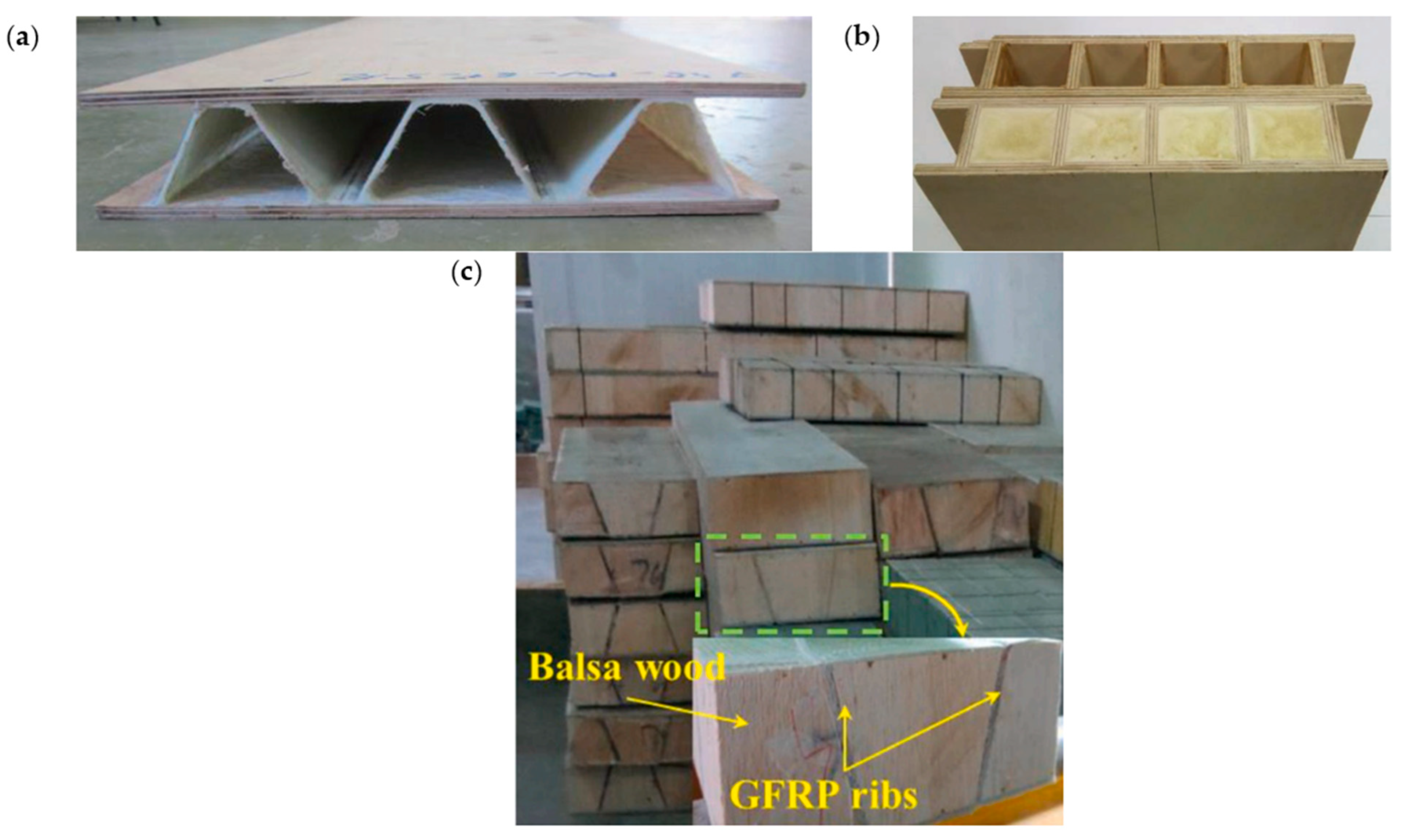
- CLT-faced sandwich: Cross-laminated timber skins with a foam or fibre core — used where a robust timber aesthetic and greater panel spans are required.
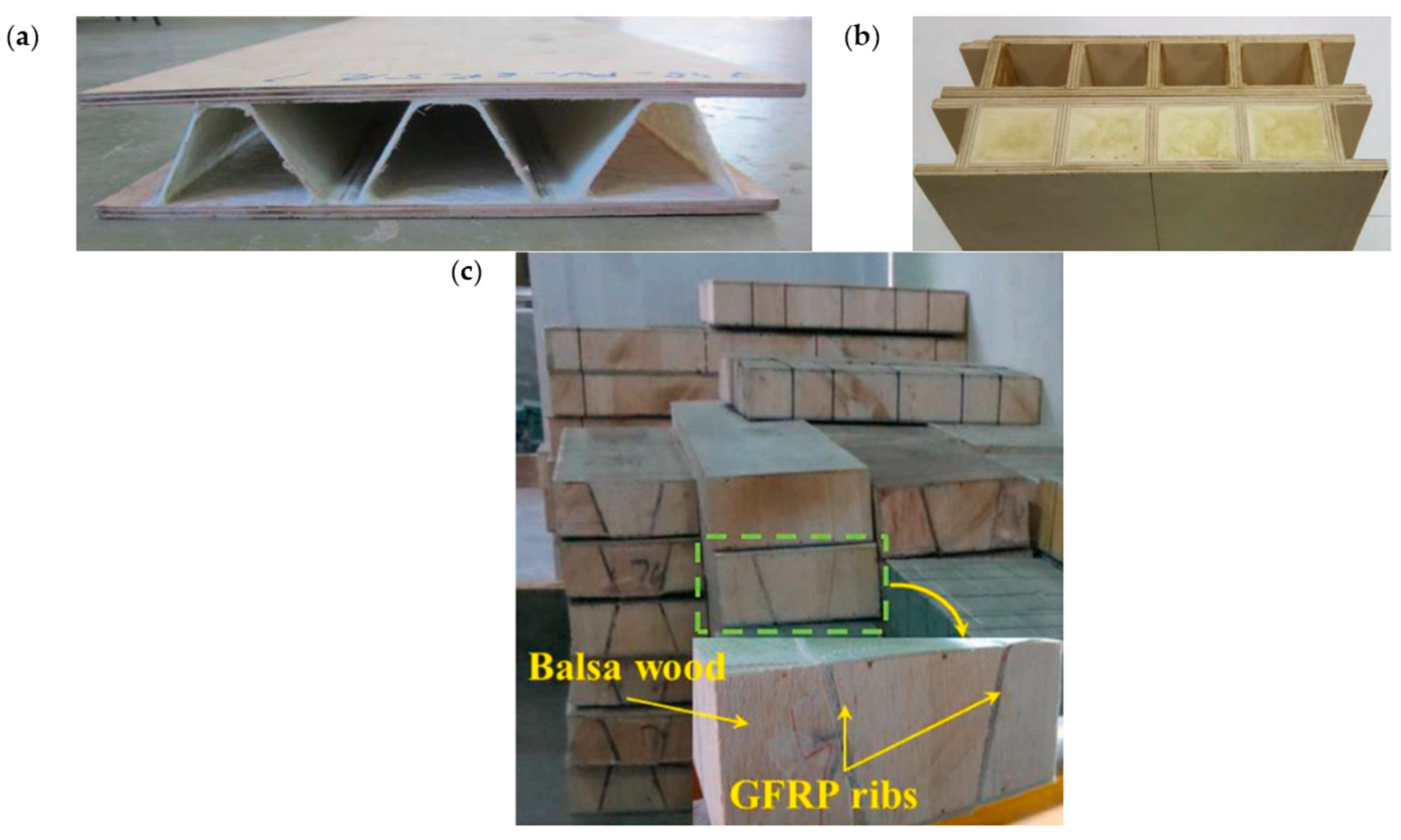
- Hybrid cores and honeycomb: Some bespoke systems use timber laminates with engineered cellular or honeycomb cores to optimise strength-to-weight.
Jointing and edge details vary — from tongue-and-groove and concealed splines to mechanical fixings with integrated gaskets — all influential in airtightness and thermal bridging performance.
Insulation: considerations and detailing
The choice of core material determines thermal performance, fire behaviour and moisture response. Rigid foams offer high R-value per millimetre, enabling slim sections for tight urban sites; mineral wool sacrifices thickness for better fire and vapour permeability. Whatever the core, correct detailing is essential:
- Vapour control and breathability: The panel system must be considered as a whole with vapour control layers, breathable membranes and appropriate cavity or external cladding to manage moisture.
- Airtight joints: Factory-cut panels simplify airtightness, but site joints, service penetrations and edge fixings must be carefully sealed to achieve promised U-values in practice.
- Thermal bridging: Fixings, splines and junctions to floors or openings must be designed to limit cold bridges — continuous external insulation or thermally broken connectors are common solutions.
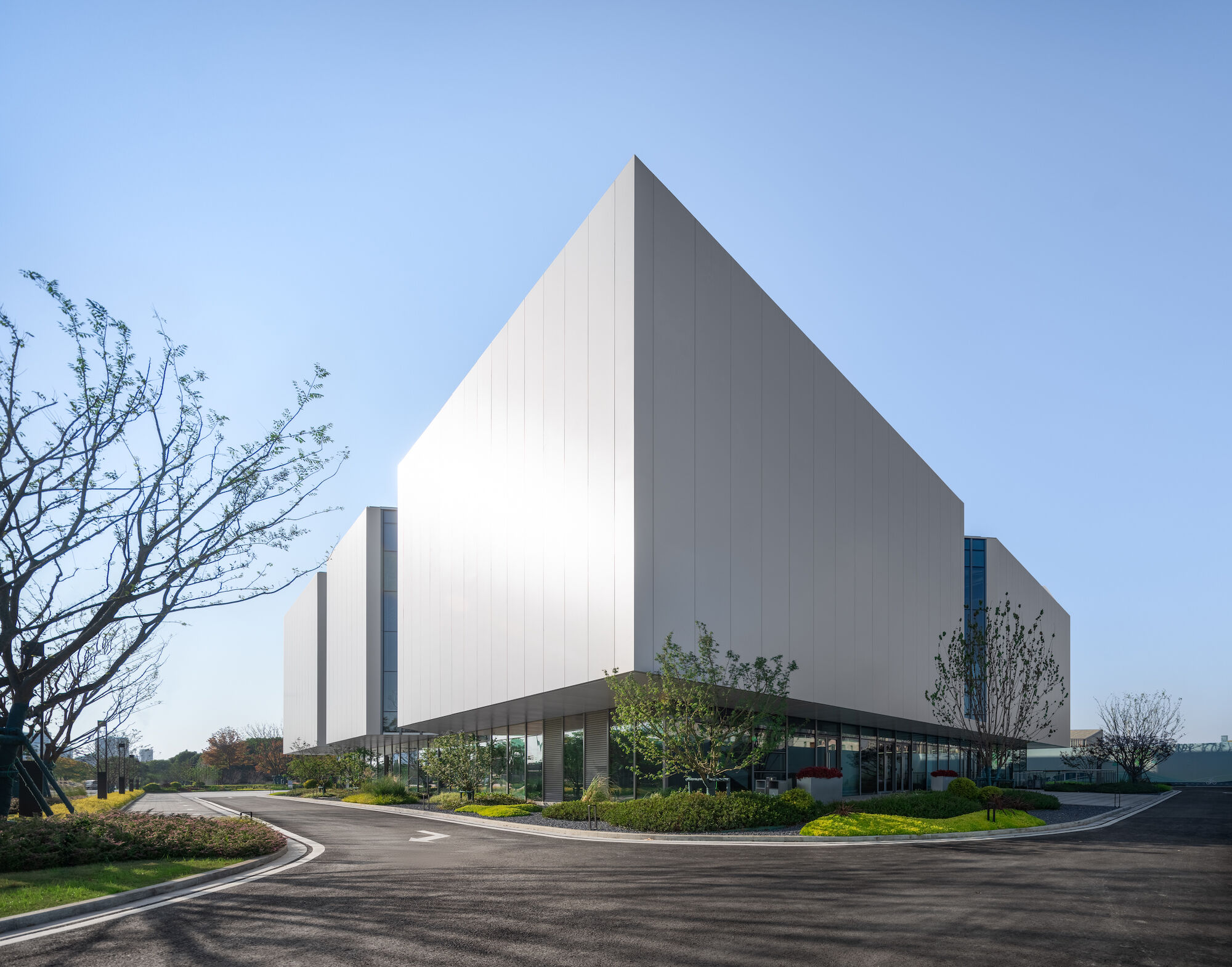
Image Source: archello, Low Carbon Technology Innovation Promotion Centre
Uses and applications
Sandwich wooden panels are found across a wide spectrum of projects:
- Residential and modular housing: Rapid assembly, low embodied energy of timber faces and good thermal performance make these panels natural for offsite housing and Passivhaus construction.
- Schools and community buildings: Speed of erection and predictable acoustic and thermal properties suit tight programme works for education and civic projects.
- Temporary and semi-permanent structures: Pop-up retail, event spaces and temporary classrooms benefit from the panels’ reusability and quick installability.
- Roof and façade systems: Panels can serve as insulated roof decks or as part of a rainscreen façade where timber is desired as the visible finish.
- Light industrial and storage: When combined with appropriate core materials and surface treatments, sandwich panels can be used in warehouses, cold stores or workshops.
Pros — why spec them
- Speed and quality control: Factory production reduces on-site labour and variation; panels arrive ready to fix, cutting programme time.
- Thermal efficiency: High-performance cores provide strong U-values with relatively thin sections when correctly detailed.
- Architectural warmth: Timber faces offer an immediately legible and attractive materiality, suiting regenerative and biophilic design aims.
- Lightweight and structural: Many systems combine structural capacity with low self-weight, reducing foundation loads and enabling modular construction.
- Sustainability potential: When sourced from responsibly managed forests and paired with low-impact cores, panels can contribute to reduced embodied carbon versus heavier masonry alternatives.
Cons — what to watch out for
- Fire performance: Timber faces and some foam cores can complicate fire strategy; selection of core type and protective cladding, plus sprinkler or compartmentation strategies, are often necessary.
- Moisture risk: Poor detailing at junctions or during storage/erection can lead to moisture ingress, swelling or reduced thermal performance; site handling is critical.
- Durability of finish: External timber faces require appropriate weathering strategies or protective cladding to avoid premature decay.
- Acoustic limitations: Thin panel assemblies may need additional mass or lining to meet stringent acoustic requirements, such as party walls or noisy adjacencies.
- Cost and supply: High-performance cores and bespoke panel sizes can add cost; reliance on prefabrication requires logistic planning.
Project Case Study Examples
- Residential Modular Homes (UK and Scandinavia): Timber sandwich panels with polyurethane cores are common in energy-efficient housing, enabling quick assembly and achieving U-values below 0.15 W/m²K.
- Educational Buildings: Projects across Northern Europe employ mineral wool–cored timber panels for fire resistance and sound insulation, reducing on-site time for schools and public structures.
- Pavilions and Temporary Structures: Timber-faced SIPs have been used in eco-pavilions and pop-up retail spaces for their lightweight, reusable properties.
- Cross-Laminated Timber Extensions: Hybrid CLT–foam sandwich systems are adopted in multi-storey extensions to provide additional insulated floor area with minimal weight addition.
Final Thoughts
Sandwich wooden panels represent a balance between modern insulation technology and natural materiality. When detailed correctly, they deliver high thermal performance, rapid assembly, and aesthetic appeal suitable for a wide range of building types. Their effectiveness depends on proper integration with design—particularly in moisture management, airtightness, and fire safety—making them a versatile solution for sustainable architecture.
FAQs
Are sandwich wood panels strong enough for structural envelopes?
Yes — the core type + panel system decides stiffness. Honeycomb + truss cores perform extremely high.
Do they require expensive fabrication?
Not necessarily. CNC + modular cutting is already widely available in India at accessible cost today.
Do they need heavy maintenance?
Engineered timber panels with proper treatment age gracefully and do not behave like raw softwood.
Where should students start exploring this more?
Begin with studying assembly drawings + core type differences + small modelling prototypes in studio.




.png)