Architecture is often viewed through the lens of technical drawings, construction codes, and studio critiques. But creativity doesn’t exist in a vacuum. When architects step outside their own field and learn from disciplines like culinary arts, music, and game design, the result is often a more imaginative, intuitive, and human-centred design approach.
This blog explores how learning architecture from non-architects can deepen your practice and unlock unexpected innovation.
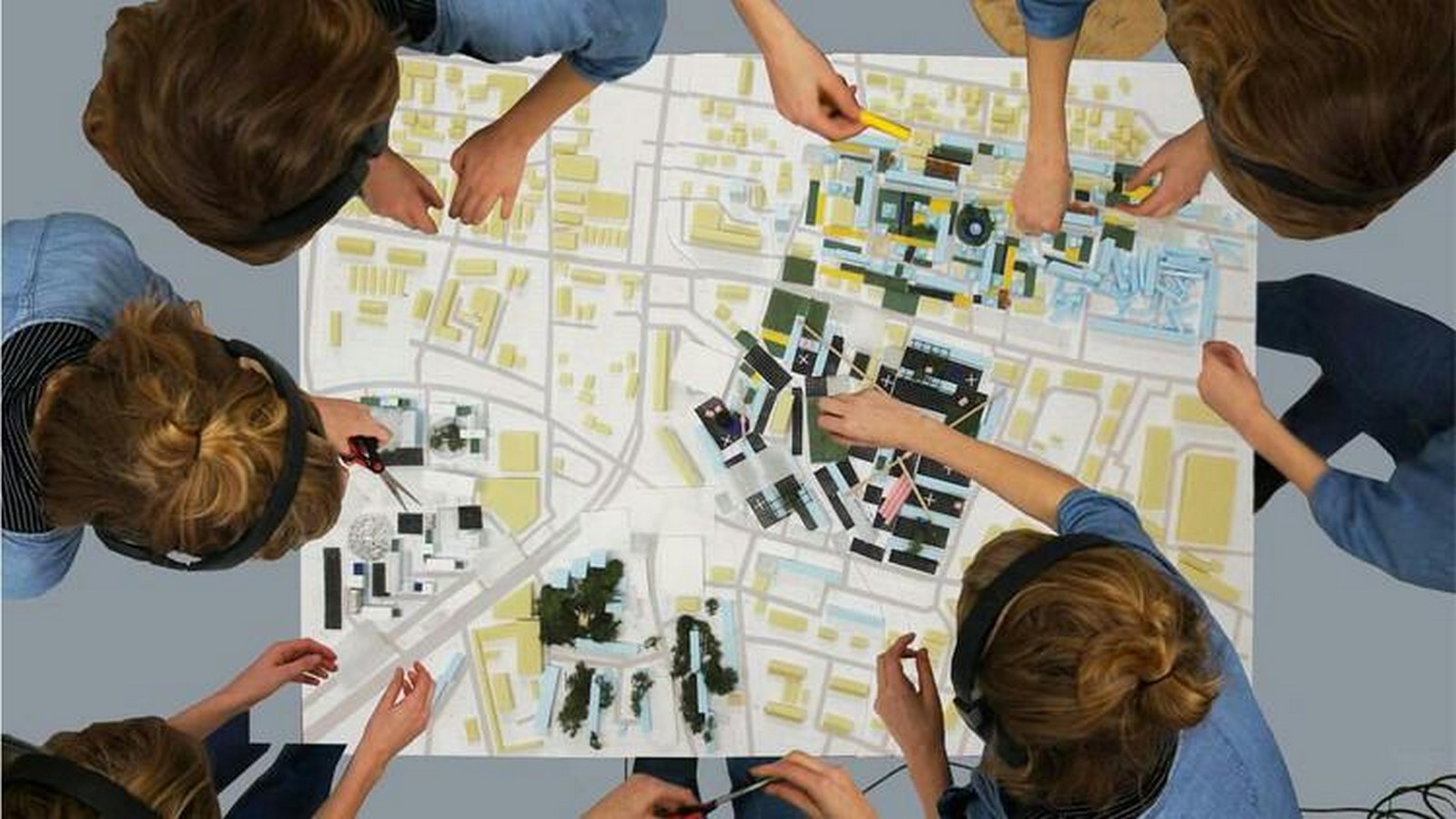
Image Credits - Rethinking the Future
Chefs: Designing for Sensory Experience and Flow
From plating to pacing, chefs know how to guide human behaviour through space and time.
The Kitchen as a Blueprint for Functional Design
Chefs don’t just cook; they choreograph experiences. The layout of a kitchen is a masterclass in efficiency, ergonomics, and movement. Think of the “kitchen triangle”—the optimal positioning of sink, stove, and fridge—which mirrors how architects plan movement flows in residential design. When applied to architecture, this logic teaches us to prioritise spatial function, not just form.
Multisensory Design Lessons
A well-executed dish appeals to taste, smell, sight, and even sound. Architects, too, must design for the full sensory spectrum. Soundscaping in libraries, tactile surfaces in public parks, or aromatic plantings in urban courtyards—these are ways architects can engage users beyond the visual. Chefs show us how to layer experiences thoughtfully.
Designing with Emotion
Chefs aim to provoke emotion—nostalgia, surprise, comfort. In architecture, emotional storytelling through spatial design is often overlooked. Yet, spaces that resonate emotionally stay memorable. Taking cues from the culinary world can help architects infuse their work with narrative depth.
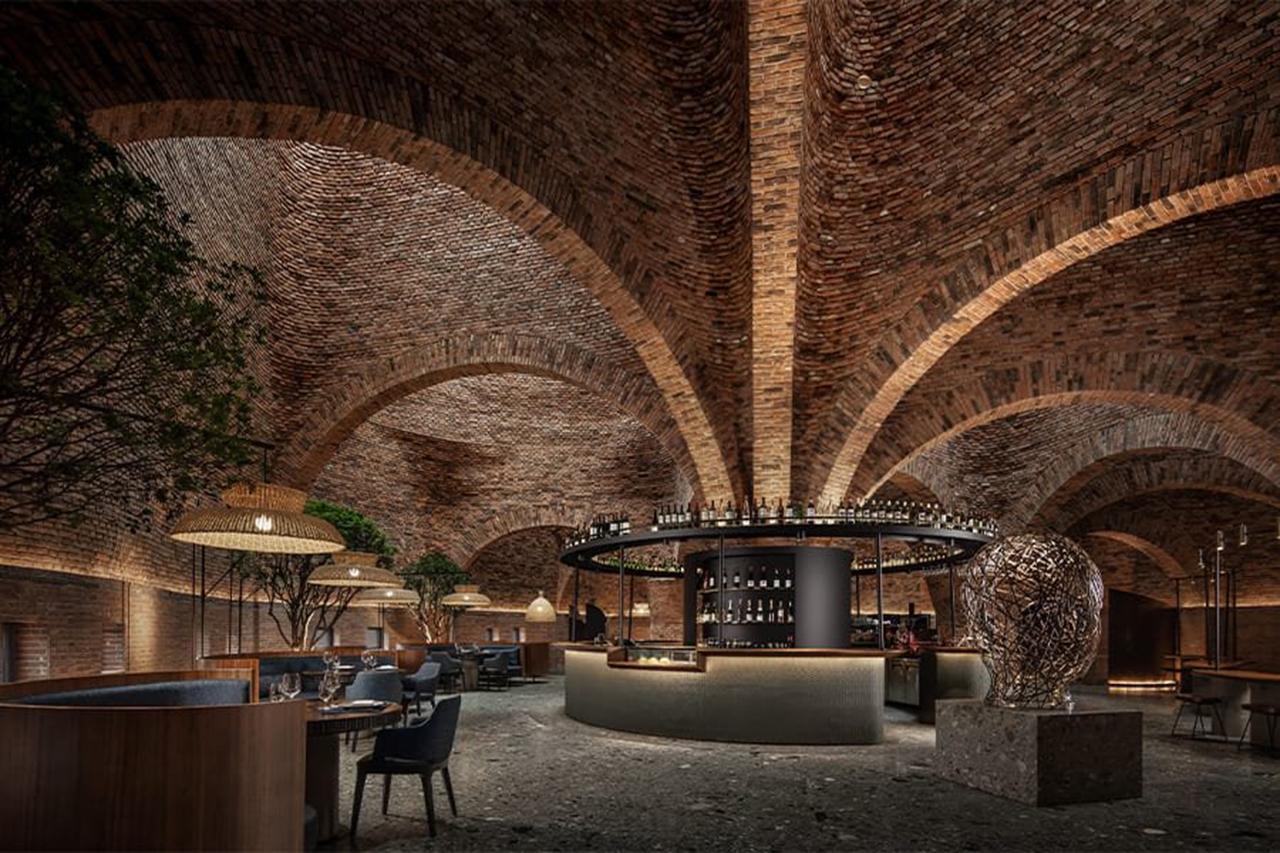
Image Credits - The Design Gesture
Musicians: Rhythm, Harmony, and the Architecture of Time
Music and architecture are both structured forms—one in time, the other in space. Yet their logic often overlaps.
Rhythm in Spatial Design
Rhythm in music is about repetition, variation, and pauses. Similarly, architectural rhythm involves the repetition of structural elements like columns, windows, or lighting. Think of the undulating forms of the Sydney Opera House—they mirror the crescendos and silences of a symphony.
Understanding musical rhythm can help architects create spatial pacing that feels intuitive—inviting pauses, transitions, and climaxes in how people move through a building.
Harmony and Material Palettes
Just as musicians harmonise chords to evoke mood, architects harmonise materials, light, and textures. A balanced composition is key. For instance, mixing concrete with warm wood and soft lighting can evoke calm and clarity. This harmonic thinking is central to both music and architecture, teaching designers to find equilibrium in contrast.
Improvisation as Design Process
Jazz musicians improvise within rules—scales, keys, and rhythm. Similarly, architects operate within constraints: zoning laws, client briefs, and budgets. Learning to improvise creatively within these frameworks can lead to more agile and adaptive designs. Musicians teach architects that flexibility doesn’t mean chaos; it can be a tool for mastery.
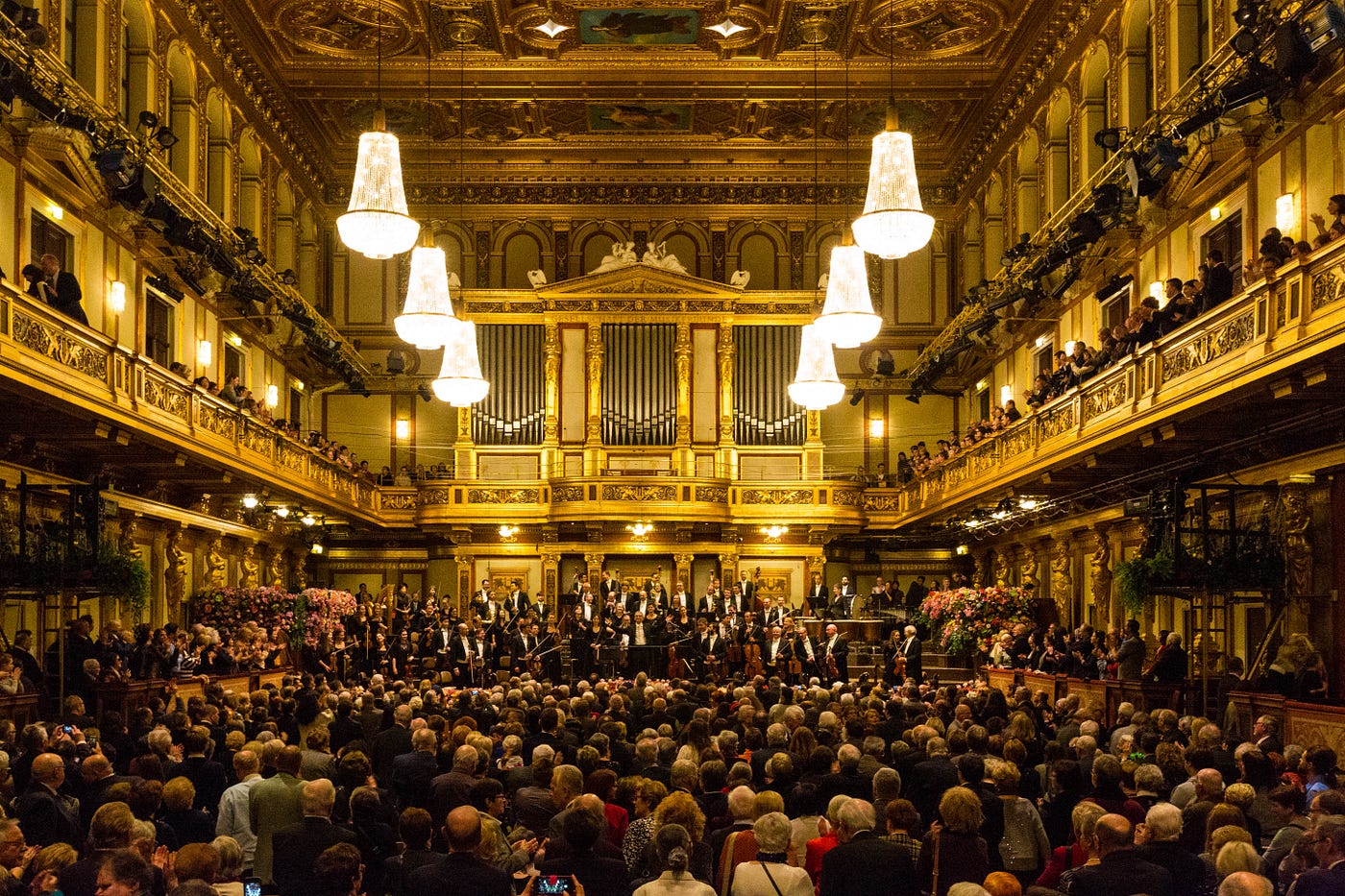
Image Credits - Medium
Game Designers: Interactivity, Engagement, and User-Centred Thinking
If architecture is about how people inhabit space, game design is about how people play with it.
Designing for User Interaction
Game designers are obsessed with user experience. They map player journeys, create challenges, and reward exploration. Architects can learn to adopt a similar mindset by thinking through how users will enter, navigate, and interact with spaces. A campus, for example, can be designed like an open-world game, inviting curiosity and offering layers of interaction.
Storytelling Through Space
In games, environments often tell a story. A broken robot in a corner might hint at past conflict; a sunlit corridor could symbolise hope. Architects can use this narrative technique to guide emotional responses within built environments—using scale, light, materials, and layout to narrate.
Iterative Prototyping and Playtesting
Game designers iterate constantly, using feedback to refine the experience. Architects, too, benefit from early testing via models, VR simulations, or user walk-throughs. Game design reminds us that buildings are not static sculptures, but dynamic, lived experiences that benefit from continuous refinement.
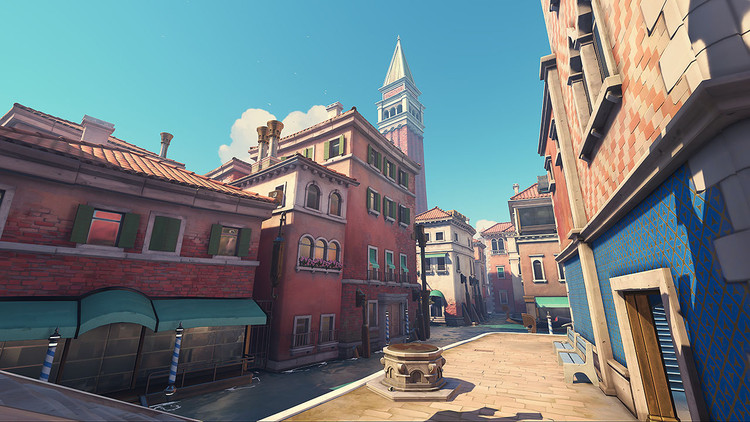
Image Credits - ArchDaily
Where These Worlds Meet: A Call for Cross-Pollination
These disciplines—cooking, music, and game design—may seem worlds apart from architecture. But each one offers unique perspectives that architects can adopt to make their work more intuitive, responsive, and impactful. Cross-pollination isn’t about abandoning core principles; it’s about expanding your design vocabulary.
Learning Beyond the Studio: Practical Tips
Attend Events Outside Architecture
Visit a cooking class, attend a jazz performance, or join a game jam. Immersing yourself in other creative worlds reshapes how you see spatial challenges.
Read Widely
Books like The Art of Game Design by Jesse Schell or The Language of Food by Dan Jurafsky can broaden your conceptual frameworks.
Collaborate with Non-Architects
Design projects with musicians, chefs, or tech creatives. Their input will challenge your assumptions and fuel richer outcomes.
What you'll learn:
- Learn from industry experts and master practitioners.
- Engage in hands-on, project-based learning experiences.
- Connect with a vibrant community of creatives and professionals.
- Receive a certificate to boost your portfolio and credentials.
Conclusion: Architects as Interdisciplinary Thinkers
The future of architecture lies in empathy, adaptability, and cross-disciplinary wisdom. By stepping into the shoes of a chef, listening like a musician, and designing like a game creator, architects can develop spaces that are not just functional or aesthetic, but alive—experiences that surprise, engage, and move people.
So the next time you're stuck on a design, step away from the drafting table. Cook a meal. Play a tune. Or dive into a virtual world. Because inspiration doesn’t just live in the studio—it lives in every human experience.
Unlock more creative perspectives in architecture—follow our blog at Kaarwan for weekly insights on interdisciplinary design, architectural innovation, and real-world learning from industry experts.
FAQs
1. Why should architects study disciplines like music or cooking?
These disciplines offer unique ways of thinking about space, emotion, and user experience. They help architects approach design with fresh perspectives and deeper empathy.
2. How can game design influence architectural practice?
Game design teaches user-centred thinking, interactive planning, and narrative structuring—all of which can be translated into architectural design to make spaces more engaging.
3. What is a good example of sensory architecture inspired by culinary design?
Restaurants and wellness spaces often draw from culinary design principles by engaging multiple senses through lighting, material textures, aroma, and spatial flow.
4. Can architecture students benefit from attending non-architectural workshops?
Absolutely. Exposure to different creative processes enhances critical thinking, innovation, and adaptability—core skills for any designer.
5. How do musicians inspire better spatial design?
Musicians teach rhythm, harmony, and emotional modulation—all essential in shaping how people experience movement, light, and energy in a space.