

What Kind of Architect Do You Want to Be?
Purpose-Driven Career Paths for Architects Who Want to Change the World
When you think of architecture, do you think beyond buildings?
Do you dream of saving forests, building with mud, protecting animals, reviving lost heritage, or designing spaces that truly care for the planet and its people?
If yes, this blog is for you.
Not every architect dreams of glass towers. Some of us are here for something bigger. If you're someone who asks “What problem do I want to solve?” before asking “What firm should I join?”, you’re already on the path of a visionary designer.
Let’s explore a few powerful visions and the career paths that can help you make them real.
1. “I want to protect wildlife and design for animals, too.”
Urban sprawl is squeezing out nature. Animals are losing habitats, and cities often treat wildlife as a nuisance.
But what if cities could coexist with animals?
Problem:
- Roads cutting through forests with no animal crossings
- Urban parks without pollinator-friendly plants
- Zero design consideration for birds, bees, or stray dogs
What architects can do:
- Design wildlife corridors and bridges
- Plan urban parks with native biodiversity
- Collaborate on animal shelter design and dog-friendly cities
People and Pathways to Connect With:
One can connect with Ecologists, wildlife biologists, urban planners, forest departments, and NGOs personally or via workshops and meets. Also, learning formally or curiously about ecological landscape design, permaculture, or urban ecology, like similar subjects, can be a great starting point for the long run. Then, volunteering for projects with forest departments, NGOs, city/state planners, and ecologists can help be your starting point. Your work has the potential to influence entire ecosystems positively.
_1748227874402.png)
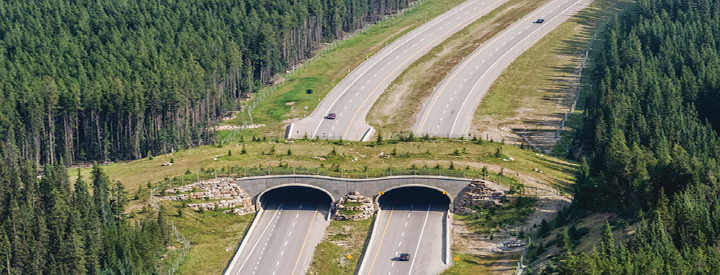
One such built example is Banff Wildlife Crossings, Canada, designed to reduce animal-vehicle collisions. This series of vegetated overpasses and underpasses has restored migration routes for bears, wolves, and elk. While in India, the proposed wildlife overpasses on the Delhi–Mumbai expressway are a step toward this thinking.
2. “I want to build sustainably—with earth, not concrete.”
Tired of concrete jungles and glass facades? Earth has been used to build for thousands of years—and it’s making a powerful comeback.
Problem:
- Energy-hungry materials like cement and steel dominate
- Cities are losing their cultural and thermal identity
- Climate change calls for low-impact construction
What architects can do:
- Master mud, lime, bamboo, and other natural materials
- Design homes that breathe, not bake
- Promote passive design that reduces energy usage
People and Pathways to Connect With:
Professionals interested can connect with NGOs, educational institutions researching materials, or firms like Maheemaya, Mahija, and Tiny Farms Lab that are researching similar subjects, along with material scientists and masons who specialise in working with lime, mud, and traditional practices. Several firms in India, both established and emerging, are training new masons, leveraging their muscle memory to revive this craft.
Additionally, consider exploring the works of architects like Laurie Baker and reading literature by Christopher Day to start your journey into Natural Building, Climate-Responsive Design, or Earth Architecture. These avenues provide more than just technical know-how; they encourage you to engage with materials, think practically, and design with care for both people and the environment.
-(1)-(1)-(1)-(1)_1748232173723.png)
Kaarwan Travel Adventures
You can also stay connected with Kaarwan’s travel workshops and join us on an adventure that resonates with you. We believe in learning from remote cultures and traditional practices while contributing meaningfully with the skills and knowledge we carry.
Many of our journeys bring together architects and AEC professionals from diverse fields and age groups—individuals who are open to learning, sharing, and building meaningful connections. That’s how Kaarwan began, and we continue to enjoy creating experiences—whether through in-person workshops or our growing digital community—where professionals can come together to grow, both personally and professionally.
3. “I want to save history, not replace it.”
Heritage buildings tell stories. But many are bulldozed in the name of development. Some architects choose instead to restore, reuse, and retell.
Problem:
- Demolition of culturally valuable structures
- Lack of adaptive reuse strategies
- Loss of traditional knowledge systems
What architects can do:
- Restore and adapt vernacular or colonial-era buildings
- Document and protect intangible heritage
- Combine new needs with old soul
People and Pathways to Connect With:
If you find meaning in stories etched into old walls, consider exploring career growth as a Conservation Architect, Heritage Consultant, or Adaptive Reuse Specialist or subjects like Heritage management, or connect with archaeologists, historians and visit local communities.
One can look up organisations like INTACH, on UNESCO heritage projects, or private restoration studios committed to reviving historical spaces with care. This will give you a peek into how architects work alongside craftspeople, historians, urban researchers, and government bodies, bringing together different lenses to protect and reimagine heritage meaningfully. Additionally, explore the work of pioneering architects like Abha Narain Lambah and Vikram Lall, and dive into case studies on adaptive reuse and conservation practices across India and beyond.
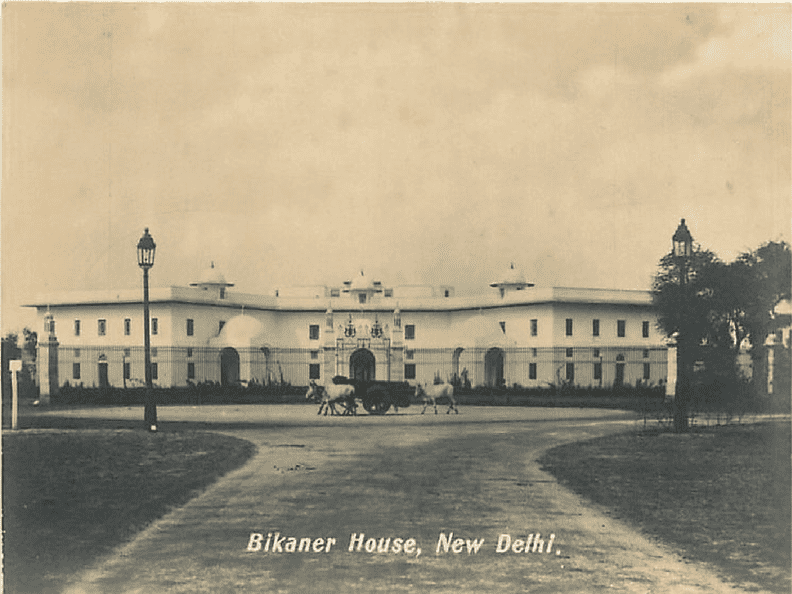
Source: TuckDB Ephemera
Once abandoned, this colonial-era bungalow, Bikaner House in Delhi, was thoughtfully transformed into a cultural venue by architect Abha Narain Lambah. Today, it hosts exhibitions, dialogues, and events, offering a living example of how heritage can be carefully preserved, while adaptive interventions allow the space to serve a new public purpose.
4. “I want to design for nature to thrive in every community.”
Green spaces should not be a luxury. Yet, most communities are designed with vehicles in mind—not trees or humans.
Problem:
- Cities lack shade, biodiversity, or walkable green corridors
- Poor water management = floods and dry spells
- Gardens are ornamental, not functional
What architects can do:
- Plan fruit tree-lined streets and urban farming zones
- Design rain gardens, bioswales, and kitchen gardens
- Enable green equity in housing societies and urban slums
People and Pathways to Connect With:
One can explore careers in urban ecological design, community farming, or climate-responsive landscaping or connect with professionals or teachers in this field to understand to make informed and clear choices. Even connecting with local panchayats or school-led gardening efforts can open doors to real, grounded work.
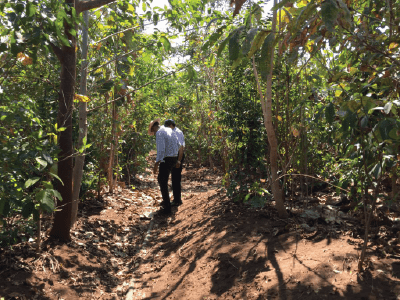
Source: Afforestt
Take inspiration from initiatives like the Miyawaki Forest Movement. In India, firms like Afforestt, founded by Shubhendu Sharma, are helping cities breathe again, reviving small land pockets by planting dense native forests. These spaces grow fast, become self-sustaining within a few years, and begin to cool their surroundings while inviting birds, bees, and butterflies back.
5. “I want to make cities feel like homes—for people, not just profit.”
The true purpose of architecture isn’t just efficiency—it’s belonging.
Problem:
- Over-designed spaces lacking warmth or inclusivity
- Housing that’s unaffordable and disconnected
- Mental health impact of poorly designed urban life
What architects can do:
- Design for empathy and accessibility
- Enable slow, walkable cities with cultural meaning
- Prioritise community architecture and co-design methods
People and Pathways to Connect With:
If you find yourself drawn to how people experience spaces or feel a calling to design homes and communities that truly belong to their residents, exploring user-centred design, community architecture, and sustainable housing might be for you. These paths focus on creating places that support well-being, connection, and inclusion.
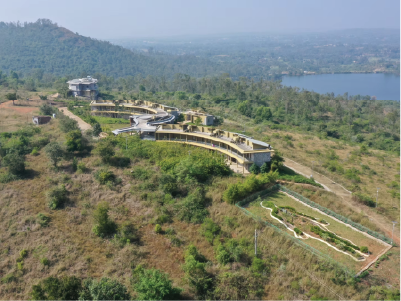
Source: Agastya Foundation
Start by learning from sociologists, psychologists, user researchers, and social workers, or by engaging with local communities and grassroots groups who understand what people really need. A great example is the Agastya Foundation Campus in Andhra Pradesh by architectureRED, built on a barren hill using simple materials and thoughtful spatial design, it sparks curiosity and belonging in rural children. It’s proof that architecture can uplift lives and nurture minds when people are truly at the heart of the process.
So, What Kind of Architect Will You Be?
In a world facing ecological collapse, social unrest, and cultural erasure—architects can’t afford to stay neutral.
You can:
- Build for animals
- Save mud homes
- Protect trees
- Heal communities
- Revive forgotten towns
- Rewild rooftops
- Fight climate injustice
…and so much more.
Kaarwan believes that learning design tools isn’t just about picking up software, it’s about grounding your ideas, expressing them with clarity, and building a practice that reflects what you truly care about. If this blog helped you imagine the kind of architect you want to become, know that there are ways to begin preparing.
Explore our learning spaces, workshops, and conversations here, and start shaping your path, one thoughtful step at a time.




.png)