

.png)
If you think architecture is only about buildings, think again.
The trees you walk under during break-time strolls with friends, the cool shade under pergolas, and the serenity of reflective pools. They're carefully designed moments, crafted by landscape architects.
_1749816529158.png)
Image Source: DLF Camellias
Landscape architecture is the art and science of designing everything outside the building, from parks and plazas to eco-resorts, streetscapes, campuses, and even regional master plans. It’s where design meets ecology and aesthetics meet sustainability.
As architect Ian McHarg once said, "Design with nature, not against it."
In Simpler Words?
Landscape architects are the invisible force that helps us coexist with nature in both everyday and extraordinary spaces. They make public areas liveable, private landscapes poetic, and large-scale developments sustainable. They ensure nature isn’t pushed aside, but integrated in ways that are:
- Sustainable
- Easy to maintain
- Ecologically and culturally rooted
- Emotionally enriching
Whether it’s raising the aesthetic of a city square, restoring native habitats, or making a commercial project more walkable and inclusive, their empathetic and ambitious designs elevate the quality of life.
_1749816602103.png)
Image Source: Auroville.org
Types of Projects in Landscape Architecture
Here’s a glimpse of the diverse kinds of projects landscape architects work on:
1. Public Parks & Gardens
Public parks aren’t just green escapes—they’re urban lungs, social stages, and cultural time capsules. Every generation leaves a mark, and in India, some parks carry the memory of empires, revolutions, and evolving civic needs.
Cubbon Park in Bengaluru, for example, is a living archive of the city’s colonial and ecological history. Established in 1870 by Major General Richard Sankey, Sprawling across 300 acres, has witnessed the city’s transformation from a sleepy cantonment town to India’s IT capital. The Park still retains its Victorian charm through neo-classical buildings like the State Central Library and High Court that dot its premises. But beyond the monuments, it’s a refuge for thousands who visit for morning walks, musical events, birdwatching, or quiet reflection. Home to over 6,000 trees and a variety of indigenous plant species, it balances biodiversity with urban life.
_1749816741962.png)
In recent years, citizen-led initiatives have pushed for the preservation of Cubbon’s green legacy, amidst growing threats from traffic, pollution, and infrastructure expansion. As the city gets denser, the relevance of such public parks grows stronger, not just as breathing spaces but as heritage-rich urban sanctuaries that connect us to the rhythms of nature and the roots of the city.
2. Urban Streetscapes & Plazas
Good street design isn’t just about managing traffic—it’s about managing stormwater, supporting pedestrian comfort, and bringing a sense of identity to the public realm. Landscape architects shape the spaces between buildings by designing pavements, bike lanes, street furniture, lighting, tree canopies, and integrated drainage systems. They ensure streets not only move people efficiently but also offer shade, safety, and social interaction, while reducing the urban heat island effect and preventing waterlogging.
_1749816915173.png)
Image Source: Oasis Design Inc.
These interventions help cities feel more walkable, breathable, and human-centric. For instance, Janpath Streetscape Redevelopment, Delhi given a new identity with improved accessibility, stormwater drainage, pedestrian surfaces, and urban aesthetics along one of the capital’s busiest corridors.
3. Campus Planning
Schools, universities, government buildings, residential townships and projects like IT parks demand carefully designed outdoor spaces that guide movement, offer rest, encourage gathering, and bring in nature. Responding to these unbuilt zones is no easy task; it requires deciding what areas act as sponges for rainwater, how people flow through a site, and how to strike the right mood, whether it's playful, relaxed or serene.
_1749817091294.png)
Image Source: IIM Ahmedabad
Designed by Louis Kahn, the IIM Ahmedabad campus is iconic for its architectural language, but what often goes unnoticed is how thoughtfully its open spaces are planned. The courtyards, shaded walkways, and green lungs across the campus aren’t just fillers; they’re intentional pauses that balance the heavy brick masses.
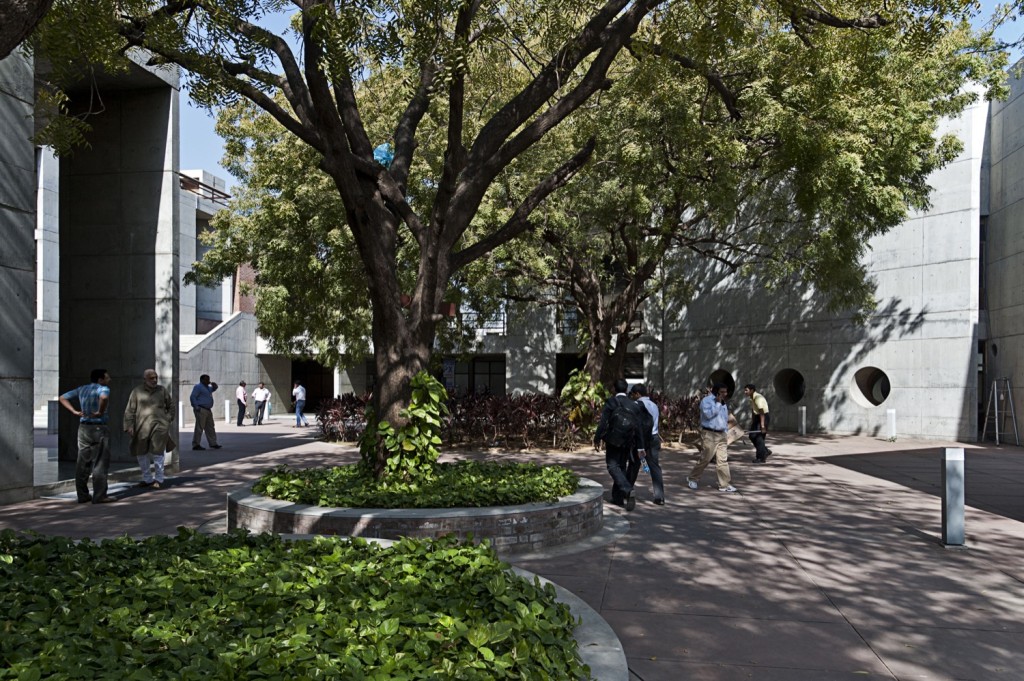
Image Source: Architecture Live
Landscape architects contributed to this spatial rhythm, creating a campus that invites movement, contemplation, and collaboration. The result is a master plan where built and unbuilt coexist harmoniously, proving that academic excellence also needs ecological and social grounding to truly thrive.
4. Resorts & Hospitality Design
Ever stayed at a resort where every view feels like a painting? That’s landscape architecture at work, designing arrival experiences, pathways, pool zones, private lawns, and more.
But here’s something deeper to think about: Landscape architects don’t just work around existing buildings. They’re most impactful when brought in before the buildings take shape. They help masterplan the entire site: deciding where built structures should go, how land should be shaped, and how natural systems like existing water flows or tree cover can be respected and retained. For instance, Evolve Back Resort in Coorg (formerly Orange County), wherein we can see through various design elements how landscape architects have beautifully blurred the line between luxury and nature.
_1749817388202.png)
Image Source: Evolve Back
Rather than relying solely on traditional swimming pools, the designers have incorporated serene lily ponds, echoing the natural wetlands of the region. These lily pools aren’t just ornamental—they evoke a raw, untouched aesthetic, subtly rewilding spaces that are otherwise curated for human comfort. The presence of water becomes both functional and poetic. Moreover, the resort elevates the experience by offering dreamy boat rides across the nearby Cauvery River, rooting its design in the local landscape. Together, these elements create a multisensory experience where the built environment and wilderness coalesce seamlessly.
5. Heritage Conservation & Cultural Landscapes
Landscape architects play a vital role in reviving the forgotten layers of history, not just by restoring gardens, but by reactivating ecosystems and community memory. At the Humayun’s Tomb complex in Delhi, the Aga Khan Trust for Culture led one of India’s most ambitious landscape conservation efforts.
_1749817851148.png)
Image Source: Humayun’s Tomb Complex Gardens, AKDN
Over a decade, they revived the 16th-century Charbagh layout using traditional planting patterns, restored Mughal water channels, and reintroduced native species, all while working closely with historians, masons, gardeners, and the local Nizamuddin community. This project set a new benchmark for how heritage landscapes can become thriving, public green spaces without losing their historical integrity.
6. Environmental Restoration & Ecological Planning
On one side, the rejuvenated Dravyawati Nadi (Amanishah Naala); on the other, a thriving botanical park on 9 acres of land. Together, they form a seamless example of ecological restoration in an urban setting. Landscape architect Hemanshu Taneja envisioned this space not just as a beautified park, but as a living ecosystem. By integrating wetlands, desert habitats, and native plant zones, the park invites migratory birds, supports biodiversity, and helps dilute the unpleasant odour often associated with urban drains.
_1749818081782.png)
Image Source: Dravyawati Botanical Park, Studio HA
Instead of the typical riverfront paved with reflective stone and concrete, where people rarely linger, this space offers a refreshing alternative. Ayurvedic gardens, butterfly zones, night gardens, and xerophyte displays enrich the air, cool the surroundings, and educate the public on native ecology and sustainable planting.
As the first botanical garden of its kind in Jaipur with a food court, it opens new avenues for tourism and public interaction, proving that riverfront development doesn't have to come at the cost of ecology. It thrives when designed with nature at its core.
7. Residential Landscapes
Like every drop makes the ocean, every green pocket, no matter how small, contributes to a healthier, more liveable world. When applied to residential spaces, landscape architecture becomes an act of restoring what construction once took away.
Terraces often reflect harsh heat. But with the right technical care (and without compromising structural safety), they can be transformed into vibrant, usable spaces—your new open-air office lounge, a quiet meditation zone with the sound of flowing water, or even the perfect spot for a weekend kitty party.
_1749818200866.png)
Image Source: Elements from Residential Projects, Studio HA
Love gardening? Want to attract butterflies? Or simply want a porch that welcomes you with freshness every day? Consult a landscape professional. Sometimes, you don’t need to move homes, you just need to reimagine the one you have.
8. Climate-Responsive Master Planning
With rising climate risks, landscape architects are at the forefront of designing resilient cities, using strategies like sponge urbanism, rainwater harvesting, and green infrastructure to manage floods, reduce urban heat, and improve liveability.
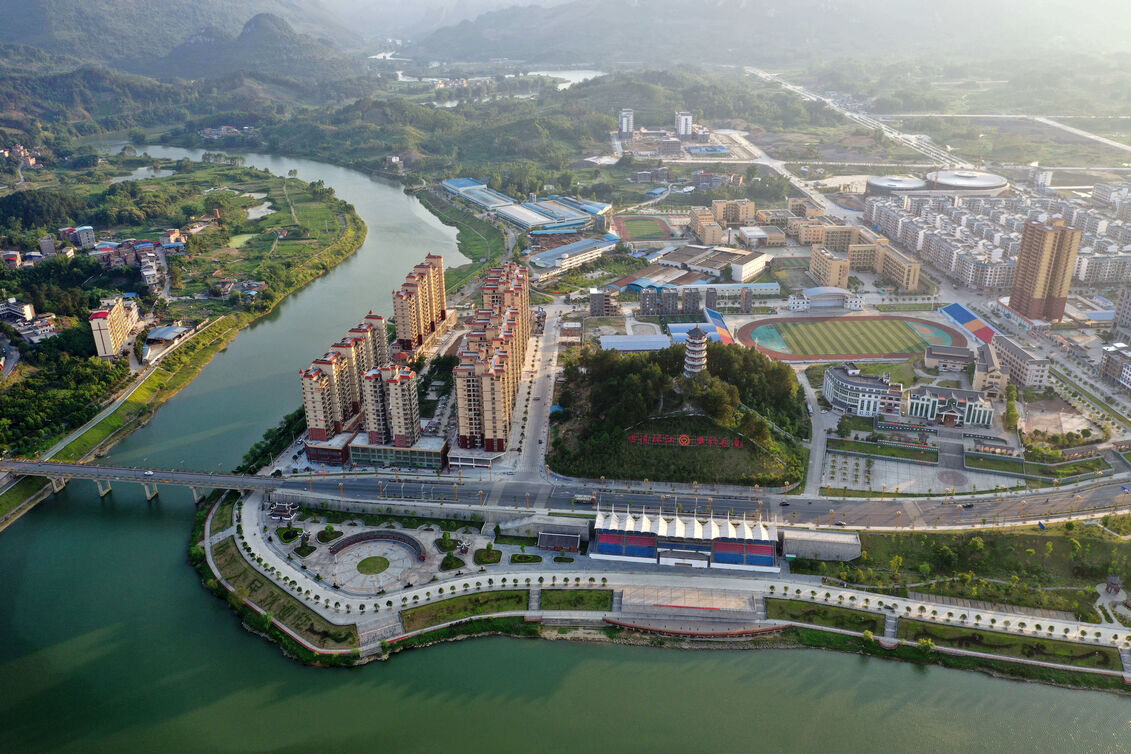
Image Source: news.cgtn, China's Guangxi Zhuang Autonomous Region
In China’s Guangxi Zhuang Autonomous Region, sponge city principles were adopted to transform flood-prone areas into green, permeable landscapes. Through wetlands restoration, green belts, and urban water networks, the region improved both flood resilience and quality of life, serving as a model for climate-adaptive design.
Dip into various niches, with budget-friendly previews, before offering your commitment to one.
Who Can Become a Landscape Architect?
In India, you typically:
- Study architecture (B.Arch) or planning,
- Then specialise through a Master’s in Landscape Architecture (MLA),
- Many professionals also come from related fields like ecology, botany, urban design, or environmental science and work in collaboration with trained architects.
_1749819117255.png)
Image Source: Landezine
This field blends:
- Ecology (understanding land, water, and biodiversity),
- Design thinking (solving real problems through spatial planning),
- Art (aesthetic appeal and experience),
- Technology (GIS, BIM, and 3D tools), and
- Social impact (inclusive and accessible design).
Final Thoughts
Skills in landscape architecture demand more than technical knowledge; they require freedom of thought. Whether it’s sketching concepts on paper or drafting digitally, landscape professionals need to translate complex ideas into clear visuals.
And once a design enters execution, they must coordinate with multiple teams: architects, civil engineers, MEP consultants, horticulturists, and more. This means meeting tight timelines, revising deliverables quickly, and maintaining clarity across disciplines. That’s where digital tools and BIM workflows are changing the game. Today, many leading architecture firms are upskilling their teams in BIM or collaborating with specialised BIM consultancies. Intelligent, data-driven 3D models help landscape architects integrate their ideas into the larger ecosystem, aligning grading, plumbing, and even planting with real-time architectural coordination.
In a time when cities are choking and climate change is accelerating, landscape architecture is no longer a luxury. It’s a necessity.
If you're considering a master’s degree or simply looking to upskill, Kaarwan is here to guide you toward software fluency. Our one-day masterclasses offer students and professionals insight into various design niches, helping them get comfortable with tools that can open doors to their dream design studios and impactful projects both in India and internationally. As India gears up for large-scale Smart City missions, take your chance to be part of meaningful change and design with purpose.




.png)