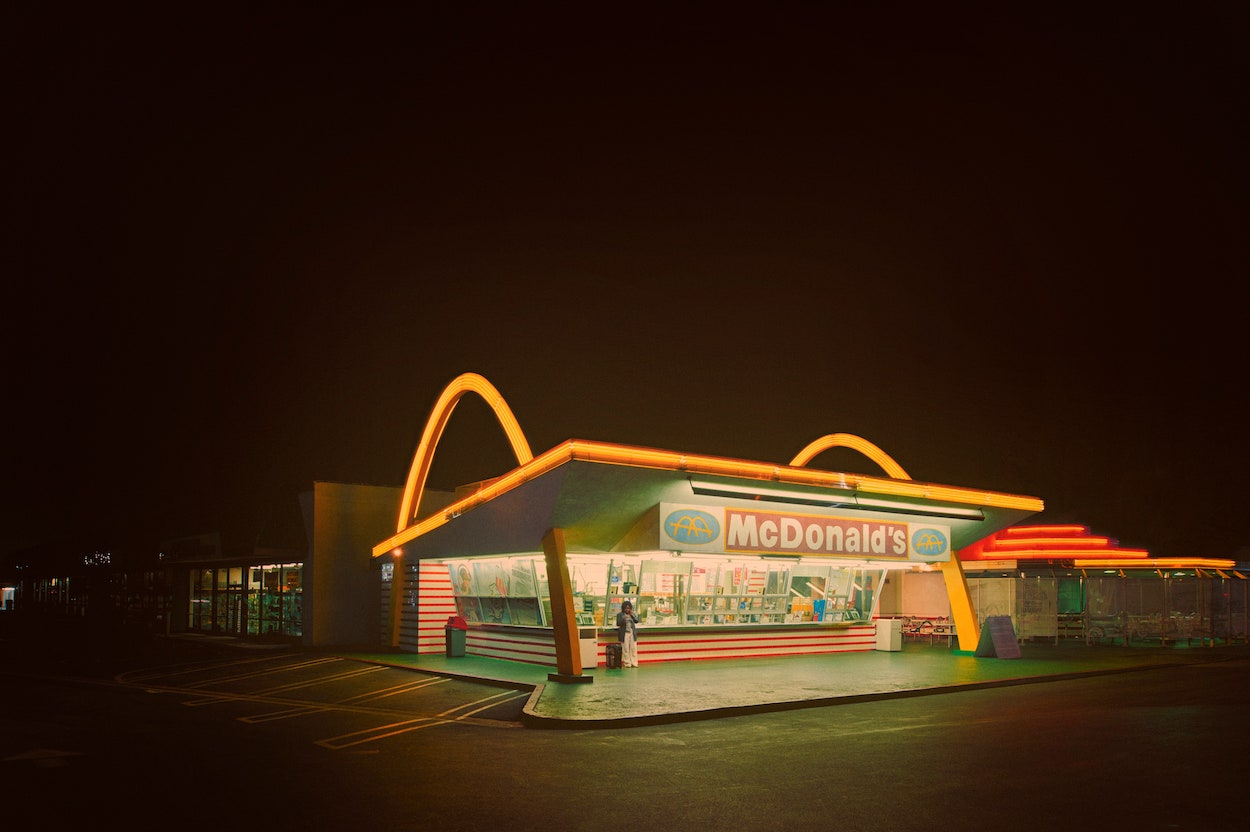
What You Need to Know About Googie Architecture
Bold. Futuristic. Out of this world.If architecture had a retro sci-fi genre, Googie would be its superstar.
Googie Architecture isn’t just a design style—it’s a time capsule from the Atomic Age, exploding with optimism, neon lights, and space-age curves. Born in post-WWII America and flourishing through the 1940s–60s, this quirky, futuristic style was a reflection of a nation obsessed with progress, cars, rockets, and the future.
🚀 So, What Exactly Is Googie?
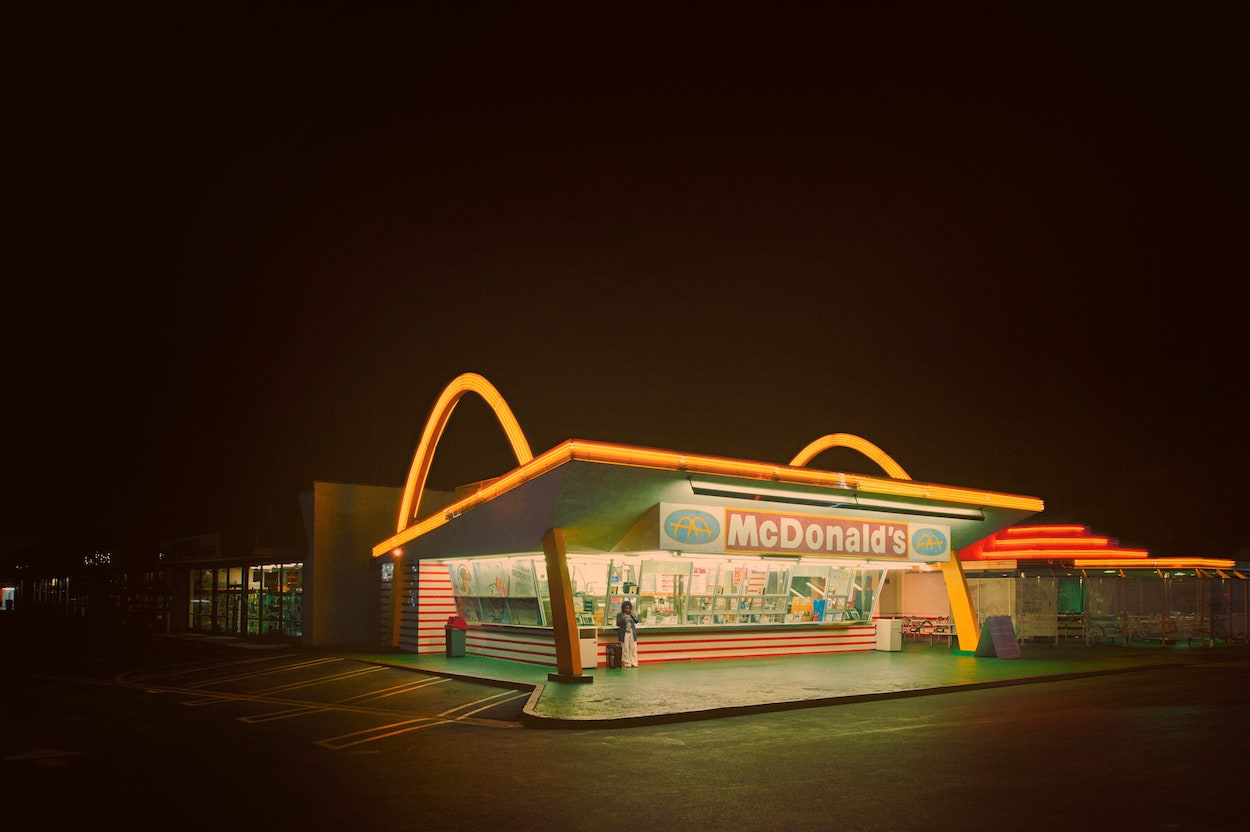
At its core, Googie is mid-century modern’s playful cousin. Where modernism was minimal, Googie was maximal. Think sharp angles, swooping rooflines, boomerangs, flying saucers, and neon-lit signage that screamed for attention.
It was architecture designed to be seen from a moving car—a perfect fit for the booming car culture of America’s highways and fast-food revolution.
🏗️ Key Features of Googie Architecture
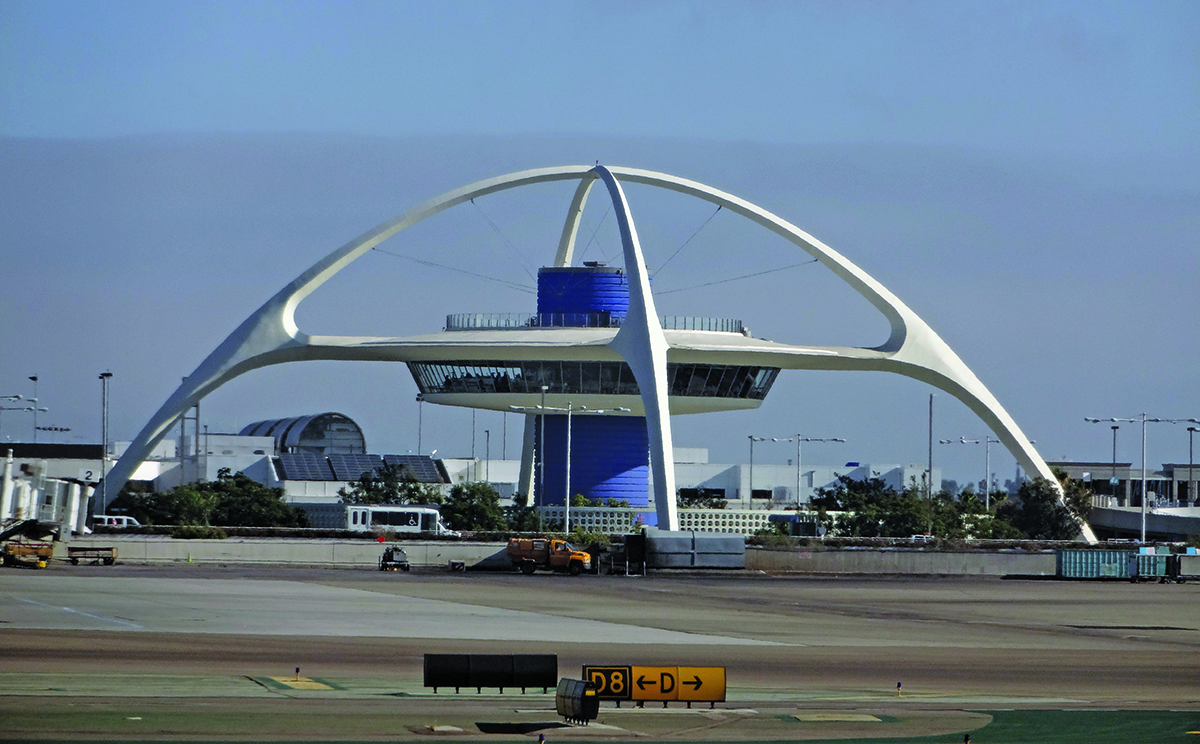
- Upswept roofs and dramatic cantilevers
- Glass walls, steel, and bold geometric shapes
- Starbursts, atomic patterns, and space-age motifs
- Bright colors, neon signs, and exaggerated signage
- Integration of modern materials like plastic and aluminum
Googie says: Look at me. I’m the future!
🧠 Why Was Googie Important?
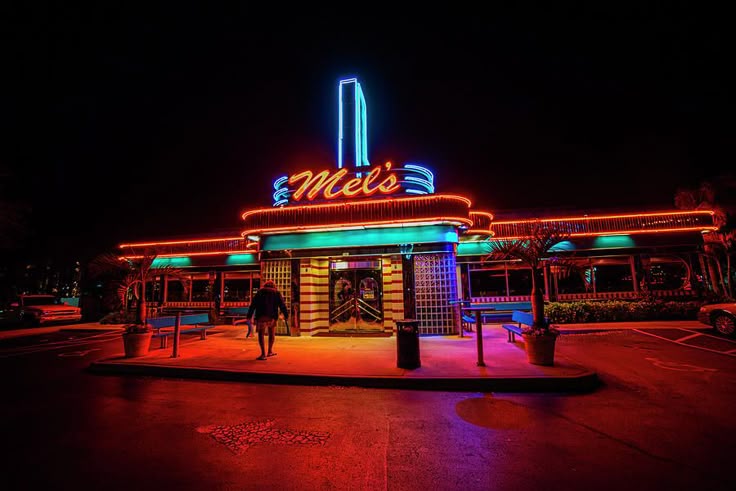
Googie wasn’t about academic elegance—it was architecture for the people. Diners, motels, gas stations, drive-ins, and coffee shops used Googie to stand out. It was accessible, democratic design, full of hope and showmanship.
For architects and civil engineers, Googie is a reminder that design doesn’t always need to be serious to be significant. It's about connecting with people in a language they understand—even if that language is Martian-modern chic.
🌍 Where Can You Still See Googie?
Some iconic and surviving examples include:
- Theme Building at LAX Airport, Los Angeles
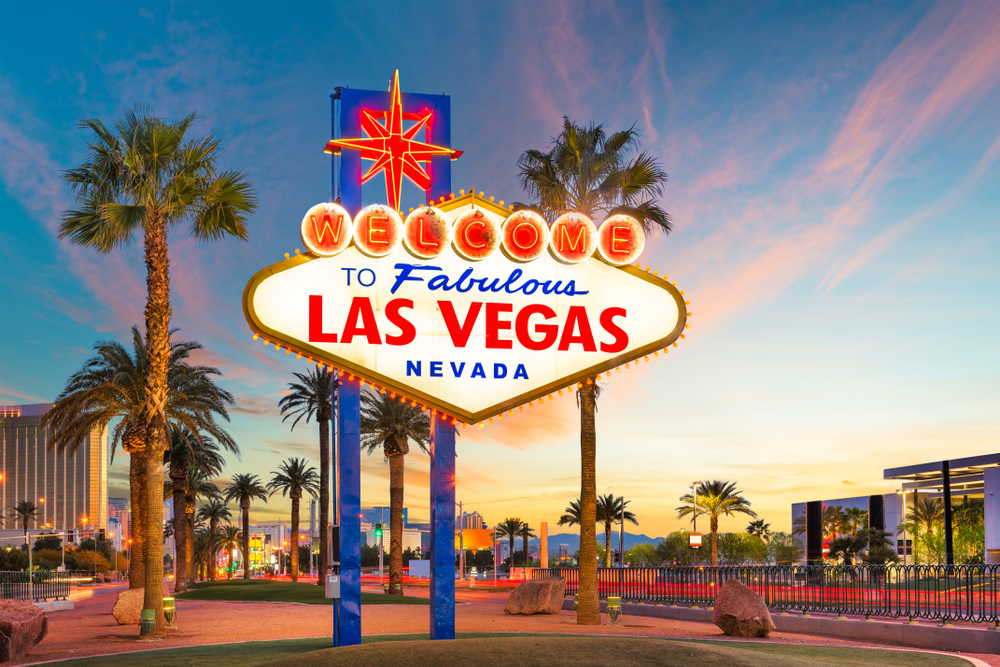
- Welcome to Fabulous Las Vegas sign, Las Vegas
- Johnie's Coffee Shop, Los Angeles
- Norms Restaurant, California
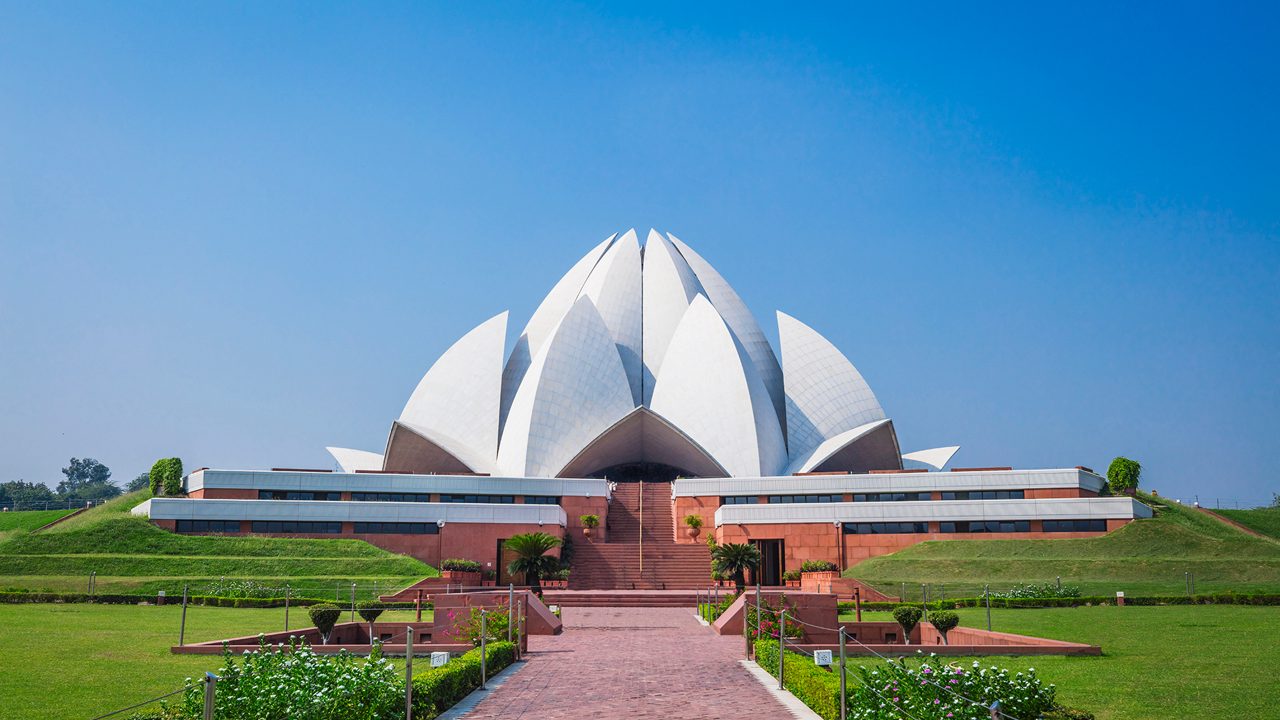
- Lotus Temple, Delhi (Though not Googie, its bold form makes it an example of expressive architecture in India.)
📺 Pop Culture + Googie = ❤️
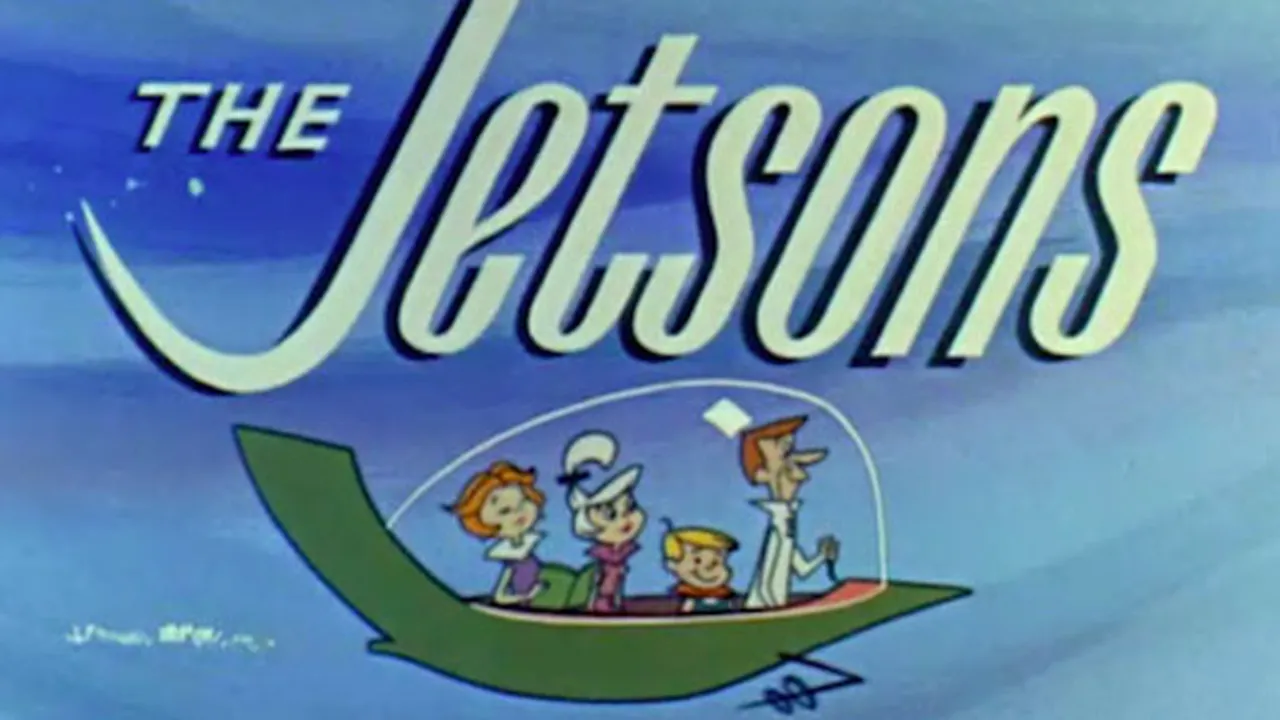
Ever watched The Jetsons? Or admired the sleek, neon-lit diners in Pulp Fiction? That’s the spirit of Googie. It defined the visual identity of 1950s Americana and still echoes in theme parks, movies, and nostalgia-driven design today.
🛠️ Googie in Today’s Design Context
Though not commonly practiced now, Googie’s spirit lives on in experimental design, branding, and digital interfaces that embrace playfulness and bold expression.
Modern architects revisit its expressive forms for retro-futuristic inspiration, especially when designing entertainment, retail, and themed experiences.
🎯 Final Thought
Googie isn’t just a style—it’s a mood. A fearless, exuberant celebration of the future. For architects, it’s a masterclass in designing with boldness, clarity, and emotional impact. For civil engineers, it’s a showcase of what happens when structural daring meets cultural zeitgeist.
Love architecture with flair? Then Googie is your spirit style.
Upskill smart: Explore your dream niches, take our personality skill test, and uncover what truly fuels your passion.