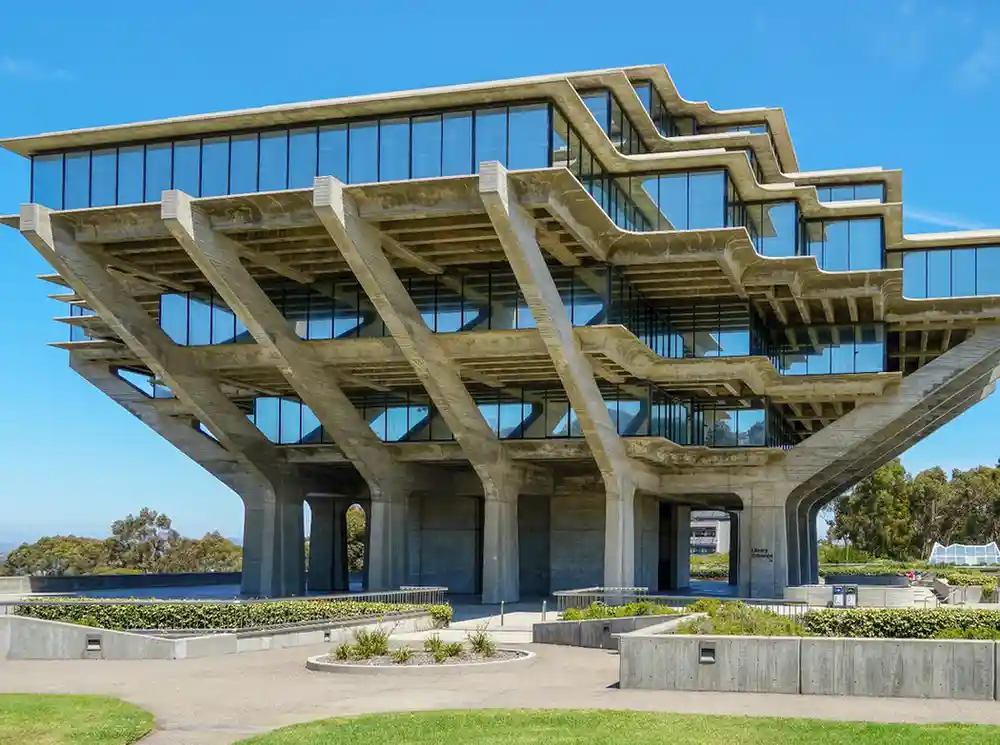
Why Some Buildings Age Better Than Others: Lessons Every Architects Should Know
Introduction
Some buildings seem to grow wiser with time, their materials deepening in character, their spaces still relevant decades later. Others fade quickly, losing appeal, function, or even structural integrity.
For architects, this raises a compelling question: what makes certain buildings age gracefully while others don’t?
Understanding this is essential in architecture, where design decisions today shape how a building performs years, even decades, into the future. This article explores the key factors that influence how buildings age and what architects can do to design for longevity.
Why Aging Matters in Architecture
A building doesn’t end at completion, it begins its real life then. Over time, architecture is tested by:
- Climate and weather
- Material wear and tear
- Changing user needs
- Maintenance practices
Buildings that age well maintain their function, beauty, and structural integrity, while others deteriorate quickly.
For architects, designing with aging in mind leads to more sustainable and enduring architecture.
1. Material Choices Shape How Buildings Age
Materials are the skin and skeleton of architecture. Some mature beautifully, others decay awkwardly.
Materials That Age Well
- Natural stone
- Brick
- Timber (properly treated)
- Concrete (when detailed well)
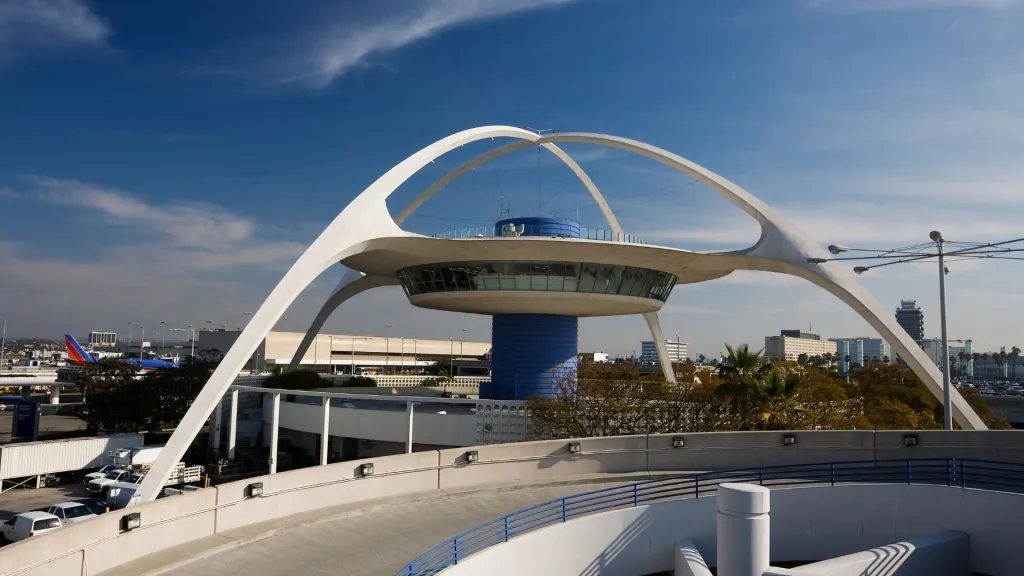
These materials develop patina, a natural aging process that enhances character.
Materials That Age Poorly
- Low-quality finishes
- Thin laminates
- Poorly treated metals
These tend to peel, crack, or corrode, affecting both aesthetics and performance.
For architects, choosing the right materials is one of the most important decisions in long-lasting architecture.
2. Climate-Responsive Design
Buildings that respond to their environment tend to age better.
Good architecture considers:
- Sun orientation
- Rain exposure
- Wind direction
- Temperature variations
For example:
- Deep overhangs protect walls from rain
- Proper shading reduces heat damage
- Ventilation prevents moisture buildup
Ignoring climate leads to premature deterioration.
3. Construction Quality Matters
Even the best design can fail with poor execution.
Factors that impact aging:
- Workmanship quality
- Structural detailing
- Waterproofing
- Joint design
Common issues in poorly built architecture:
- Water leakage
- Cracks
- Material failure
Architects must ensure design intent is maintained during construction.
4. Maintenance and Lifecycle Planning
Buildings that age well are maintained well.
Architecture should anticipate:
- Cleaning access
- Repair strategies
- Replaceable components
Designing for maintenance includes:
- Accessible service areas
- Durable finishes in high-use zones
- Easy-to-replace materials
Good architecture plans not just for use, but for upkeep.
5. Timeless Design vs Trend-Driven Design
Some buildings age poorly simply because they follow short-lived trends.
Timeless Architecture
- Simple forms
- Balanced proportions
- Neutral material palettes
Trend-Driven Architecture
- Overly stylized elements
- Experimental finishes without durability
- Design tied to a specific era
Timeless architecture remains relevant, while trend-based designs can feel outdated quickly.
6. Flexibility in Space Planning
Buildings that adapt tend to survive longer.
Flexible architecture allows:
- Change in function
- Interior reconfiguration
- Future upgrades
Examples:
- Open floor plans
- Modular layouts
- Non-load-bearing partitions
Rigid spaces become obsolete faster.
7. Detailing Makes the Difference
Good detailing protects architecture over time.
Critical details include:
- Drainage systems
- Expansion joints
- Edge protection
- Waterproofing layers
Small mistakes in detailing can lead to major long-term damage.
Architects who focus on detailing create buildings that last.
8. Context and Cultural Relevance
Buildings that respect their context often age better.
Architecture that aligns with:
- Local materials
- Cultural patterns
- Climate response
tends to remain relevant and appreciated.
Context-blind architecture can feel disconnected over time.
Why This Matters for Architects
Understanding how buildings age helps architects:
- Design more durable structures
- Improve sustainability
- Reduce lifecycle costs
- Create lasting architectural value
It shifts architecture from short-term output to long-term impact.
Conclusion
Buildings are living entities in the urban landscape. Some age like fine craftsmanship, gaining depth and character, while others struggle to endure.
For architects, the difference lies in material choices, climate response, detailing, and design philosophy.
Great architecture doesn’t just look good on day one, it continues to perform, adapt, and inspire over time.
Designing for longevity is not just a technical goal, it’s a responsibility.
Learn More with Kaarwan
Want to design architecture that stands the test of time? Kaarwan offers industry-focused courses for architects and designers.
Explore:
- Sustainable Architecture
- Material & Construction Design
- Advanced Space Planning
Build skills to create timeless, durable architecture. 🚀