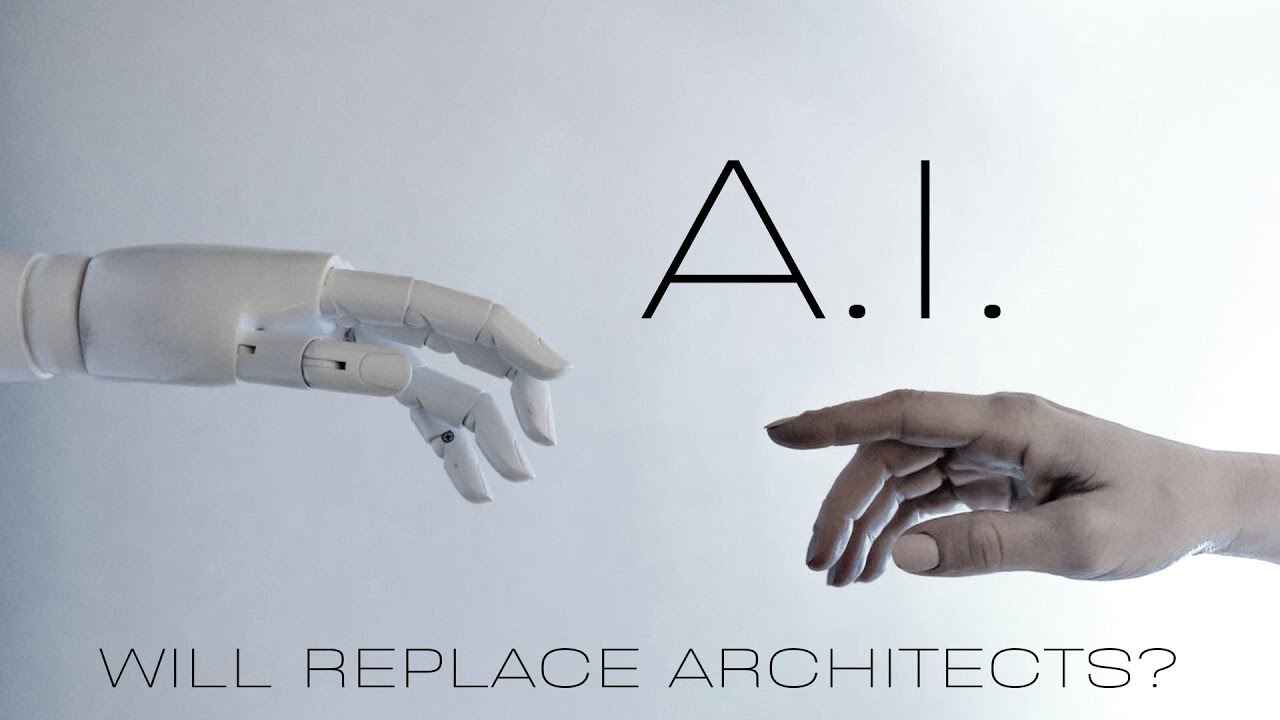
Will AI Replace Architects? The Real Answer for 2030
Technology is evolving fast—but architecture is more than algorithms.
Artificial Intelligence has already entered the architecture industry. Tools can now generate floor plans, create concept renders, analyze site data, and even simulate building performance within minutes.
Because of this rapid change, many architecture students and professionals are asking an important question:
Will AI replace architects by 2030?
The short answer is no—but it will change how architects work. The architects who understand and adopt AI will have a clear advantage in the coming decade.
What AI Is Already Doing in Architecture
AI tools are increasingly used in the early stages of design and analysis. They help architects explore more possibilities in less time.
Common AI applications include:
- Generating conceptual design options
- Producing quick visualization renders
- Optimizing site planning and massing
- Analyzing daylight, wind, and energy performance
- Automating repetitive drafting tasks
These capabilities allow architects to test ideas rapidly and make more informed design decisions.
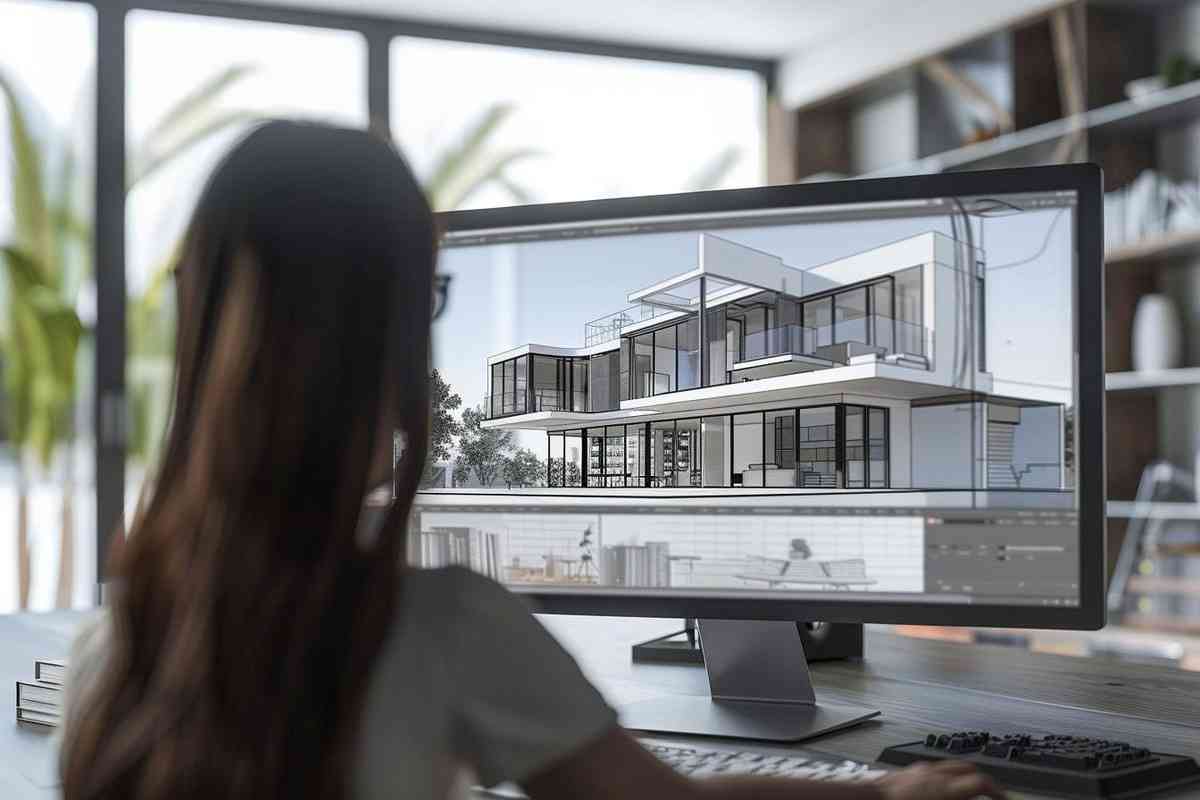
Where AI Is Strongest
AI performs best in areas that involve data analysis, pattern recognition, and automation.
For example, AI can:
- Evaluate multiple design alternatives quickly
- Optimize layouts for sunlight or airflow
- Assist with generative design models
- Speed up rendering and visualization workflows
These tools can significantly improve efficiency in design processes.
Where AI Still Falls Short
Despite its capabilities, AI cannot replace several essential aspects of architectural practice.
Architecture is not only about geometry or efficiency. It also involves human judgment, creativity, and cultural understanding.
AI struggles with:
- Understanding social and cultural context
- Negotiating client needs and expectations
- Making ethical design decisions
- Managing construction processes
- Leading multidisciplinary project teams
Architecture involves collaboration, responsibility, and real-world constraints that require human expertise.
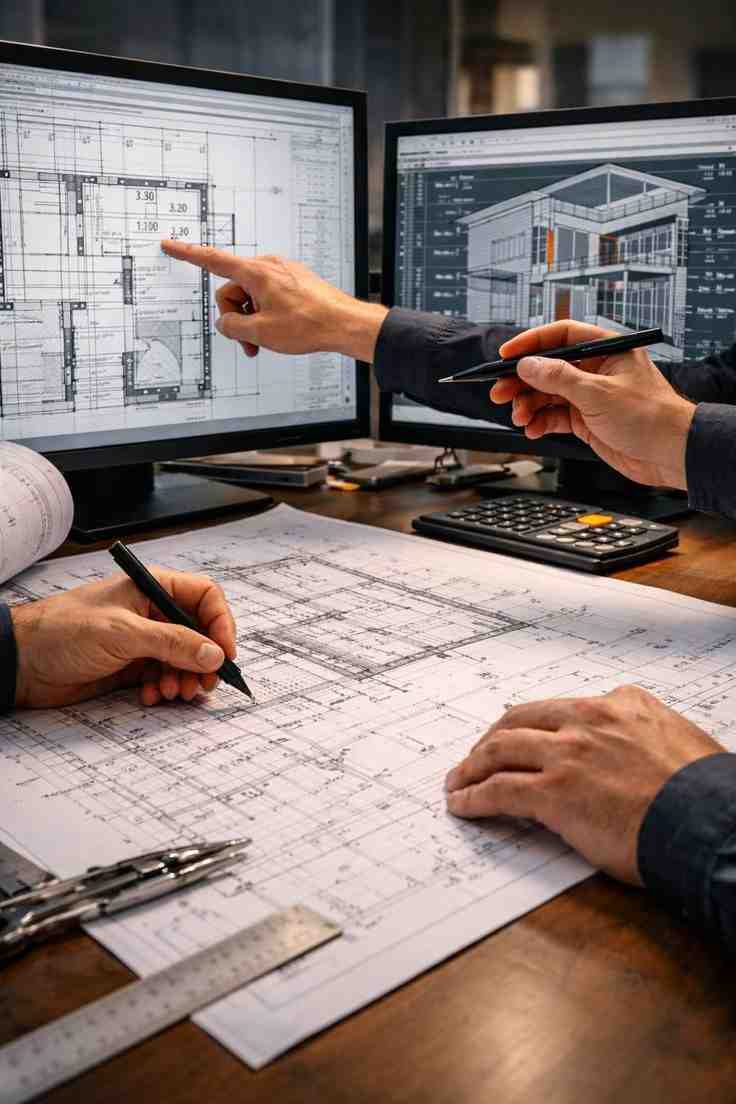
How AI Will Change the Role of Architects
Rather than replacing architects, AI will likely transform their daily workflow.
Future architects may spend less time on repetitive tasks and more time on strategic and creative thinking.
Expected changes include:
- Faster concept development
- Data-driven design decisions
- Greater emphasis on sustainability analysis
- Increased integration of BIM and generative tools
Architects will become design strategists who guide technology rather than compete with it.
Skills Architects Will Need by 2030
As technology evolves, the most successful architects will combine design thinking with digital expertise.
Important skills will include:
- BIM workflows and coordination
- Parametric and computational design
- AI-assisted visualization tools
- Sustainable design strategies
- Interdisciplinary collaboration
Architects who understand both design and technology will be better positioned in the future job market.
The Biggest Misconception About AI in Architecture
One common misconception is that AI can independently design buildings from start to finish.
In reality, architecture involves many complex responsibilities:
- Regulatory compliance
- Structural coordination
- Site-specific challenges
- Budget and construction limitations
AI can assist the design process, but it still requires human direction and expertise.
Why Architects Who Learn AI Will Have an Advantage
Instead of fearing AI, architects can use it as a tool to enhance their workflow.
AI can help:
- Generate design variations quickly
- Improve presentation quality
- Analyze environmental performance
- Reduce time spent on repetitive tasks
Architects who integrate these tools into their practice can focus more on design innovation and problem-solving.
How Kaarwan Helps Architects Stay Future-Ready
At Kaarwan, the focus is on helping architecture students and professionals develop skills that align with the evolving industry.
Programs covering BIM workflows, visualization, computational design, and sustainable architecture help bridge the gap between academic learning and professional practice.
If you are interested in the future of architecture, you may also explore topics such as:
- Free AI Tools for Architecture Students
- Why Learning Revit Before Graduation Changes Your Career Path
- Top Skills Architecture Firms Actually Test in Interviews
Final Thought
AI will not replace architects. However, architects who ignore technological change may find themselves at a disadvantage.
By 2030, the most successful architects will not be those who compete with AI—but those who collaborate with it to design smarter, more sustainable, and more efficient environments.