Creating a yoga space that fosters peace, balance, and focus isn’t just about aesthetics—it’s about energy. As an architecture student or professional, you likely understand how spatial arrangement affects well-being. When designing a yoga room, following vastu architecture principles can optimize energy flow, ensuring a serene and uplifting atmosphere
.
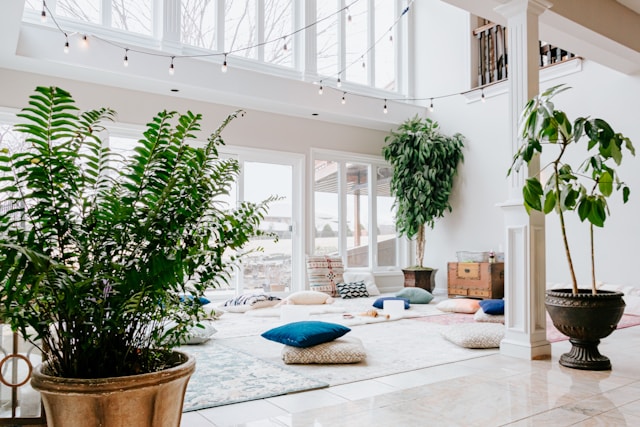
Why Vastu for Yoga Room Matters
Vastu Shastra, an ancient Indian architectural science, emphasizes harmony between human life and nature. A well-designed yoga room based on vastu principles enhances focus, mental clarity, and positive vibrations. Whether designing a yoga space for yourself or a client, integrating vastu principles can make a significant impact.
Ideal Direction & Placement for a Yoga Room
1. Choosing the Right Direction
The direction in which a yoga room is placed significantly influences the energy within it. According to vastu for yoga room:
- Northeast: The best direction, as it symbolizes wisdom and clarity.
- East: A great alternative, as it aligns with the rising sun, promoting fresh energy.
- North: Encourages peace and stillness, ideal for meditation-oriented yoga.
Avoid placing the yoga room in the south or southwest, as these directions are believed to attract heavy energy, which can hinder focus and relaxation.
2. Room Placement Within a House or Studio
- A separate space away from high-traffic areas is ideal.
- The room should be airy and well-lit, with plenty of ventilation.
- Avoid rooms near the kitchen or bathroom, as they carry disruptive energies.
Designing a Vastu-Compliant Yoga Space
1. Flooring & Materials
The materials used in a yoga space impact its energy. Opt for:
- Wooden or bamboo flooring: Provides warmth and natural grounding.
- Stone or marble flooring: Ideal for cooler climates, ensuring stability.
- Avoid synthetic materials: They can hold stagnant energy.
2. Colors & Decor
Colors play a crucial role in setting the right mood. According to vastu architecture:
- Light green, white, and blue: Encourage calmness and focus.
- Soft earthy tones: Promote grounding and balance.
- Avoid dark or bright colors: They may create restlessness.
Minimalistic decor is recommended. Avoid clutter, heavy furniture, or sharp objects, as they disrupt the energy flow.
3. Natural Elements & Lighting
- Natural light is best. If that’s not possible, use warm, soft lighting.
- Indoor plants like tulsi, aloe vera, or peace lilies enhance the air quality and bring positivity.
- Essential oils or incense can create a calming ambiance.
Enhancing Energy Flow with Vastu
1. Yoga Mat & Practitioner’s Position
- Place the mat in the east or north direction to align with natural energies.
- Always face east while practicing yoga, as it enhances focus and spiritual growth.
2. Mirrors & Reflective Surfaces
- Avoid placing mirrors directly in front of the yoga mat.
- If mirrors are necessary, position them on the sidewalls rather than the front.
- Too many reflective surfaces can create unnecessary distractions.
3. Storage & Clutter-Free Environment
- Use built-in storage to maintain a neat space.
- Keep yoga accessories organized in wooden or cloth baskets.
- Avoid keeping unused items in the room, as they can block energy flow.
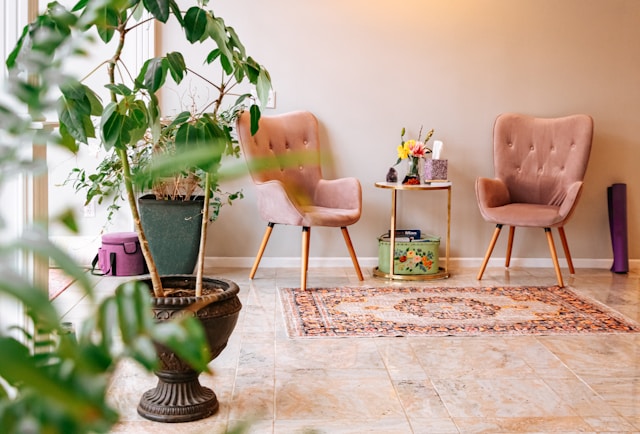
Common Vastu Dos & Don’ts for a Yoga Room
✅ Do’s
- Place the room in the northeast or east direction.
- Keep the space clean, airy, and well-lit.
- Use natural materials for flooring and decor.
- Decorate with calm, light colors.
- Use essential oils or incense for a serene ambiance.
❌ Don’ts
- Avoid placing the yoga room next to the bathroom or kitchen.
- Don’t use dark, heavy colors.
- Avoid placing furniture in the center of the room.
- Don’t keep electronic gadgets like televisions in the yoga space.
- Avoid sharp-edged furniture or clutter.
Integrating Vastu Principles in Professional Designs
For architecture students and professionals, incorporating vastu in yoga room designs can enhance the functionality and energy of a space. When working on projects, consider offering vastu-based design recommendations to clients to improve their wellness and mindfulness experience.
How Learning Vastu Can Benefit Your Career
Taking a vastu course can add immense value to your architectural expertise. Understanding how energy flow affects spaces allows you to design homes, studios, and wellness centers more effectively. Many clients today seek designs that integrate holistic well-being, and vastu knowledge gives you an edge.
Conclusion
A well-designed yoga room based on vastu principles promotes harmony, mental clarity, and a peaceful atmosphere. Whether designing a personal space or working on a client’s project, vastu architecture can be a game-changer. Implement these principles to create yoga spaces that enhance focus and energy flow.
Looking to master vastu principles? Enroll in an advanced vastu course to elevate your architectural skills and create mindful, energy-balanced spaces.
Visit our website Kaarwan for more!
FAQs
What is the best direction for a yoga room according to vastu?
The northeast direction is ideal, as it enhances clarity, peace, and focus. The east and north are also good alternatives.
Can I place a yoga room in the south or southwest direction?
It’s not recommended, as these directions are associated with heavy energy, which may disrupt focus and relaxation.
What colors are best for a vastu-compliant yoga room?
Light green, white, blue, and soft earthy tones are best for creating a calm and balanced environment.
Are mirrors allowed in a yoga room as per vastu?
Mirrors should be avoided in front of the yoga mat, but if needed, they can be placed on sidewalls.
How does vastu architecture help in designing better yoga spaces?
Vastu ensures proper energy flow, enhances focus, and creates a balanced environment, leading to improved well-being and mindfulness.