


Why Civil Engineers Should Do BIM
Civil engineering is currently undergoing a revolution, all thanks to Building Information Modelling or BIM. This isn’t your average tech buzzword—BIM is a seamless and functional tool that makes collaboration easier, bringing everything into a single, smart virtual model. Think of it as a digital twin of a real-life structure but with more features, offering insights and observations that go beyond the visuals of a 3D model.
In this blog, let’s explore why BIM has become a must-have tool for civil engineers worldwide.
Not only BIM is expected to reach USD 14.8 billion by 2029, but 73% of firms are also using BIM in building their projects right now!
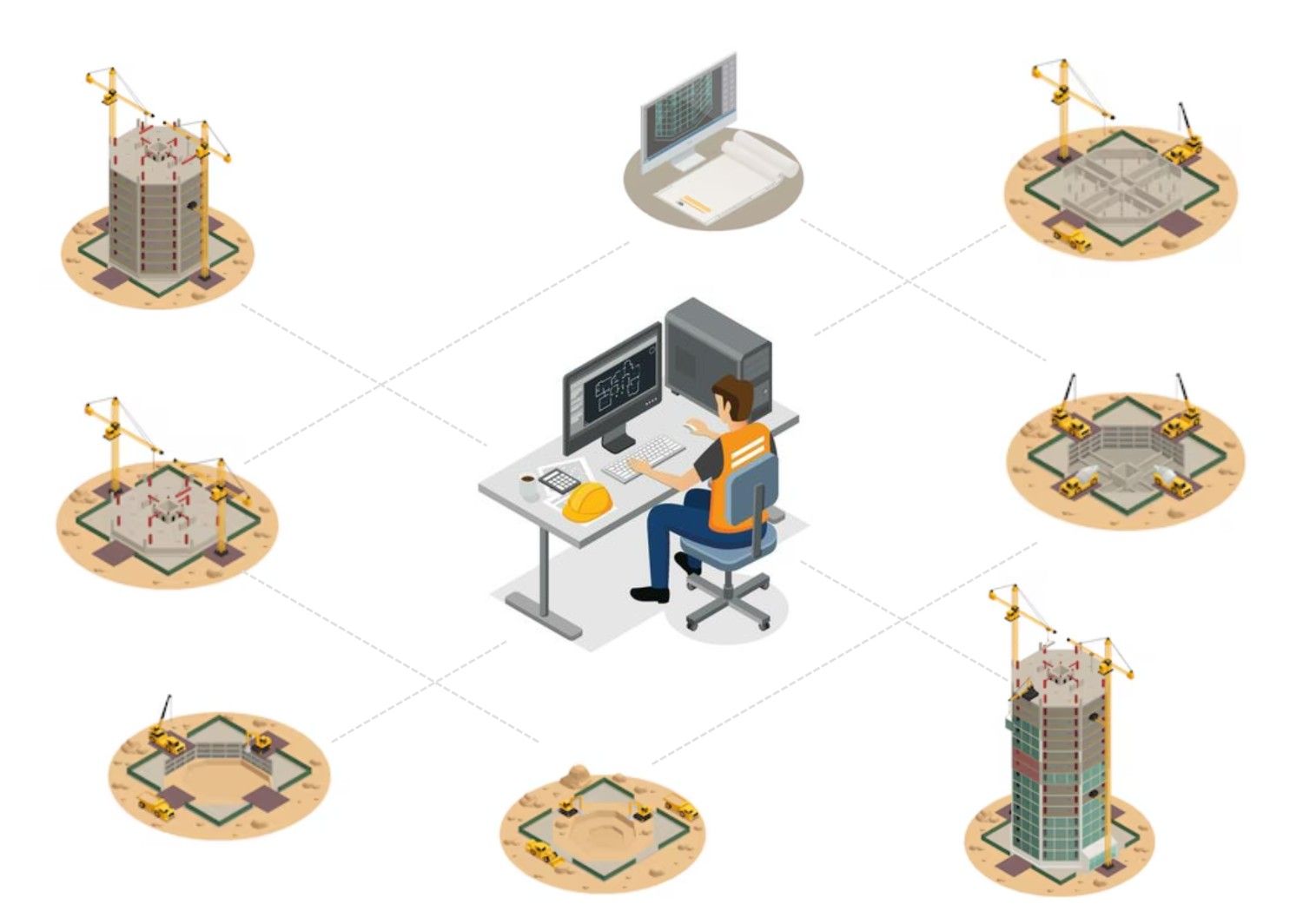
Fusing 4D and 5D BIM has been a game changer in project planning and control, combining cost and time dimensions to visualise project stages and track progress on the go. BIM is leveraged in simplifying complex challenges and creating seamless workflows. BIM is a future-led tool that is going to redefine the way we build, design, innovate, and create.
What Is BIM and Why Does It Matter?
BIM is a digital and collaborative process that enables architects, civil engineers, and other construction professionals to plan, design, construct, and manage buildings cohesively. Unlike stuck-in-the-past 2d drawings, BIM creates a digital clone of a project that allows professionals to visualise and simulate every aspect of the design in real-time. Usin
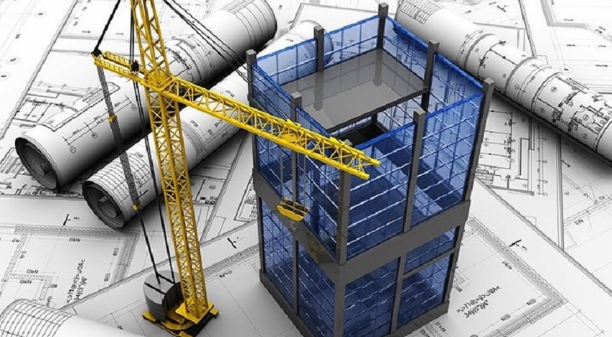
Allied Market Research quotes that the global BIM market is projected to grow at a CAGR of 13.2% by 2029. Not only does this suggest that BIM is going to be the next game changer, but it’s also here to revolutionise the AEC industry. In this era of rapid evolution, where the half-life of a skill is constantly shrinking, staying relevant means constantly upskilling.
1. It's a "Need-Of-The-Hour" Skill
Today, over 73% of firms have adopted BIM including some of the leading firms like DAR, L&T, Tata Projects, AECOM and the list goes on and on…With BIM becoming a mandate in so many countries and firms, if you’re a civil engineer looking to work with top-tier companies or international clients, BIM is a skill that can make you an indispensable asset.
2. Better Hikes and Better Job Opportunities
Talking about numbers, civil engineers upskilling in BIM typically experience a hike of up to 30%. With BIM, you are not just adding a single skill or tool—you are adding your skills in managing projects with more efficiency and fewer errors. According to statistics, BIM engineers in India earn between 10- 12 LPA, and a much higher compensation across the globe.
3. The Foundation of Future Trends
BIM is the foundation for integrating many advanced technologies like—digital twins, the Internet of Things (IoT), AI-powered construction management and digital twins.
Benefits of BIM for Civil Engineers:
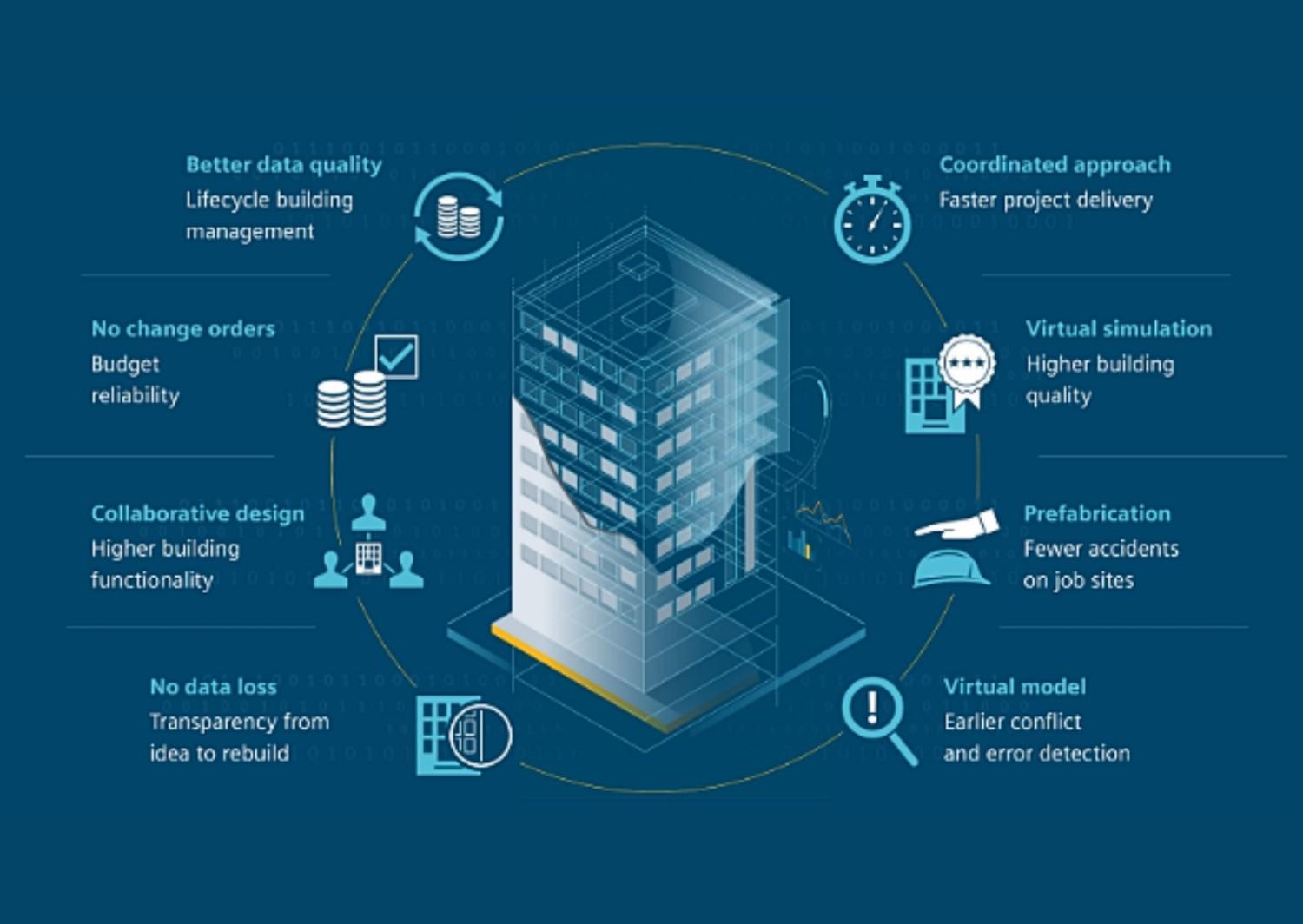
The silent genius that’s turning the landscape of civil engineering is on its way to bringing a revolution in the AEC industry. With BIM in your toolkit, you’re not just cancelling out your mistakes, but also opening up to a world of endless possibilities, streamlined processes, clear savings, and stress-free teamwork.
But here’s the catch: BIM isn’t just a trend, it’s here to stay. Its future-ready skills not only make collaboration and communication better, but BIM lends its features to optimise the overall design processes-right from the outset. Whether it’s real-time collaboration across teams or turning raw data into insights, BIM truly earns its title as the ultimate game changer, and here’s why:
1. Data Integration :
Integration data is one of the unsung heroes of Building Information Modelling (BIM). It gets you into all the nitty-gritty details, materials, costs, schedules, and project documents—stacking it all up into one central hub.
BIM helps you integrate innovative data sources like reality capture, 2D CAD, raster data and GIS information. This smooth integration keeps everything on the same page, reduces errors, and makes collaboration super easy. This helps architects, structural engineers, MEP experts and contractors to communicate better and drive projects towards success with fewer hurdles on the way.
2. Visualisation :
Every architect or AEC professional relies on visualisation to bring their concepts to life. BIM helps you create detailed 3D models, stunning renderings, clash detection and other simulations. BIM takes a step further with time-based and cost-based visualisation to make the entire process seamless. This means better communication, stronger decision-making, and smarter design validation, yielding impressive results.
3. Informed Project Decisions :
The “I” in BIM stands for Information, which ultimately means that any decision you make during the project lifecycle will be well-informed. BIM just doesn’t give you an estimate; it helps you plan construction with a detailed sequence, visualising every step to the T and allocating resources more efficiently. BIM tools help engineers dive deep into parameters like sight distance, food stimulation, clash detection, and dynamic site analysis, helping engineers make more meticulous decisions at every stage.
4. Cost Control :
Finally, the one benefit most of us keep thinking about during an entire project lifecycle. Costing is one thing that can make or break any project. BIM doesn’t just estimate, it calculates accurate quantities and elements needed for the job. The precision permits civil engineers to prioritise investments wisely and re-centre on adding true value to projects rather than getting stuck on numbers alone.
5. Legal Compliance :
BIM can be used by civil engineers to extend legal compliance too. This workflow helps with local building codes and regulations which helps the designer/engineer to design structures that meet all legal requirements.
A Civil Engineer’s Growth With BIM:
In the ever-evolving world of construction, BIM-savvy civil engineers are turning heads—and all for a good reason. All fueled with the potential to visualise, and analyse products in a dynamic 3D environment, these professionals are revisiting design decision-making, making every step of the process sleeker, more seamless and much more effective.
From data integration to complete lifecycle analysis, BIM-skilled engineers offer a skillset that’s tailor-made for smart cities, building in sustainable architecture. With governments and organisations mandating BIM projects, the demand for these experts skilled in BIM is rising—creating opportunities to tackle complex designs and more opportunities in the industry.
Way forward? BIM isn’t going to be just about joining a team and doing the work, it’s going to be about leading a team, marking yourself as an industry leader and thriving perpetually.
As good as BIM sounds, you might be wondering, where to start from.
How Do You Learn BIM as a Civil Engineer?
We all have talked about how mastering BIM for an engineer in the AEC space has now become crucial. Given its numerous benefits and how engineers are constantly looking for better opportunities, BIM has become a must-have skill in the industry. By upskilling in BIM, you work with smoother communication, seamless collaboration, and fewer errors. To understand how to progress with your career in BIM, these can be the steps to follow:
1. Certifications
Consider reaching out to edtech platforms like Kaarwan that offer a Professional BIM Certification Program for Civil Engineers. Other organisations like Autodesk also offer courses that you can take to build your portfolio and showcase your expertise to potential employers
2. Online Courses and Tutorials
Many online platforms offer affordable BIM courses for civil engineers. Platforms like Kaarwan, LinkedIn, and many others offer courses related to this tool. Kaarwan also offers quick Revit & BIM masterclasses if you are looking for a quick session to get a grip on the software trending in the industry.
3. Practical Experience
Practical hands-on experience might help you polish your skills as a BIM professional. Taking up some professional experience helps you get an idea of the fieldwork that goes on in reality. However, with Kaarwan’s Professional BIM Certification Program for Civil Engineers, you can also get hands-on experience, working on real-life projects and learning on!
Career and Salary Progression
While learning BIM is an asset when it comes to grabbing better opportunities, it also fuels your career progression. Reshaping your entire career path, this is how your career would look like:
_1747393879973.png)
Final Thoughts
The civil engineering landscape is changing by the minute. This means that not only is it a mandate to stay relevant, but it’s also the road to getting better opportunities, creating more impact, and designing as we keep up pace with technology and trends. In order to stay ahead or even relevant, upskilling at the right time and with the right skill is what you need.
So, if you are feeling on the fence, consider this as your sign to pick up BIM as your next skill. Whether you’re a fresh graduate or someone looking to level up, BIM can be the technology that can future-proof your career. You can check out Kaarwan’s Professional BIM Certification Program for Civil Engineers and explore what’s out there!




.png)