


For civil engineers, career growth often depends on a combination of technical expertise and adaptability to industry demands. Today, one of the most valuable skills is Building Information Modelling (BIM). But does investing time and money into learning BIM actually translate into a higher salary?
The short answer: Yes. Let’s explore why and how.
The Growing Role of BIM in Civil Engineering
Civil engineers are at the centre of infrastructure development—roads, bridges, metro systems, airports, and more. These projects involve multiple stakeholders, complex coordination, and strict timelines.
Traditional CAD drawings fall short when it comes to:
- Detecting clashes in large projects.
- Coordinating across disciplines (structural, MEP, architects).
- Tracking cost and time in real-time.
BIM fills this gap. It allows civil engineers to work with a centralised 3D model, improving efficiency, accuracy, and collaboration.
💡 According to McKinsey reports, firms using BIM reduce project overruns by up to 20%.

Does BIM Really Boost Salary?
Yes, and here’s why:
- Increased Employability: Companies hiring for government and private infrastructure projects prefer BIM-ready engineers.
- Salary Premiums: Surveys across India and the Middle East show that BIM-certified engineers earn 15–30% higher salaries compared to those without.
- Faster Promotions: Engineers with BIM expertise move into roles like BIM Coordinator or BIM Manager, positions that carry both responsibility and higher pay.
- Global Opportunities: Countries like the UK, UAE, and Singapore mandate BIM on public projects. Civil engineers with certifications can access international job markets.
📌 You might want to check out Kaarwan's Affordable and Accessible 6 Weeks BIM Professional Course Programme for Civil Engineers +2 Weeks Job Support(8 Weeks to your BIM Career). Check out our past student work and course mentors in link here.
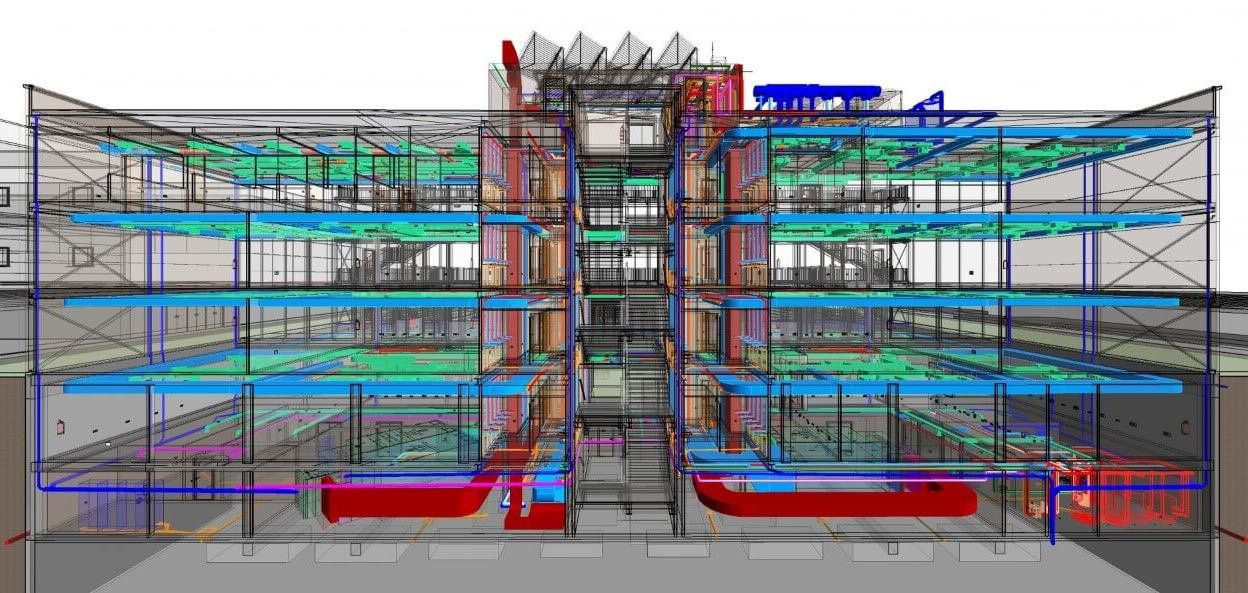
Industry Demand for BIM Civil Engineers
- Government Projects: India is pushing for BIM adoption in Smart Cities and Metro projects.
- Infrastructure Giants: L&T, Afcons, and Shapoorji Pallonji actively seek BIM-trained engineers.
- Global Firms: AECOM, Atkins, and Arup recruit civil engineers with Revit, Navisworks, and BuildingSMART certifications.
💡 Civil engineers who add BIM to their CV gain access to premium job roles that were previously reserved for architects or project managers.
🚀 Want to increase your salary prospects as a civil engineer? Join our BIM Certification Programme tailored to infrastructure and civil engineering workflows. Gain industry-ready skills and global recognition.
Career Pathways After Learning BIM
- Civil BIM Engineer: Entry-level role in modelling and documentation.
- BIM Coordinator: Manages clash detection and interdisciplinary coordination.
- BIM Manager: Leads digital strategy across projects and teams.
- Project Manager with BIM Expertise: Oversees cost, scheduling, and construction phases with BIM integration.
Each step brings higher responsibility, international exposure, and salary growth.

How Fast Can BIM Impact Salary?
- Fresh Graduates: Gain a competitive edge immediately, often starting at higher salary bands.
- Mid-Career Engineers: Adding BIM skills can lead to salary jumps within 6–12 months as firms transition into digital workflows.
- Senior Engineers: With BIM management expertise, professionals can move into leadership roles globally.
Final Thoughts
For civil engineers, BIM is not just a software—it’s a career catalyst. By equipping yourself with BIM skills, you make yourself indispensable to firms, unlock higher salaries, and gain global mobility.
If you’re asking whether BIM is worth it, the industry trend gives a clear answer: Yes, BIM skills directly increase salary and accelerate career growth for civil engineers.
FAQs
Q1. By how much can BIM increase a civil engineer’s salary?
On average, 15–30% higher than non-BIM engineers, depending on certification and role.
Q2. Is BIM relevant only for architects?
No, BIM is equally vital for civil, structural, and MEP engineers in infrastructure projects.
Q3. Do fresh graduates benefit from BIM courses?
Yes. BIM-trained graduates often get faster placements and higher starting salaries.
Q4. Which BIM tools should civil engineers learn?
Revit, Navisworks, Infraworks, and Tekla are highly valued in the civil engineering domain.
Q5. Is BIM in demand outside India?
Yes. Countries like UAE, Singapore, and UK have BIM mandates, increasing global opportunities.




.png)