


Career Growth in the Traditional vs BIM Industry
You’ve worked on or want to work on infrastructure projects like highways, railways, metros, and bridges, but still find yourself struggling with coordination, structural clarity, or communication, despite your dedicated efforts. If you’ve ever wished for a clearer, more structured career path, one that lets you work with smart tools and collaborate more effectively on-site! Then BIM might just be the path you’ve been waiting for.
In this blog, we will explore how career growth in the traditional engineering industry compares to the rapidly evolving world of BIM, and how you can make an informed choice for your future.
How BIM Bridges the Digital Gap in Civil Engineering
Civil engineers enter the field, trained in site execution, structural planning, and estimation. These are the skills that have contributed to the world we surround ourselves with today. However, after spending time on-site, many civil engineers begin to feel drained by recurring blunders, coordination delays, and inefficiencies beyond their control.
The Indian government is increasingly mandating BIM for public infrastructure initiatives, be it religiously sacred projects like Ram Mandir, or high-tech airports, metro systems and smart city developments. (Royal Institution of Chartered Surveyors) RICS states 95% of Indian firms have invested in BIM software or plan to do so imminently. (RICS-accredited degrees are recognised by the Government of India as well as abroad).
If you’re an engineer who enjoys logical problem-solving, automation or has a budding interest in programming, here’s some good news: you can integrate those interests into your career, and the industry is in demand for such roles.
This is where BIM (Building Information Modelling) comes in—not just as a tool, but as a mindset shift. It’s a digital environment that empowers civil engineers to coordinate better, reduce errors, automate calculations, and simulate real-world conditions long before breaking ground.
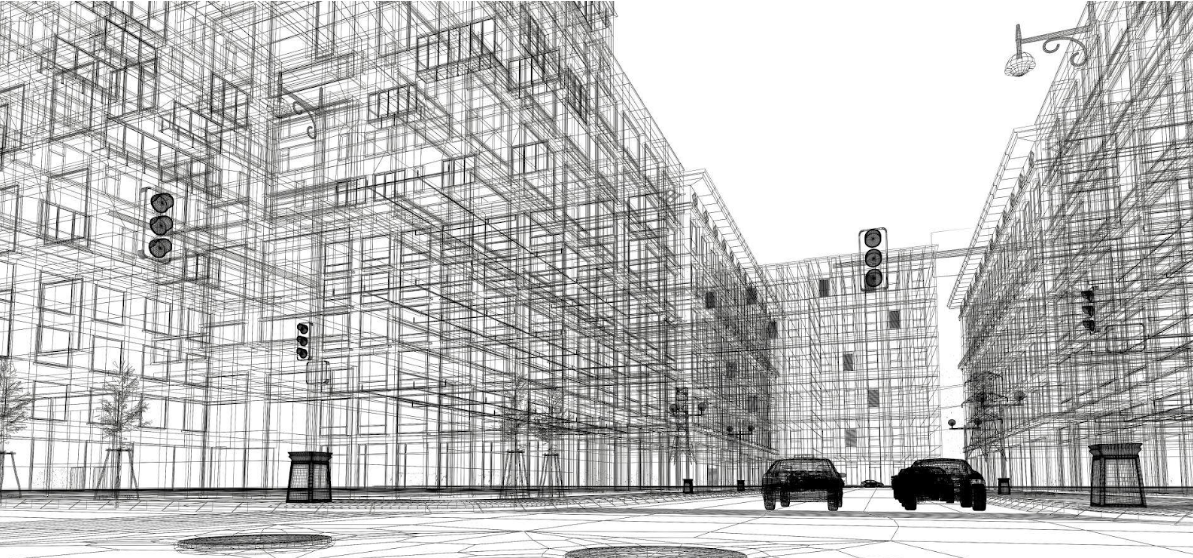
While fields like automotive and aerospace have long embraced innovation, with Research and Development spending at 3.5–4.5% of revenues, the construction sector lags, investing less than 1%. This slow rate of digitalisation leaves a huge opportunity gap for professionals ready to innovate. By upskilling in advanced computational tools like Revit, Civil 3d, Dynamo, and ReCap Pro, civil engineers can not only increase their relevance in the market but also build a more predictable, fulfilling career path.
Why BIM is Gaining Ground?
At its core, BIM (Building Information Modelling) uses a 3d model that integrates detailed information about a building’s physical and functional characteristics, aligning perfectly with the increasing role of data in construction and design.
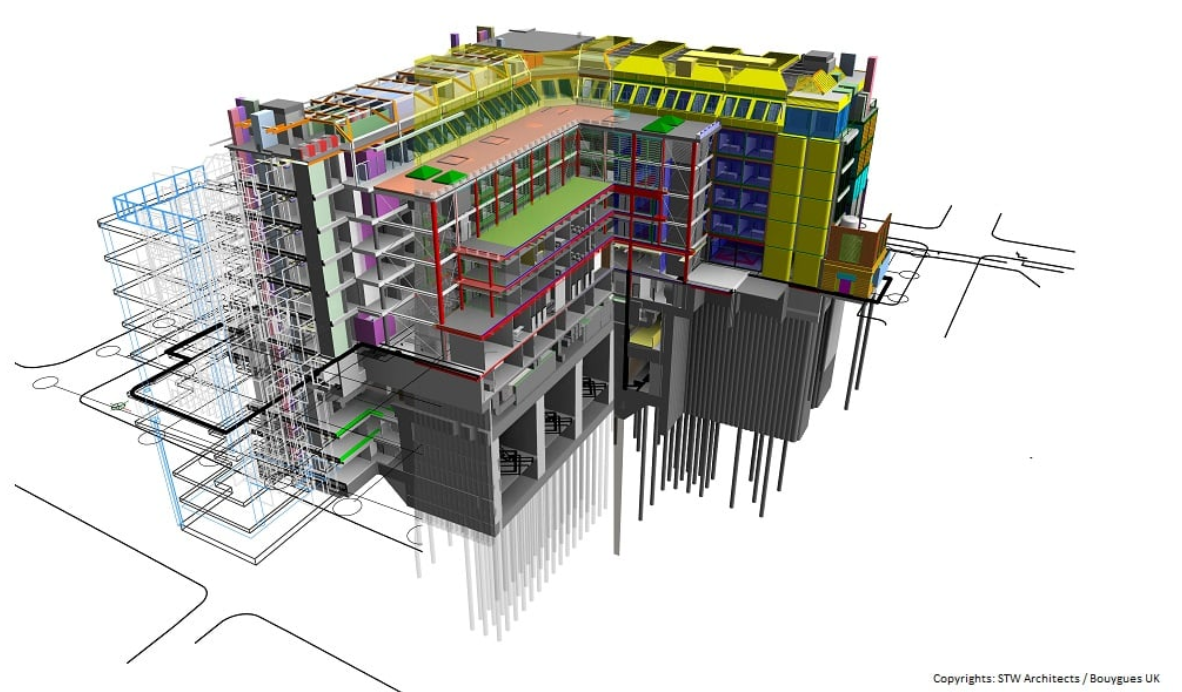
Digitalisation has fundamentally changed the demands placed on engineering professionals across the industry. With technology at our fingertips, BIM facilitates rapid updates and insights that were previously unattainable. It fosters a data-rich digital environment where engineers, architects, and contractors can collaborate seamlessly throughout a project’s lifecycle - from planning to post-construction maintenance. Here’s how BIM gives civil engineers a significant edge:
1. Real-time Collaboration and Coordination:
Engineers can avoid on-site conflicts by detecting clashes between civil, structural, and MEP systems during the design stage, saving money and preventing rework.
2. Quantity Take-Offs and Cost Estimation:
Working on BOQ and cost estimations is no longer a tedious task, as it's directly calculated from the updated parametric 3d model. Where data in terms of dimensions, sizes, and layers is fed in detail to the 3d model. This technology is of great help to the industry and to the professionals interested in adapting to technical advancements. Benefiting the industry will also keep them ahead of the times in their career growth journey.
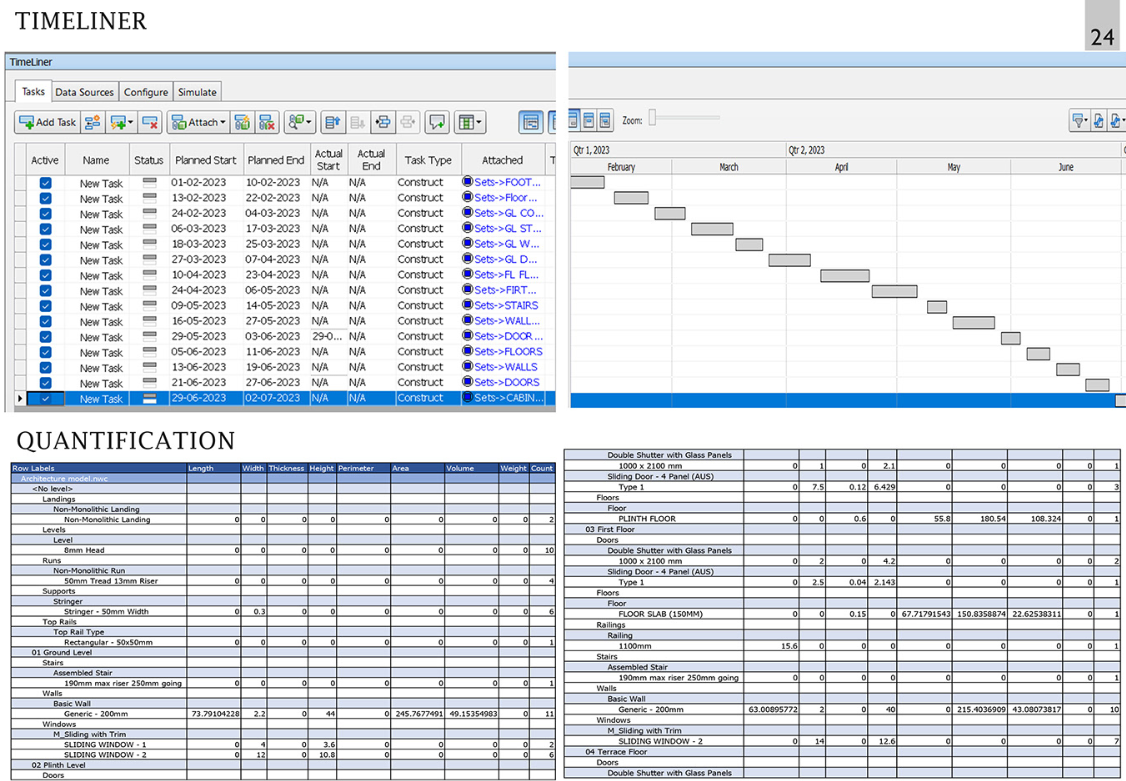
BIM has allowed AEC professionals to work in 5d, which means it has made calculating the cost factor easier, as all of the required information is fed into a 3d BIM model, and BIM Engineers can track real-time cost impacts of changes made in design.
3. Site Planning and Construction Sequencing:
Coordination with labour, equipment, and material deliveries is an act of juggling, especially on large-scale sites. The digital twin of the site structure allows civil engineers to stimulate the entire construction sequence using tools like Navisworks Timeliner. It helps engineers to visualise when and where activities take place, anticipate bottlenecks, and ensure safety protocols are in place. This level of foresight via 4d BIM improves the site logistics, time management and risk mitigation and compliance.
4. Better Infrastructure Modelling:
From roads and bridges to water and drainage networks, BIM tools like Autodesk Civil 3d offer precise alignment, grading, and utility modelling, supporting better decision-making.
BIM tools like Civil 3d, ReCap Pro and Navisworks allow you to:
- Model terrain and road profiles with real-world Geographic Information System data
- Simulate traffic and pedestrian flow
- Analyse utilities, flood risk, and slope stability
This results in more efficient and context-sensitive design solutions.
5. Energy performance simulations:
With plug-ins that support green building certification standards, engineers can make informed decisions that reduce energy consumption, meet sustainability standards, and lower the building's environmental footprint before construction even begins.
6. Lifecycle Maintenance & Smart Infrastructure:
What happens after construction? Maintenance is where many traditional civil engineering projects struggle.
BIM supports Facility and Asset Management by embedding data like component lifespan, inspection schedules, and manufacturer details into the model. This makes it easier for city officials or facility managers to plan for:
- Preventive maintenance
- Energy efficiency upgrades
- Eventual demolition or retrofitting
For smart cities, BIM lays the foundation for digital twins—real-time digital counterparts of physical infrastructure. These capabilities make BIM not just a modelling tool, but a comprehensive digital ecosystem that supports sustainable, cost-effective, and timely project delivery.
For smart cities, BIM lays the foundation for digital twins—real-time digital counterparts of physical infrastructure. These capabilities make BIM not just a modelling tool, but a comprehensive digital ecosystem that supports sustainable, cost-effective, and timely project delivery.
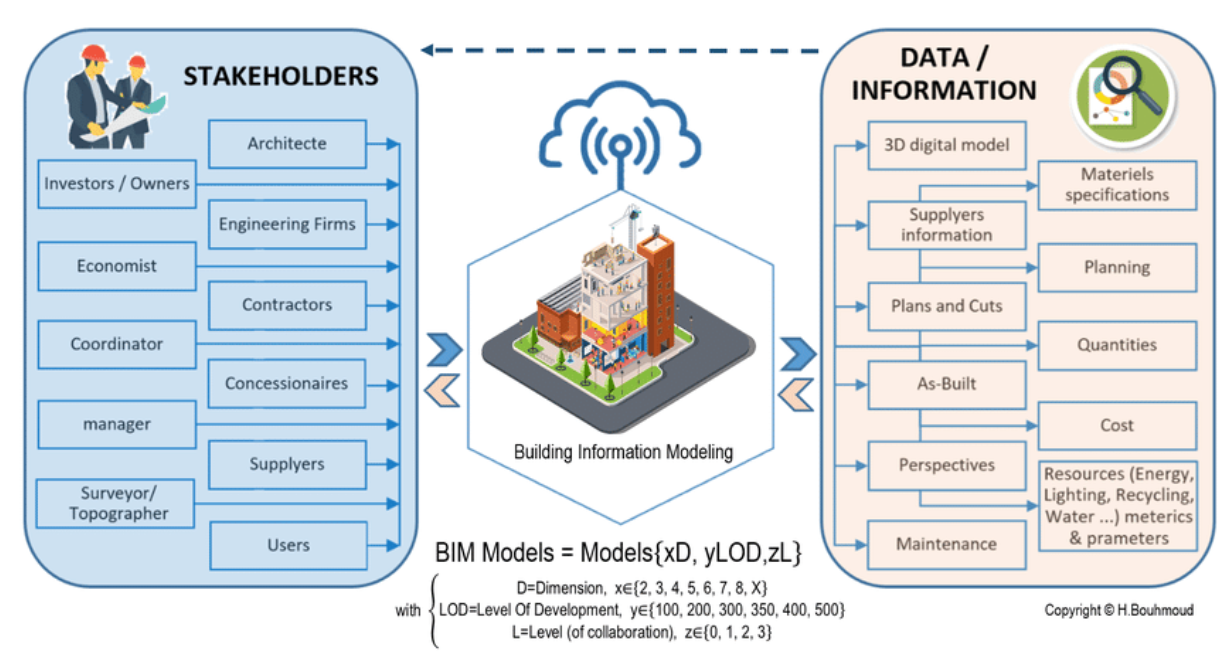
Now that we’ve seen the key benefits of BIM, here’s how it compares to traditional engineering workflows across different career roles:
Traditional Civil Practice vs. BIM: A Career Ladder Comparison
_1745400458642.png)
Salary Growth Comparison: Why This Matters for You?
In traditional roles, career progression is often tied to years of site experience, vendor networks, and dealing with manual change management. In a BIM environment, your growth is more skill-based; you can climb faster by learning tools like Civil 3d, Navisworks, InfraWorks, Revit, and Dynamo.
More importantly, Building Information Modelling is opening doors to projects across the globe. Firms like AECOM, L&T, Jacobs, and WSP are actively hiring BIM-enabled engineers for large-scale infrastructure, transport, and smart city projects.
_1747900234608.png)
Kaarwan's Free Career Counselling Helpline
Conclusion
Whether you’re a fresher looking to enter the industry with an edge or a mid-career engineer stuck in site cycles! BIM gives you a toolkit to grow without needing to start from scratch. Your field knowledge is still your strongest asset. BIM workflow just amplifies it through digital delivery. Simply by building on that legacy and giving tools to do it faster, smarter, and in collaboration with global teams.
BIM workflow simply packs your day-to-day operations into a digital workflow, which is nowadays being given the buzzword of Automation.
For many engineers looking to scale their work in specific niches, it comes with growing with large organisations, which are mostly supported by several employees working for them. To match the delivery rate, revisions and not be left behind when it comes to site coordination meetings, what we need is an upgraded system that allows you to streamline tasks, automate processes, and stay competitive in a rapidly evolving industry.
The Best Time to Shift? Is Now
Kaarwan has already guided 44,600 AEC professionals on the journey to ace their careers. With the right mentorship and hands-on experience of working on real-world projects, your BIM journey can begin with confidence.
BIM isn’t just the future. It’s already here—and it’s yours to master.


.png)