Computational Designer vs Technical Architect vs Industrial Designer vs Urban Planner vs BIM Coordinator vs MEP Engineer
Understanding the roles shaping today’s built environment.
Architecture is no longer a single-track profession. The industry now thrives on specialisation — from parametric modelling experts to city-scale planners and digital coordinators. If you’re exploring your career options, here’s a clear breakdown of six roles that are becoming increasingly important.
Computational Designer
What They Do: Computational designers use algorithms, scripts, and data-driven tools to generate complex forms, optimise buildings, and solve spatial problems.
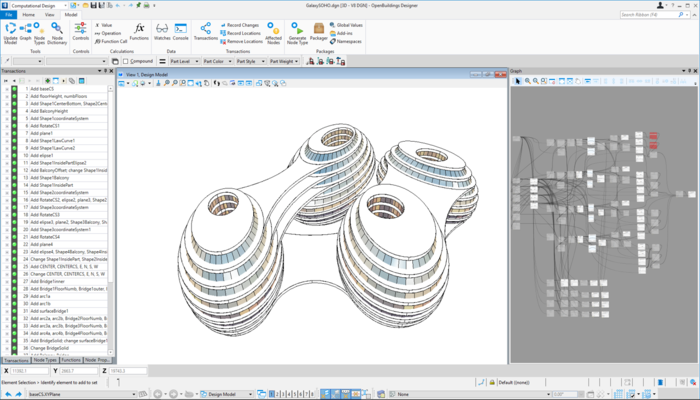
Key Responsibilities:
- Create parametric models (Rhino + Grasshopper)
- Run environmental/structural optimization
- Develop generative design systems
- Collaborate with architects, engineers & fabricators
Where They Work:
- Zaha Hadid Architects
- BIG (Bjarke Ingels Group)
- MAD Architects
- Digital fabrication studios
Tools: Grasshopper, Rhino, Python, Dynamo, Blender, Houdini
Technical Architect
What They Do: A Technical Architect focuses on the execution side of architecture — working drawings, specifications, details, materials, and site coordination.

Key Responsibilities:
- Produce construction documentation
- Resolve technical issues in detailing
- Coordinate structure + MEP with architecture
- Ensure code compliance & buildability
Where They Work:
- Architecture firms (execution teams)
- Design & build companies
- Construction management teams
Tools: AutoCAD, Revit, Navisworks, BIM 360
Industrial Designer
What They Do: Industrial designers create products, not buildings — merging ergonomics, manufacturing, material science, and aesthetics.

Key Responsibilities:
- Design consumer products (furniture, appliances, lighting)
- Prototype testing, usability & ergonomics
- Material research & manufacturing integration
- CAD-driven product development
Where They Work:
- Product design studios
- Furniture companies
- Manufacturing firms
- Tech companies (Apple, Samsung, Dyson)
Tools: SolidWorks, Fusion 360, KeyShot, Rhino
Urban Planner
What They Do: Urban planners work at the city and regional scale, focusing on land use, infrastructure, transportation, and sustainability.
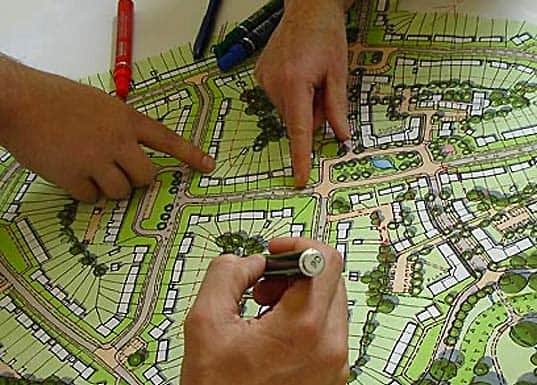
Key Responsibilities:
- Create zoning & land-use plans
- Transit-oriented development (TOD)
- Urban policy & regulatory frameworks
- Public space planning
Where They Work:
- Government planning departments
- Urban design firms
- Smart city consultancies
- Development authorities
Tools: GIS, AutoCAD, Revit, SketchUp, ArcGIS, QGIS
BIM Coordinator
What They Do: A BIM Coordinator manages digital models across disciplines — making sure architecture, structure, and MEP systems merge without clashes.
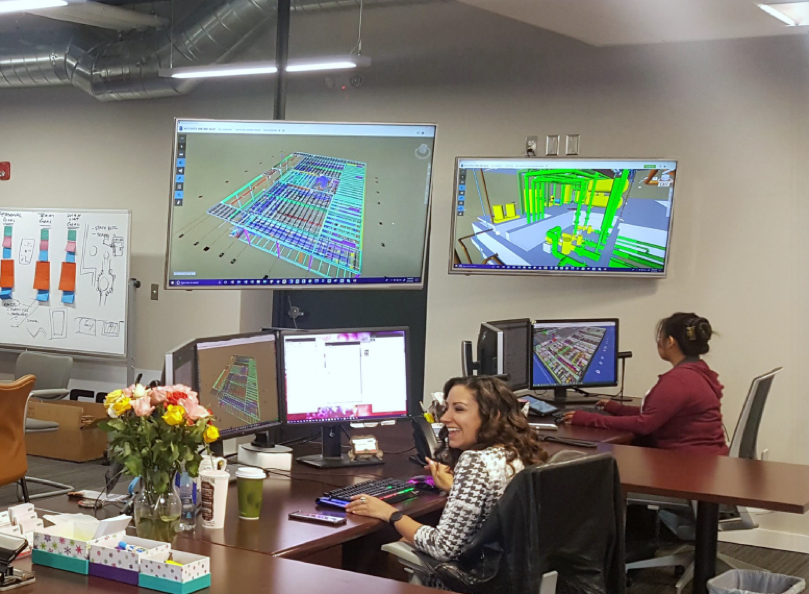
Key Responsibilities:
- Maintain BIM standards & naming conventions
- Run clash detection
- Coordinate drawings with all consultants
- Manage cloud-based workflows
Where They Work:
- Large architecture firms
- EPC companies
- Construction management firms
- BIM outsourcing companies
Tools: Revit, Navisworks, BIM 360, Solibri
MEP Engineer
What They Do: MEP engineers design the Mechanical, Electrical, and Plumbing systems that make buildings functional and safe.

Key Responsibilities:
- HVAC design
- Electrical loads & wiring plans
- Plumbing & drainage design
- Fire systems & smoke control
Where They Work:
- Engineering consultancies
- MEP contracting firms
- Integrated project delivery firms
Tools: Revit MEP, AutoCAD MEP, Carrier HAP, Dialux, Elite Fire
🔍 Quick Comparison Table
| Role | Focus Area | Scale | Key Output | Best For |
|---|---|---|---|---|
| Computational Designer | Algorithms & forms | Building + product | Parametric models | Creative + tech-driven minds |
| Technical Architect | Construction & detailing | Building | Working drawings | Detail-oriented thinkers |
| Industrial Designer | Product design | Object | Prototypes | Those who enjoy hands-on design |
| Urban Planner | Cities & infrastructure | City/Region | Master plans | Big-picture strategists |
| BIM Coordinator | Digital integration | Building | Model coordination | Tech + management roles |
| MEP Engineer | Building systems | Building | HVAC/Plumbing/Electrical | Engineering-focused minds |
Final Thoughts
Architecture today isn’t limited to designing buildings — it’s a broad ecosystem of specialists. Whether you're analytical, artistic, technical, or managerial, there’s a niche that aligns with your strengths.
Choosing the right path can open opportunities across design, construction, product development, urban systems, and digital coordination.
🎓 Build Your Specialisation with Kaarwan
Want to confidently step into these modern architecture roles?
Kaarwan’s expert-led courses help you gain real industry-ready skills, including:
- BIM & Revit
- Computational Design
- Urban Design Basics
- Construction Detailing
- Portfolio & Career Development