

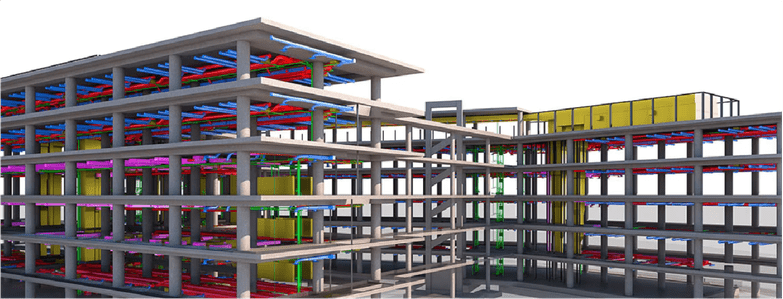
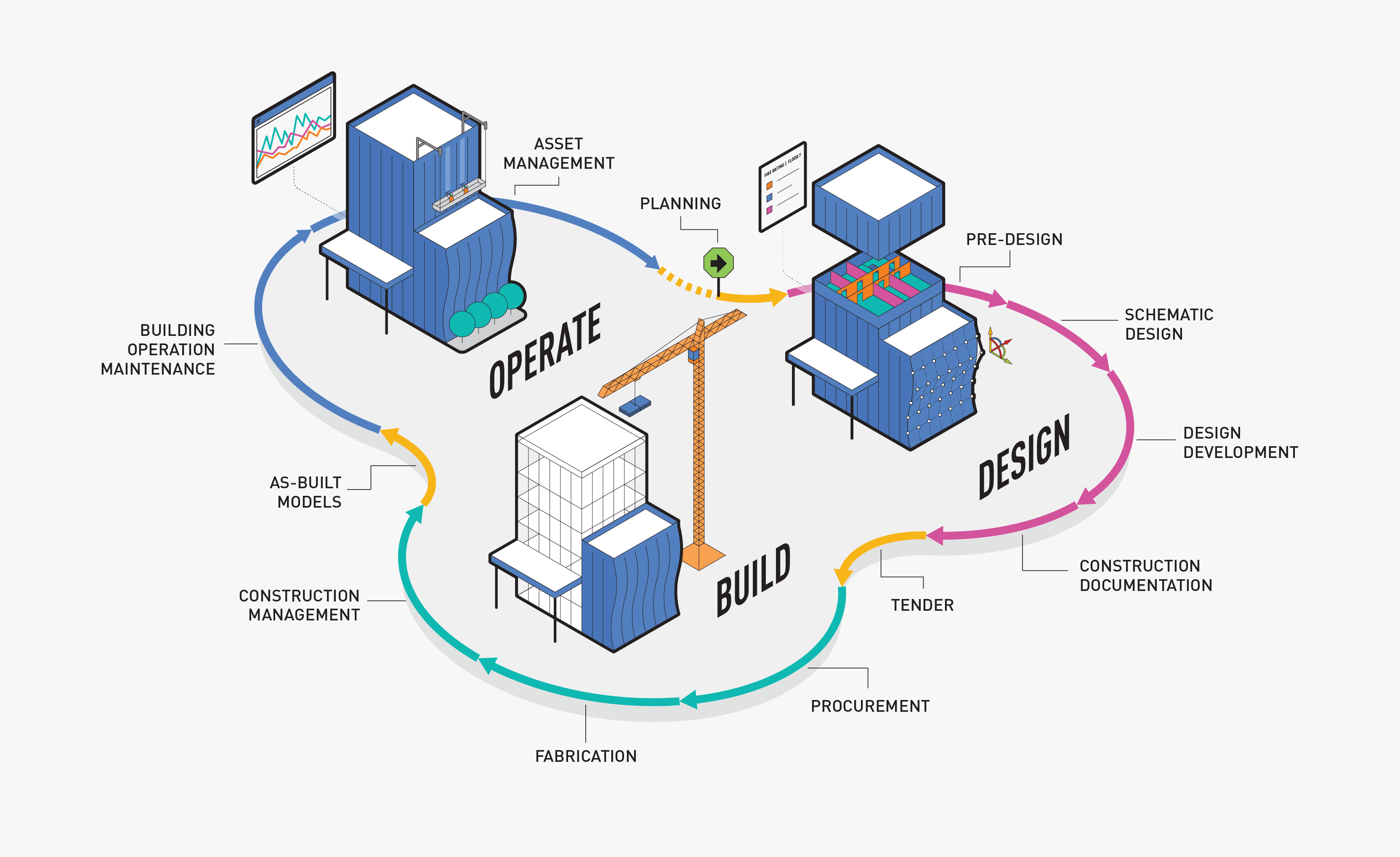
In today’s fast-evolving construction industry, Building Information Modelling (BIM) is no longer just a buzzword—it’s becoming an essential skill. For civil engineers, BIM goes beyond 3D modelling; it’s about managing data, improving collaboration, and enhancing project efficiency from design to execution.
However, not all BIM courses are created equal. If you’re investing time and money into developing this skill, you need to know what to look for in a course that will genuinely advance your career.
7 key things civil engineers should consider before enrolling in a BIM program:
1. Industry-Relevant Curriculum
A quality BIM course should go beyond the basics of software operation. Civil engineers need training that covers:
- BIM processes and standards (e.g., ISO 19650)
- Integration with civil infrastructure projects like roads, bridges, drainage, and utilities
- Understanding Level of Detail (LOD) requirements
- Real-world case studies from infrastructure projects, not just buildings
2. Software Proficiency in Industry Standards
Look for courses that teach the software actually used in the field:
- Autodesk Civil 3D for civil design
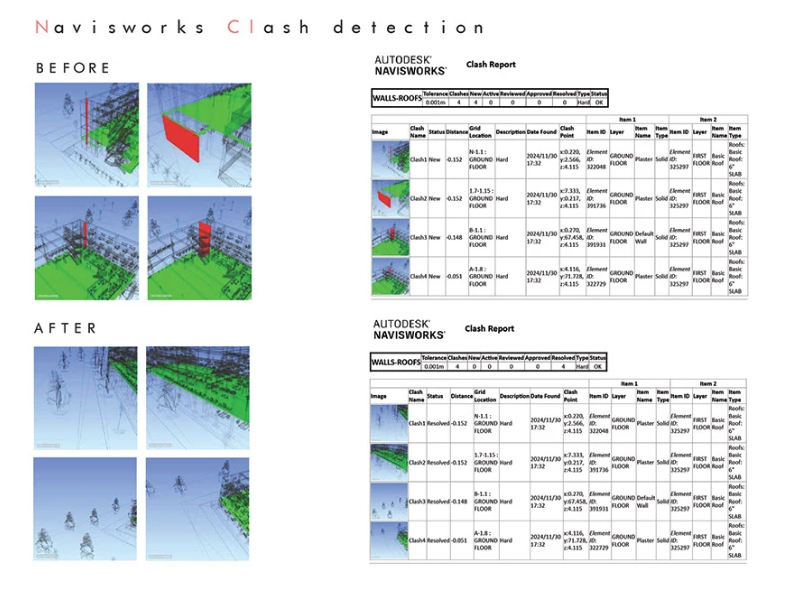
- Navisworks for coordination and clash detection
- Revit for Structural Integration: The course should also include interoperability skills, demonstrating how to link and manage data between platforms.
3. Hands-On Project Work
Theory is great, but civil engineers learn best by doing. A good BIM course should include:
- Practical assignments on realistic infrastructure models
- End-to-end workflows from concept to construction documentation
- Opportunities to simulate real project challenges like phasing, scheduling, or clash detection
4. Experienced Instructors with Industry Background
BIM is about solving real problems, not just clicking buttons. Choose a course taught by:
- Instructors who have worked on actual infrastructure projects
- Professionals who can share lessons learned, not just textbook methods
- Mentors who can give feedback tailored to civil engineering contexts
5. Focus on Collaboration and Data Management
Civil engineers rarely work in isolation—BIM is as much about teamwork as it is about design. Your course should teach:
- How to collaborate in Common Data Environments (CDEs)
- File management and model sharing protocols
- Coordination between architects, MEP engineers, and contractors
6. Certification and Industry Recognition
Check if the course offers:
- Certificates aligned with recognized BIM authorities
- Accreditation by professional bodies (like RICS, ICE, or Autodesk)
- Recognition that can strengthen your CV and LinkedIn profile
7. Future-Ready Skills
BIM is evolving quickly. A valuable course should introduce you to:
- 4D and 5D BIM for time and cost integration
- Use of GIS-BIM integration in civil projects
- Basics of Digital Twins and how they relate to infrastructure management
Final Thoughts
For civil engineers, BIM isn’t just a tool—it’s a competitive advantage. A well-chosen BIM course can make you a sought-after professional capable of delivering smarter, faster, and more sustainable projects. Take the time to evaluate the course structure, teaching methods, and real-world relevance before committing.
If you find the right fit, you’ll gain more than just software skills—you’ll develop a mindset that embraces collaboration, data-driven design, and the future of civil infrastructure.
FAQs
Is BIM useful for civil engineers?
Yes. BIM helps civil engineers manage infrastructure projects more efficiently, from planning and site logistics to quantity take-offs and clash detection.
Which BIM course is best for civil engineers?
A good course should cover industry-relevant software like Revit, Navisworks, Civil 3D, and focus on workflows for roads, bridges, and utilities.
Do civil engineers need to learn Revit or Civil 3D?
Revit is often useful for structural coordination, while Civil 3D is key for site design, grading, and infrastructure modelling.
Can a site engineer become a BIM expert?
Absolutely. With structured training in BIM tools and processes, site engineers can upskill into BIM coordination, project planning, and digital construction roles.
What topics should a BIM course for civil engineers cover?
Key topics include BIM fundamentals, clash detection, 4D scheduling, quantity take-offs, collaboration in CDEs, and discipline-specific modelling.



.png)