MEP Engineering in 2026 ≠ MEP Engineering in 2016
MEP Engineering is not just a quiet, behind-the-scenes discipline anymore as it once was. Between 2016 and 2026, the industry has also undergone a massive infrastructural transformation that’s driven by technology, sustainability, AI integration, automation, BIM adoption and the way buildings now connect and perform.
If you are an architecture or engineering student, getting acquainted with this evolution is crucial. Here is a quick breakdown of how MEP Engineering has changed in just ten years and what 2026 is adding as the final tier.
Designs Are Now Performance-Driven, Not Just Service-Driven
2016:
MEP engineers focused mainly on:
- Providing cooling/heating
- Ensuring electrical loads
- Managing water supply and drainage
2026:
The goal is to develop building performance optimisation:
- Indoor air quality and occupant well-being
- AI-optimised comfort systems
- Energy reduction and net-zero carbon goals
- Resilient, future-proof infrastructure
- Carbon neutrality with embodied carbon ratio
HVAC is not just air conditioning anymore; it’s more like climate engineering, and in 2026, it is AI-driven climate engineering.
BIM Is No Longer Optional — It Is the Foundation (2026 Edition)
2016:
While AutoCAD was the primary tool, MEP was confined to 2D lines, layers and symbols.
2026:
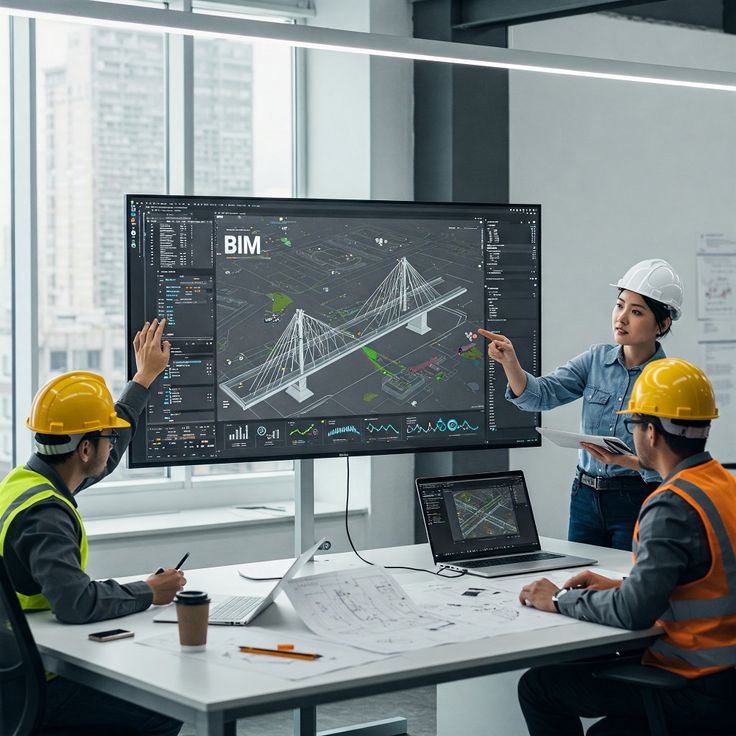
- MEP teams work efficiently with Revit MEP and Navisworks
- Clash detection is automated and AI-backed
- Coordination is digital, real-time and cloud-based
- BOQs and fabrication drawings are directly coordinated by MEP BIM models
- ISO 19650 is the international standard that defines how BIM is managed and delivered
- Every wire, pipe, and duct is modelled with intelligence
- Ai-powered BIM plugins like Verifi3D, Revitzo, Autodesk Generative Design) automate validation, clash resolution and routing.
- BIM adoption for MEP design has increased by 20% over the past three years.
MEP Engineers today must be BIM-literate and fluent in AI in order to stay relevant.
HVAC Has Evolved with Health, Sustainability, and AI
2016:
Traditional cooling systems took the industry by storm, with the energy stores being limited. IAQ was also not mainstream.
2026:
- Mandatory fresh air standards were implemented after the post-pandemic era and are now being embedded in codes
- Green building certifications, including LEED, IGBC, and WELL, are being mandated increasingly and are no longer optional.
- AI-fueled HVAC load calculations consider real-time weather, occupancy sensors and device heat, which enables 20-30% energy savings.
- Heat pump electrification is already replacing gas-powered boilers in commercial and institutional buildings.
- Liquid cooling is walking into building design vocabulary, along with traditional air cooling.
- Heat recovery ventilation is quite standard with ERV systems reducing the energy by up to to 18%.
- Smart sensors managing air quality, humidity, and occupancy are now feeding AI optimisation engines.
- Energy-efficient VRF/VRV systems are more and more AI-optimised for dynamic load transfer.
HVAC in 2026 is the amalgamation of mechanical engineering, health engineering and applied Artificial Intelligence.
AI and Digital Twins Are Redefining How MEP Engineers Work
This is the most talked-about new dimension of MEP engineering in 2026. This is the era where AI is no longer experimental and is a crucial design tool.
AI in MEP Design
- Generative Design: Autodesk’s Generative Design module automatically generates thousands of design iterations based on constraints such as space, sustainability, and cost.
- AI-assisted routing: Plugins automate HVAC ductwork routing, electrical circuit layout and plumbing network path optimisation directly inside Revit MEP.
- Intelligent load calculations: AI analyses weather forecasts, real-time occupancy data, and device usage patterns to size systems more precisely than any manual technique.
- Collaborative AI: Engineers are now working with AI tools trained on company knowledge to accelerate design systems and improve consistency across multiple teams.
Digital Twins
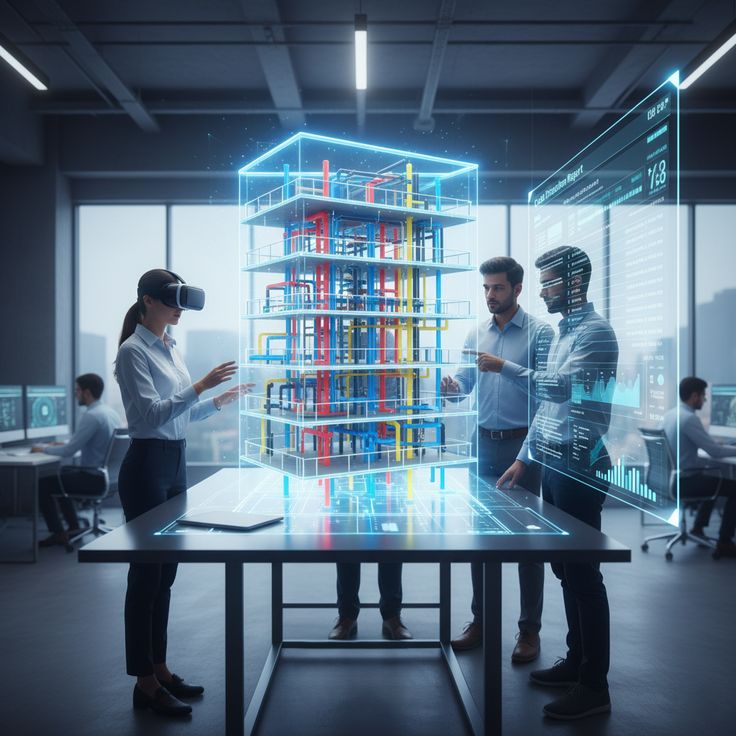
- A digital twin is a live, AI-fueled virtual twin of a building’s MEP systems that are being continuously updated with real sensor data.
- Digital twins help enable real-time performance monitoring, clash detection, predictive mitigation and operational optimisation throughout a building’s entire lifecycle.
- The global digital twin market is anticipated to grow at approximately 65% CAGR, and the adoption curve is expected to steeply accelerate in 2026.
- Firms utilising digital twin-integrated predictive maintenance report up to 20% improvement in asset lifecycle efficiency.
Key AI Tools MEP Engineers Use in 2026
- Autodesk Generative Design offers multiple options for generative layouts
- Verifi3D offers AI-powered rule-based BIM model validation
- Revitzo offers real-time MEP coordination and clash tracking
- Spacemaker/TestFit offers AI space planning with MEP considerations
- AI plugins for Revit MEP offer automated ductwork and circuit routing.
The modern MEP engineer is a designer, data analyst and AI collaborator all in one.
Electrical Engineering: Smart Power, Data Centers, and Cybersecurity
2016:
Lighting, power circuits and backup systems. This is where data security ends.
2026:
- IoT devices in every room, including sensors, automation, security and access control integration.
- EV charging infrastructure is standard in commercial parking and mixed-use developments.
- Solar + battery storage systems integrated into building electrical design.
- Smart grid-ready buildings with active load management.
- Low-voltage systems are taking control over commercial design.
- MEP electrical for AI data centres are a specialised, fast-growing vertical requiring power redundancy planning, high-density electrical load. management, and liquid cooling system integration.
- 77% of new projects in 2026 need BACnet-compatible building automation.
- Copper price volatility (USD 5+ per round) rightly impacts electrical MEP cost planning.
Electrical engineers in 2026 design intelligent power ecosystems and not just simple (but complicated-looking) wiring diagrams.
Plumbing Is Now About Water Efficiency, Reuse, and Smart Monitoring
2016:
Mostly supply and drainage design.
2026:
- Greywater recycling and rainwater harvesting are now code-required in multiple jurisdictions.
- Low-flow fixtures and vacuum systems in high-efficiency buildings.
- Digital leak detection and smart meters with IoT water monitoring.
- Automated plumbing reports are emerging as a standalone maintenance service.
- Data centre water reuse includes facilities increasingly using reclaimed greywater or treated water for cooling tower makeup, which is an MEP design consideration in hyperscale builds.
Plumbing is now a part of the sustainability backbone and the smart operations layer of the built form.
MEP Engineers Now Work with Data, AI, and Digital Intelligence
2016:
MEP design = manual load calculations + CAD drafting.
2026:
MEP engineering is now equivalent to simulation, analytics, AI, automation, digital twin management, and performance monitoring.
Tools and platforms in active use:
- HAP (Carrier) focuses on load calculations and energy modelling.
- Dialux Evo focuses on advanced lighting simulation.
- ANSYS/CFD rules help with airflow and thermal stimulation.
- Autodesk Twin Platforms help with live operational performance monitoring.
- Verifi3D, Revitzo is an AI-backed BIM validation and coordination.
- Digital twin platforms help with live operational performance monitoring.
- IoT dashboards help with real-time building system analytics.
- Predictive maintenance platforms help with AI-driven failure forecasts.
Modular and Prefabricated MEP: The Future of Construction Delivery
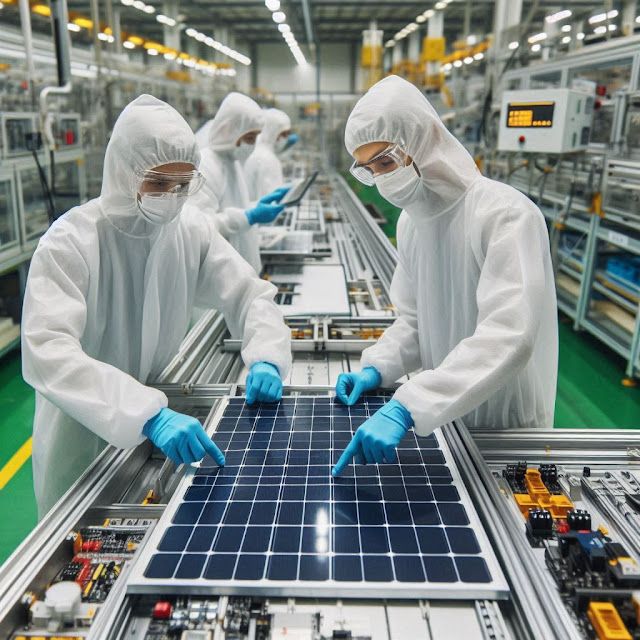
One of the most significant industry shifts of 2026 is the foundation of the adoption of off-site MEP implementation. This is no longer a niche strategy, and it is becoming a standard practice across the commercial, industrial and data centre projects.
What Is Modular MEP?
Prefabricated MEP involves assembling electrical, mechanical and plumbing components off-site in a restricted factory environment. These pre-built assemblies are later taken to the job site and put together for a fast and precise installation.
Why It Matters in 2026?
- 35% of MEP projects internationally are now utilising modular systems, which have increased significantly from just a couple of years ago.
- Project timelines are shortened by up to 25% when put against traditional on-site build
- Addresses the skilled labour shortage by creating a focused experience in factory environments
- Multi-trade prefabricated racks put ductwork, piping, electrical conduit and fire sprinkler pipe into a single, pre-built, pre-tested unit.
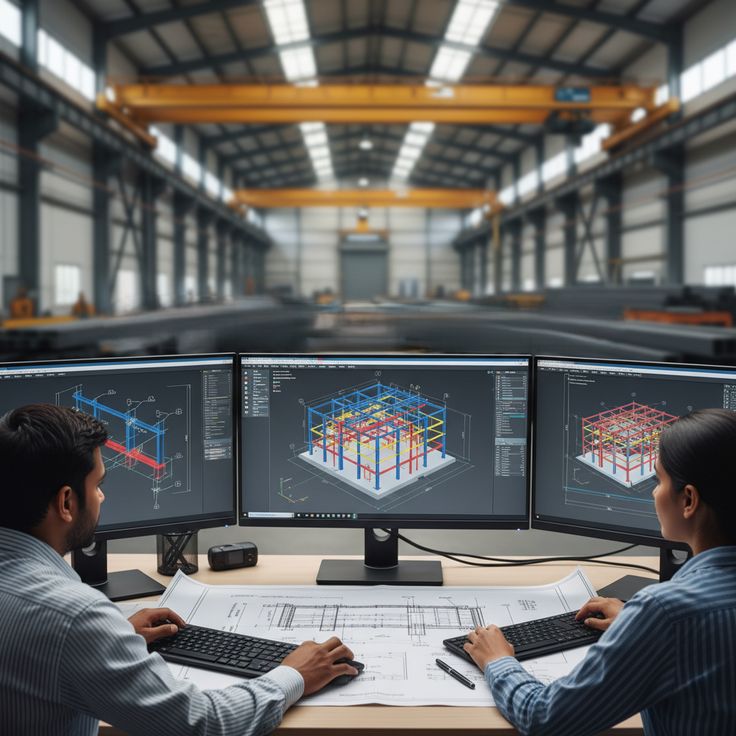
- BIM models flow directly into fabrication software, which eliminates manual redrawing and reduces errors
- Reduces construction waste and decreases the embodied carbon in MEP systems.
In the year 2026, MEP contractors who work like manufacturers are gaining a competitive edge with standardised, data-driven, and continuously improving production workflows.
Coordination Between MEP and Architecture Is Now Seamless — and Fabrication-Ready
2016:
Site conflicts were common. Clashes like :
- ducts hitting beams
- pipes clashing with ceilings
- electrical routing interfering with the structure
would often be noticed.
2026:
- BIM coordination and AI-assisted clash detection identify problems before a single piece of material is ordered.
- Cloud collaboration platforms help architects, structural engineers and MEP teams to share a single live model simultaneously.
- Prefabricated assemblies further close the gap between design coordination and physical installation.
- Design teams do not hope for coordination; they guarantee it, and now they work on fabricating it.
Cybersecurity: The New MEP Engineering Responsibility
Smart buildings in 2026 are sort of intertwined. HVAC, lighting, fire alarms, access control and energy management systems all connect over IP networks, and MEP engineers are the ones creating those systems.
Why MEP Engineers Must Think About Cybersecurity
- The Building Management Systems are running over IP networks, creating attack surfaces that, if messed with, can disable HVAC, lighting or even fire safety systems. This could be a life-safety risk.
- Ransomware attacks in 2026 are targeting BIM models and commissioning documentation. This means locking down entire project teams out of critical design data
- Many IoT devices in smart buildings are shipped with default credentials and no update mechanism. This means that MEP systems must evaluate and specify secure devices.
- NIST cybersecurity frameworks are now affecting how building systems are developed, commissioned and specified.
It goes without saying that MEP engineers are not expected to be cybersecurity experts, but in 2026, they are expected to design systems with security as a condition in mind. This will also help them in specifying the segmentation between OT and IT networks, secure remote access and strong device authentication.
Final Thoughts
MEP Engineering in 2026 is smarter, cleaner, more automated and much more collaborative than it ever was before. The field has shifted from service delivery to performance science and from manual coordination to AI-assisted, digitally fabricated, cyber-aware building workflows or systems.
For engineers and architects, this shift defines:
- Better buildings that were designed by AI, validated by BIM and delivered by prefabrication
- Better collaboration that happened through shared digital models and cloud platforms
- Better performance that was monitored by digital twins and maintained by predictive AI
However, for students, 2026 is not just the time to learn BIM and sustainability, it is also the time to add AI literacy, digital twin awareness and modular construction thinking to your skill set. Truth is, this is where the industry is, and where it is heading with full force.
So why don't you start today?
FAQs
1. What is MEP engineering in 2026?
It focuses on smart, AI-driven, and sustainable building systems.
2. How has MEP changed since 2015?
It has shifted from CAD drafting to BIM, AI, and data-driven design.
3. Why is BIM important for MEP?
It enables real-time coordination, clash detection, and accurate modelling.
4. What role does AI play in MEP?
AI automates design, improves efficiency, and enables predictive maintenance.
5. What is a digital twin?
A live virtual model used to monitor and optimise building performance.
6. How is HVAC evolving?
It now focuses on air quality, energy efficiency, and AI-based optimisation.
7. What is modular MEP?
Pre-built MEP systems assembled off-site and installed on-site.
8. Why is sustainability important in MEP?
It reduces energy use, carbon footprint, and improves building performance.
9. What skills are needed for MEP engineers in 2026?
BIM, AI tools, digital twins, and sustainability knowledge.
10. Why is cybersecurity important in MEP?
To protect smart building systems from cyber threats.