

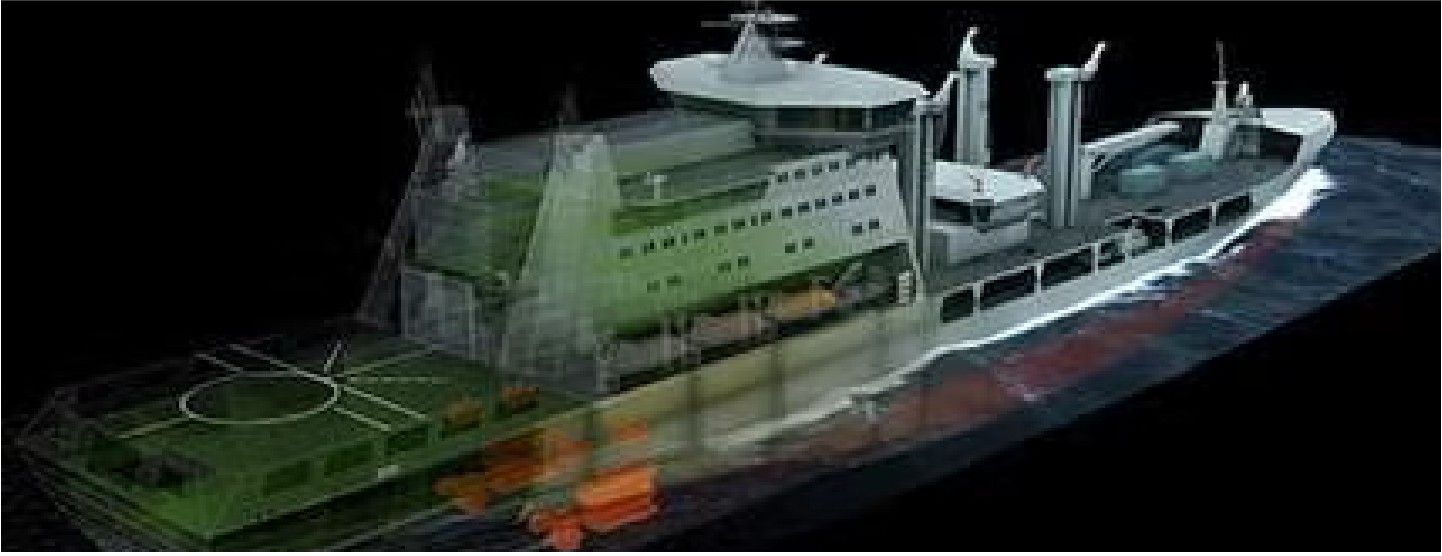
Naval and marine architecture is a specialised branch of engineering and design concerned with the planning, design, construction, and maintenance of ships, boats, submarines, and other marine structures. It blends principles of architecture, engineering, fluid dynamics, and material science, creating a field that is both technically challenging and creatively stimulating.
For AEC professionals, the field offers unique opportunities to apply spatial, structural, and design thinking in a maritime context.
_1758885396087.png)
Kaarwan GATE Architecture Crash Course 2026 with Seasoned Architects and 2025 GATE AIR 1. Prepare with Strategy to Win, not just Guesswork.
Understanding the Field
Naval architecture is not just about designing ships that float; it involves a multidisciplinary approach:
- Hydrodynamics: Understanding how water interacts with the hull, affecting speed, stability, and efficiency.
- Structural Design: Ensuring the ship withstands loads from waves, cargo, and operational stresses.
- Material Science: Selecting metals, composites, or timber to balance strength, corrosion resistance, and weight.
- Systems Integration: Incorporating propulsion, navigation, electrical, HVAC, and safety systems.
- Marine Ecology & Sustainability: Minimising environmental impact and ensuring compliance with regulations.
Marine architecture also covers offshore structures like oil rigs, floating platforms, and desalination plants, expanding the scope beyond ships to maritime infrastructure.
Eligibility and Educational Path
Academic Requirements
To pursue naval architecture, candidates generally need a background in STEM or AEC fields. Typical pathways include:
- Undergraduate Degree: B.Sc. or B.Tech in Naval Architecture, Mechanical Engineering, or Marine Engineering. For architects or civil engineers, a bridging programme or postgraduate specialisation is often required. (Check Facts on the Official Websites of Colleges and Exam Conducting Authorities for recent updates).
- B.Sc. or B.Tech in Naval Architecture, Mechanical Engineering, or Marine Engineering.
- For architects or civil engineers, a bridging programme or postgraduate specialisation is often required.
- Postgraduate / Professional Courses: M.Sc. in Naval Architecture or Marine Engineering. Short-term certifications in ship design software, CFD (Computational Fluid Dynamics), or marine systems.
- M.Sc. in Naval Architecture or Marine Engineering.
- Short-term certifications in ship design software, CFD (Computational Fluid Dynamics), or marine systems.
Skills AEC Professionals Bring
- Spatial and volumetric understanding: Useful for hull forms and interior layouts.
- Design and visualisation skills: Translating complex systems into intuitive 3D models.
- Project management: Experience in coordinating multi-disciplinary teams.
With additional training, architects and engineers can transition effectively into marine projects.
Practical Tools and Software
Naval architecture relies heavily on digital tools for design, analysis, and simulation:
- CAD Software: Rhino, AutoCAD, and CATIA for hull and structural modelling.
- CFD Tools: ANSYS Fluent, OpenFOAM for simulating water flow and resistance.
- Finite Element Analysis (FEA): For stress and load distribution on hulls and structures.
- BIM & Parametric Modelling: Useful for integrating ship systems, interiors, and prefabricated components.
For AEC professionals familiar with Revit, Rhino, or BIM workflows, transitioning to parametric ship design is conceptually similar, though the physics of fluids and marine systems adds complexity.
Job Scope and Career Opportunities
Naval and marine architecture offers diverse career avenues, both in India and internationally:
- Ship Design and Construction Firms: Designing commercial vessels, cargo ships, passenger ferries, or luxury yachts.
- Offshore and Marine Infrastructure: Working on floating platforms, ports, marinas, or offshore wind farms.
- Consultancy & Project Management: Advising on retrofitting, maintenance, and efficiency optimisation.
- Research & Academia: Exploring hydrodynamics, sustainable marine technologies, and novel materials.
- Software & Simulation Specialists: CFD modelling, parametric hull optimisation, and digital twin creation.
- Naval Defence: Designing warships, submarines, and patrol vessels for government projects.
The field also offers freelancing and consultancy roles for experienced AEC professionals who can contribute design or simulation expertise.
How AEC Professionals Can Enter the Field
Step 1: Upskill in Marine-Specific Knowledge
- Enrol in short courses or certifications on naval architecture, marine engineering, or offshore design.
- Learn to use CFD and FEA software, as hydrodynamic analysis is central.
- Study marine materials, hull types, and structural behaviour.
Step 2: Leverage Existing Skills
- Architects bring interior spatial design, visualisation, and aesthetic sensibility.
- Civil engineers provide expertise in structural analysis, load-bearing calculations, and construction sequencing.
- These transferable skills are highly valuable in ship interiors, luxury yachts, and offshore habitats.
Step 3: Build a Portfolio
- Start with conceptual hull designs, parametric ship interiors, or floating structures.
- Include simulation results such as stability, wave resistance, and material performance.
- Demonstrate an ability to integrate aesthetics, function, and engineering principles.
Practical and Ideal Contributions
Practical Contributions
AEC professionals can contribute immediately in areas like:
- Ship Interiors and Layouts: Efficient use of space, circulation, and aesthetics.
- Parametric Hull Optimisation: Using modelling skills to improve fuel efficiency or cargo capacity.
- Sustainable Marine Design: Suggesting environmentally friendly materials and systems.
- Construction & Prefabrication Planning: Applying knowledge of modular systems from building projects to shipbuilding.
Ideal Scope / Future Opportunities
- Smart Ships and Autonomous Vessels: Integrating IoT and AI into marine design.
- Floating Architecture: Urban expansion on water bodies, including housing, offices, and mixed-use platforms.
- Climate-Responsive Marine Design: Flood-resilient vessels, floating schools, and adaptive ports.
- Advanced Material Research: Biodegradable composites, anti-fouling surfaces, and lightweight structural materials.
The field is expanding rapidly due to global shipping demands, offshore energy projects, and environmental challenges. Professionals who combine AEC experience with marine expertise are well-positioned for leadership roles.
Choose Strategy over Guesswork, to Crach GATE AR Exam 2026 with AIR 1 (2025). Join Kaarwan GATE Architecture Crash Course 2026.
Challenges and Realistic Expectations
While the field is exciting, students and professionals should be aware of:
- High Technical Learning Curve: Hydrodynamics, marine systems, and structural analysis require dedicated study.
- Regulatory Constraints: International maritime regulations govern safety, emissions, and operations.
- Interdisciplinary Coordination: Success requires collaborating with engineers, naval officers, environmental experts, and contractors.
Realistically, entry-level roles for AECO professionals may begin in interior design or modular construction for vessels, while more advanced roles in structural or hydrodynamic design require specialised training.
Final Thoughts
Naval and marine architecture is a promising and specialised frontier for AEC professionals. By combining design sensibilities, structural knowledge, and parametric modelling expertise, architects and engineers can contribute meaningfully to ship design, offshore infrastructure, and floating architecture.
The field offers both practical entry points—like interiors and modular systems—and ideal long-term contributions in autonomous vessels, sustainable maritime solutions, and climate-responsive design.
For AEC professionals looking to diversify their career, embrace cutting-edge technology, and tackle global maritime challenges, naval architecture provides a unique and fulfilling path.
With the right training, tools, and portfolio, professionals can transition seamlessly into this multidisciplinary, high-impact field, bridging architecture, engineering, and marine science.
FAQs
1. What is naval and marine architecture?
Naval and marine architecture is the science and art of designing, building, and maintaining ships, submarines, boats, and offshore structures. It blends engineering, hydrodynamics, and architectural design to create safe, efficient, and sustainable marine systems.
2. How is naval architecture relevant to AEC professionals?
AEC professionals—architects, civil engineers, and designers—already have strong skills in spatial planning, structural design, and visualisation. These skills transfer well to ship interiors, floating architecture, modular construction, and offshore projects.
3. What educational path is required to enter naval architecture?
Typically, a B.Tech or M.Sc. in naval or marine engineering is the direct route. However, architects and civil engineers can transition through bridging courses, postgraduate studies, or certifications in marine systems, CFD, and structural analysis.
4. What software and tools are commonly used in naval architecture?
Key tools include:
- CAD & Modelling: Rhino, CATIA, AutoCAD.
- Simulation: ANSYS Fluent, OpenFOAM for hydrodynamics.
- Structural Analysis: FEA tools for load distribution.
- BIM & Parametric Modelling: Useful for system integration and modular design.
5. What job opportunities exist for AEC professionals in this field?
Career paths include ship interiors, yacht design, offshore platforms, marine infrastructure, consultancy, defence projects, and simulation-based design. With advanced training, professionals can specialise in autonomous vessels, floating cities, and sustainable marine innovation.
6. What are the challenges of transitioning into naval architecture?
The main challenges include mastering hydrodynamics, meeting international maritime regulations, and coordinating with interdisciplinary teams. However, AEC professionals often begin with interiors, prefabricated modules, or simulation projects before moving into advanced roles.
7. How can architects contribute to sustainability in marine design?
Architects can introduce eco-friendly materials, design flood-resilient floating settlements, optimise spatial layouts for energy efficiency, and participate in rethinking offshore infrastructure for climate adaptation.
8. Is naval architecture a good option for engineering students preparing for the GATE Architecture exam?
Yes. GATE aspirants benefit from understanding interdisciplinary domains like marine architecture, which sharpens spatial reasoning, structural logic, and sustainability-oriented thinking—valuable both for the exam and professional practice. But currently, Engineering graduates can enter this field, as per the eligibility of paper codes given in GATE Exam.
9. What is the future scope of naval and marine architecture?
The future lies in:
- Autonomous and smart ships powered by AI and IoT.
- Floating urbanism for climate resilience.
- Renewable energy platforms like offshore wind farms.
- Advanced sustainable materials reducing marine pollution.
10. What steps can AEC professionals take to enter this field?
- Upskill with short-term courses in marine engineering and CFD.
- Leverage existing skills in interiors, modular construction, and visualisation.
- Build a portfolio of floating concepts, hull optimisations, or sustainable offshore projects.
- Collaborate with marine engineering firms to gain project exposure.




.png)