AI personalization is revolutionizing the way users experience digital platforms, creating highly tailored and dynamic interfaces. This article will help you learn about cutting-edge AI-driven techniques every UX designer should master, along with insights into how they enhance user engagement. Whether you're pursuing a UX design certification or exploring the role of personalization in design, this guide covers everything you need to know.
What Is AI Personalization in UX Design?
AI personalization uses artificial intelligence to deliver customized user experiences based on behavior, preferences, and interaction patterns. For UX designers, leveraging AI-driven insights ensures designs meet user needs effectively, enhancing satisfaction and usability.
Why is AI Personalization Essential for UX Designers?
- Improved Engagement: Personalized experiences keep users invested in a platform.
- Enhanced Usability: Custom solutions simplify navigation for individual users.
- Increased Conversion Rates: Tailored recommendations drive user actions and purchases.
A report by McKinsey found that businesses leveraging personalization saw revenue increases of 5-15%. For UX designers, integrating AI personalization can significantly improve design impact.
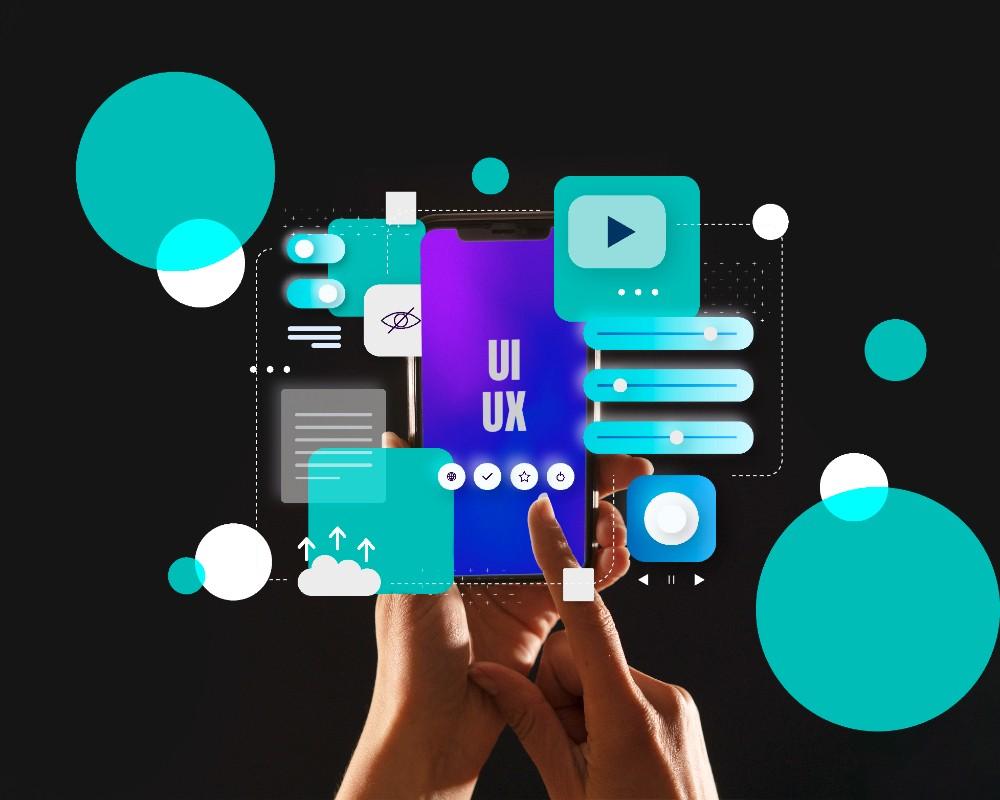
Image source - freepik.com
Key AI Personalization Techniques to Enhance UX Design
1. Predictive Analytics for User Behavior
Predictive analytics involves using AI algorithms to anticipate user actions based on past behaviors.
For instance, e-commerce websites like Amazon leverage predictive models to suggest products users are likely to purchase. This approach is invaluable for UX designers crafting intuitive, user-friendly interfaces.
Benefits:
- Reduces user decision fatigue.
- Offers seamless navigation.
- Boosts engagement through precise suggestions.
2. Dynamic Content Customization
Dynamic content adapts in real-time to match user preferences. Whether it's Netflix suggesting shows or Spotify curating playlists, personalized content keeps users returning.
How it works:
- AI evaluates data points like watch history, location, and device type.
- The interface updates to present relevant options.
This technique is vital for any UI UX design course emphasizing user-centric solutions. It shows how real-time customization can enhance user satisfaction.
3. Chatbots with Personalized Responses
AI-powered chatbots analyze user input to deliver relevant, contextual responses. Tools like ChatGPT or Drift use natural language processing (NLP) to personalize customer support and interactions.
Example in action:
- Duolingo's chatbot adjusts its tone and difficulty based on user proficiency, offering a customized learning experience.
For UX designers, incorporating such chatbots ensures efficient, engaging, and responsive interfaces.
How AI Personalization Optimizes Multi-Device UX
4. Cross-Platform Personalization
AI ensures users enjoy a seamless experience across devices, tracking preferences and history.
Example:
- Google Workspace syncs data across devices, letting users pick up tasks effortlessly.
For designers, this technique reinforces consistency, vital for maintaining user trust.
5. Adaptive User Interfaces
Adaptive interfaces change layouts based on user needs or environment.
Example:
- Adobe Photoshop's AI-driven panels simplify tools for beginners while offering advanced options for professionals.
This dynamic approach ensures usability and caters to diverse user segments, a key aspect in any UX design certification program.
Leveraging AI in UX Research
6. AI-Driven Heatmaps and Behavior Analysis
Tools like Crazy Egg and Hotjar use AI to create heatmaps, showing where users interact most on a page. This data empowers UX designers to optimize layouts and eliminate friction points.
Practical Use:
- If a heatmap reveals low interaction with a CTA, repositioning it can increase conversions.
7. Sentiment Analysis for Feedback
AI tools like MonkeyLearn analyze user reviews, categorizing feedback based on sentiment.
Example:
- A travel app could adjust its features if users frequently express frustration over its booking interface.
By implementing sentiment analysis, UX designers ensure designs resonate positively with the audience.
Ethics and Challenges in AI Personalization for UX Design
While AI offers transformative opportunities, UX designers must address ethical concerns:
- Data Privacy: Adhere to GDPR and other regulations when handling user data.
- Bias in Algorithms: Train models to avoid discrimination based on race, gender, or other factors.
- Transparency: Inform users about AI-driven personalization.
For instance, Spotify includes an explanation of its recommendation algorithms to maintain user trust.
Real-Life Examples of AI Personalization in UX Design
- Amazon’s Recommendation Engine:Over 35% of Amazon's revenue comes from its AI-powered recommendation system, highlighting its effectiveness. (Source: McKinsey)
- Netflix’s Personalized Streaming:Netflix saves $1 billion annually by reducing churn through AI-driven content recommendations. (Source: Forbes)
- Airbnb’s Search Optimization:Airbnb uses AI to personalize search results, showing users the most relevant properties based on preferences and location.
These examples illustrate how AI personalization creates meaningful user interactions, benefiting both users and businesses.
How to Learn AI Personalization Techniques as a UX Designer
Enroll in a Comprehensive Course
Consider a UI UX design course or certification that focuses on advanced personalization techniques. These courses should cover AI-powered tools, real-world case studies, and hands-on projects.
Stay Updated on AI Trends
Explore resources like Medium, UX Collective, and LinkedIn to stay informed about new tools and techniques.

Image source - freepik.com
Future of AI Personalization in UX Design
The future of AI personalization is promising, with advancements in machine learning and natural language processing. For example, generative AI tools will allow UX designers to create even more engaging, adaptive interfaces. As AI becomes ubiquitous, mastering its application will be essential for staying competitive.
Conclusion
AI personalization is a game-changer for UX designers, enabling them to craft experiences that resonate deeply with users. From predictive analytics to adaptive interfaces, these techniques enhance engagement, usability, and satisfaction. Whether you're a seasoned designer or pursuing a UX design certification, understanding and leveraging AI is crucial for staying relevant. By incorporating these techniques, you can transform your designs into tools that captivate and convert users seamlessly.
Boost your career with our UI-UX Design Certification Course. Enroll today and transform user experiences!
Visit the Kaarwan website for more insights!
FAQs
Q1: What is AI personalization in UX design?
A1: AI personalization uses artificial intelligence to create customized user experiences based on behavior, preferences, and interaction patterns. It helps UX designers deliver tailored, user-centric solutions.
Q2: Why is AI personalization important for UX designers?
A2: AI personalization improves user engagement, enhances usability, and increases conversion rates. For example, McKinsey reports businesses using personalization see revenue boosts of 5-15%.
Q3: What are examples of AI personalization techniques?
A3: Examples include predictive analytics for user behavior, dynamic content customization, personalized chatbots, and cross-platform synchronization to deliver seamless experiences.
Q4: How can UX designers learn AI personalization techniques?
A4: UX designers can enroll in courses like Google UX Design Certification or Interaction Design Foundation programs, which cover AI tools, case studies, and hands-on projects.
Q5: What ethical concerns arise with AI personalization?
A5: Ethical concerns include data privacy (e.g., adhering to GDPR), algorithmic bias, and maintaining transparency by informing users how AI-driven personalization works.