In the fast-evolving world of UI/UX, one principle stands at the heart of successful design: User-Centered Design (UCD). As businesses and products strive to satisfy their customers' expectations, designers must shift away from approaches solely driven by aesthetics and towards ones that put the end-user's requirements, preferences, and behaviors first.
In this blog post, we’ll dive into what User-Centered Design is, why it’s important, and how it impacts the design process. In addition to this, we will discuss the advantages of utilizing UCD and provide you with specific actions to take in order to implement this methodology into your projects. Gaining an understanding of user-centered design (UCD) can revolutionize your approach to user interface and user experience design, regardless of whether you are an experienced designer or just starting out.
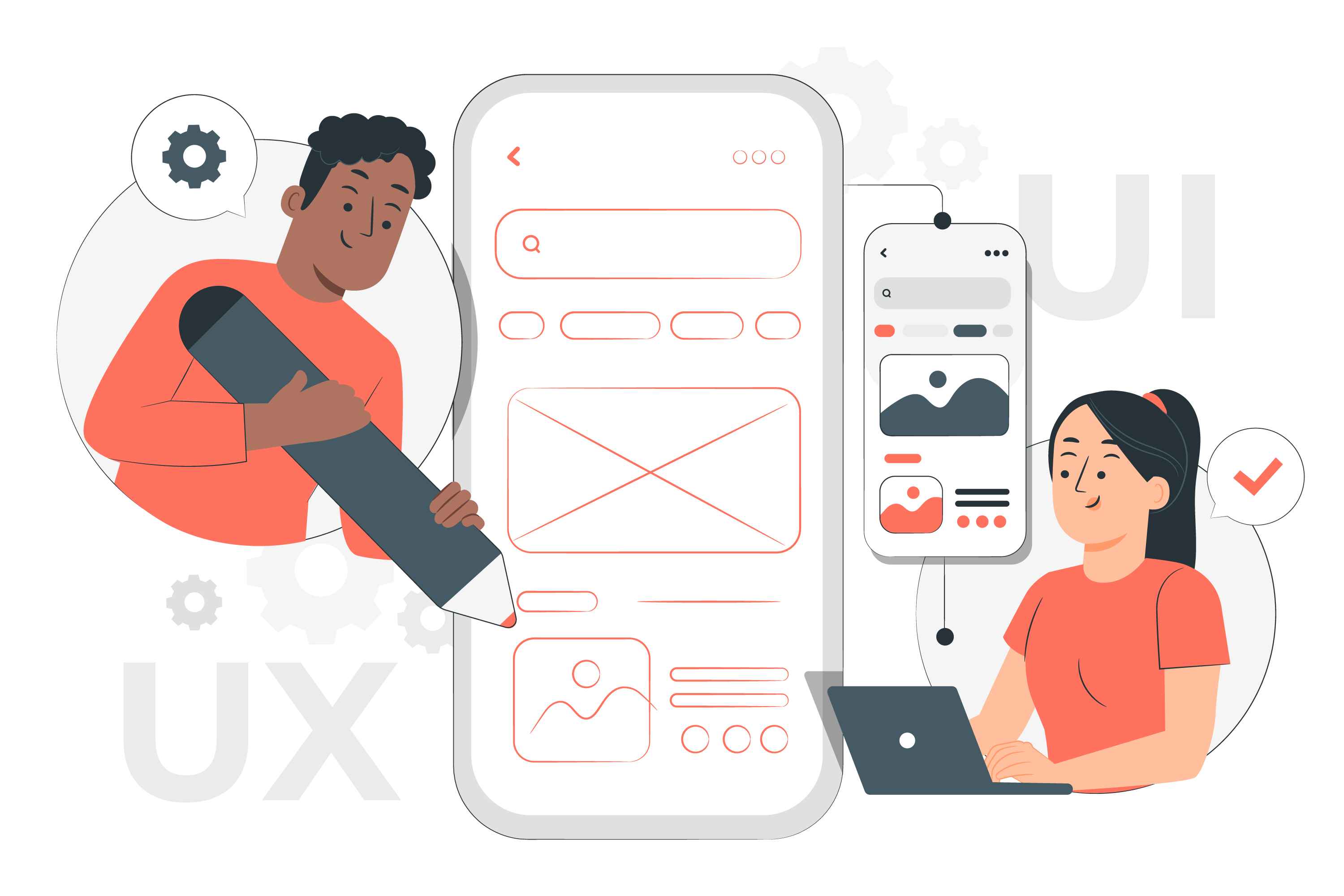
Image source - freepik.com
What is User-Centered Design?
User-Centered Design is a design philosophy that positions the user as the center of any design and development process. Primarily, it hinges on gaining in-depth understanding of goals, needs, and pain points that users have. Thus, it doesn't design by assumptions but through research, testing, and iteration before every decision validated by insight into the user.
Key Characteristics of UCD -
- Empathy-Driven: The design process starts with understanding the user. Designers must have empathy for the experiences and expectations of users in order to develop a solution that truly satisfies their requirements.
- Iterative Process: UCD encourages designers to test and iterate multiple times. Feedback is gathered at various stages of the design process to refine the solution.
- Problem-Solving Focus: UCD is not simply about making a product appear attractive; rather, it is about finding solutions to genuine problems that people may be experiencing and making sure that the product serves a functional purpose.
- Inclusive Design: It prioritizes accessibility and inclusivity, catering to different user segments, including those with disabilities or varying levels of tech-savviness.
Why is User-Centered Design Important?
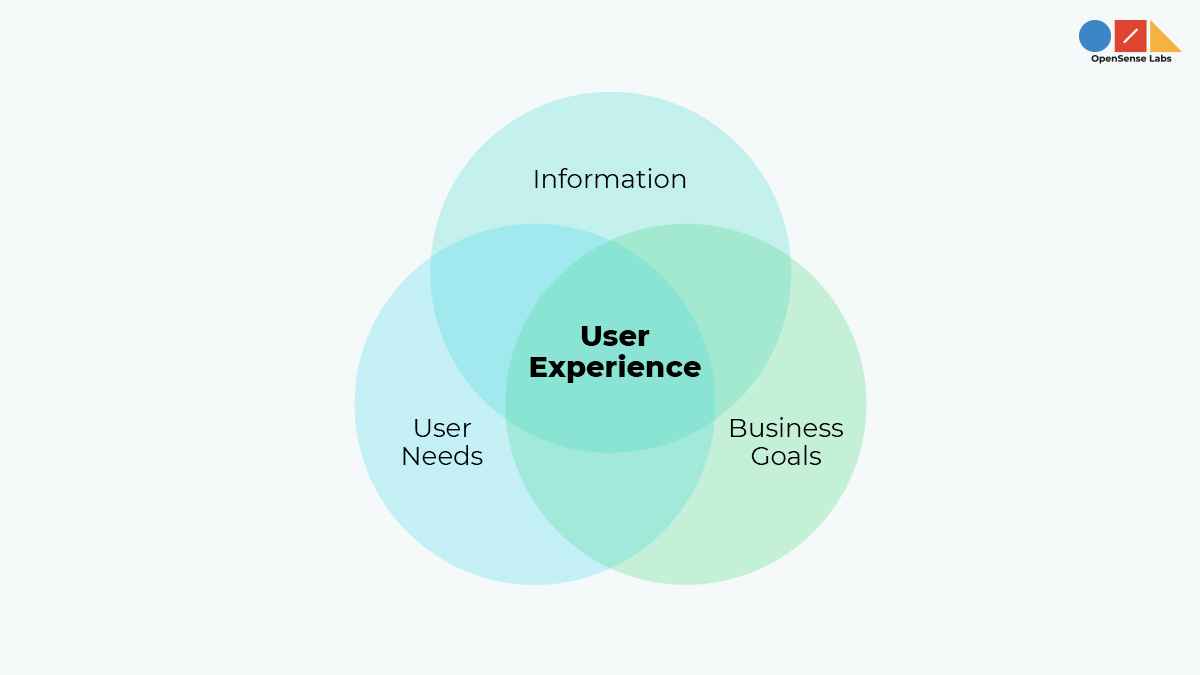
User-Centered Design goes beyond making an interface look sleek or modern. It ensures that users can easily navigate and interact with the product in a way that is intuitive, efficient, and satisfying.
- Enhanced User Experience (UX): A UCD approach ensures that the product is easy to use, minimizes frustration, and delivers value. When users feel understood, they are more likely to engage positively with the product.
- Reduces Redesign Costs: By involving users early in the design process, UCD helps catch usability issues before they become costly to fix. This leads to less wasted time and resources on redesigns.
- Improves Product Adoption: Products that are designed with the user in mind are more likely to meet market needs, leading to better adoption rates. A user-centered product is more likely to be recommended by satisfied customers.
- Boosts Accessibility and Inclusivity: UCD ensures that the design is accessible to as many people as possible, including individuals with different abilities, thus opening the product to a wider audience.
The UCD Process: Step-by-Step
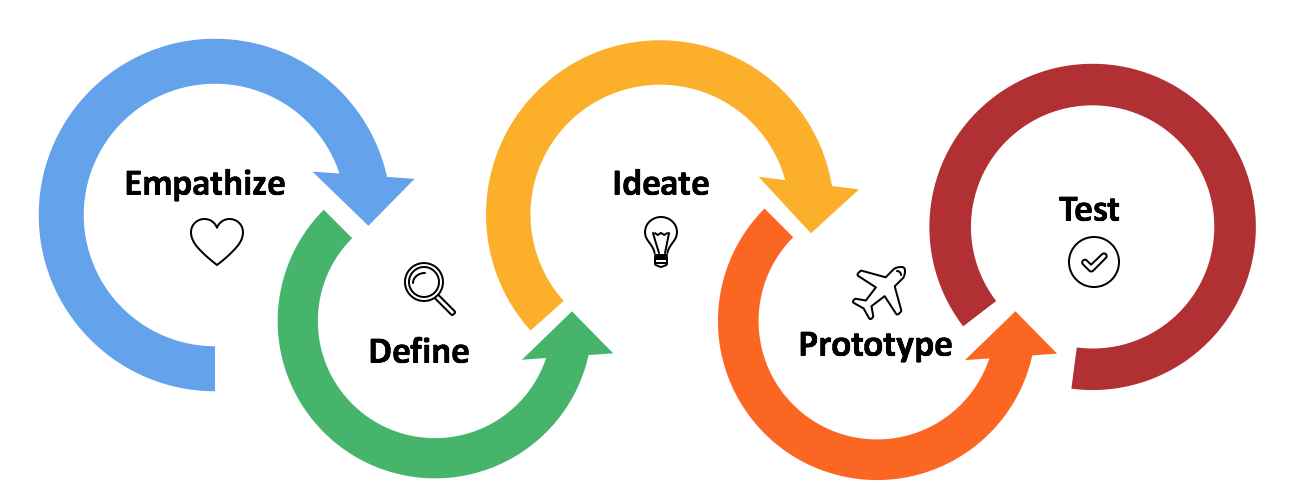
The User-Centered Design process follows a structured, iterative framework that revolves around user feedback and input. Here’s how it typically unfolds:
1. Understanding the Users: Research
The foundation of UCD lies in research. Designers must dive deep into understanding who the users are, what challenges they face, and how they interact with similar products. Various methods can be used to gather these insights, including:
- User Interviews: Directly talking to users to understand their pain points and desires.
- Surveys and Questionnaires: Gathering feedback on a larger scale to identify patterns.
- Competitive Analysis: Reviewing similar products to identify areas for improvement.
The goal is to gather as much relevant information as possible to inform the design.
2. Defining User Needs: Personas and Scenarios
Now, the data collected during the research phase will be synthesized to create clear user personas. Personas are semi-fictional depictions of your target audience; they tell goals, challenges, and behaviors. Personas help designers stay focused on real users, rather than hypothetical ones.
Creating scenarios, stories about how users interact with the product in specific situations, can also provide insight into user behavior and inform design decisions.
3. Designing with the User in Mind: Prototyping
Prototypes allow designers to experiment with different ideas, layouts, and functionality. These can range from simple wireframes to interactive models that users can test. At this stage, designers focus on:
- Navigation: How easily can users move through the product?
- Information Hierarchy: Is information presented in a logical, digestible manner?
- Interaction Design: Are buttons, links, and interactive elements intuitive to use?
4. Testing and Iteration: Feedback Loops
Testing is a critical part of the UCD process. By conducting usability testing, designers can see firsthand how users interact with the prototype. Common testing methods include:
- A/B Testing: Comparing two versions of a design to see which performs better.
- Usability Testing: Observing users as they complete tasks with the product.
- Focus Groups: Gathering qualitative feedback from a group of target users.
Feedback from testing informs necessary adjustments, and the design is refined based on these insights. This cycle of testing and iteration continues until the product is optimized.
5. Implementation and Follow-Up
Once the design has been tested and iterated to a satisfactory level, it’s time to implement it. However, UCD doesn’t stop at launch. Designers must continue to gather user feedback post-launch to ensure that the product remains aligned with user expectations.
Benefits of Adopting a User-Centered Approach
- Increases User Satisfaction: When users find a product that fits their needs and is easy to use, their satisfaction levels rise. This can translate into brand loyalty and long-term success.
- Competitive Advantage: In a crowded market, a user-centered product can stand out by providing a superior experience. This can set the product apart from competitors.
- Encourages Innovation: The UCD process involves continuous feedback loops, leading to creative solutions that directly address user pain points.
- Better Accessibility Compliance: Designing with a diverse user base in mind leads to a more inclusive product, which not only widens the audience but also ensures compliance with accessibility standards.
Conclusion
User-Centered Design is more than just a trend in the design world, it’s a fundamental shift in how products are created. By focusing on the end-user throughout the design process, UCD ensures that products are not only functional but also intuitive, accessible, and enjoyable to use.
As UI/UX continues to evolve, keeping the user at the core of your design process will become increasingly essential. Whether you're creating a new app, website, or physical product, remember: success starts and ends with your users. A well-executed UCD process ensures that you're solving real problems and delivering true value.
By adopting a User-Centered Design approach, you can craft experiences that truly resonate with your audience, leading to greater satisfaction, loyalty, and overall success.
Level up your UI/UX skills! Learn to create stunning interfaces and seamless user experiences with our Advanced UI/UX Design Course. Boost your career and design products that stand out.
Enroll today at Kaarwan for more insights!
FAQs
1. What is User-Centered Design (UCD), and why does it matter?
UCD focuses on designing products around user needs, ensuring they’re intuitive and easy to use, leading to higher satisfaction and adoption.
2. How does UCD differ from traditional design methods?
UCD prioritizes users at every stage, involving feedback and testing, while traditional design often focuses more on aesthetics and functionality upfront.
3. Why should I invest in UCD if I know my audience?
UCD helps validate your assumptions, catching usability issues early and ensuring the product truly meets user needs.
4. What are the key steps in the UCD process?
The key steps are user research, defining personas, prototyping, testing, and iterative improvements based on feedback.
5. How does UCD improve product success?
UCD enhances user satisfaction, reduces redesign costs, and increases product adoption by focusing on real user needs and experiences.