User experience (UX) design is all about creating seamless, intuitive, and engaging digital experiences. However, human psychology often introduces unseen roadblocks—cognitive biases. These mental shortcuts help users process information quickly but can also lead to irrational decisions. For designers, understanding these biases is crucial in crafting interfaces that guide users effectively rather than frustrate them.
In this blog, we’ll explore the most common cognitive biases in UX design, how they influence user behavior, and strategies to minimize their negative impact.
What Are Cognitive Biases?
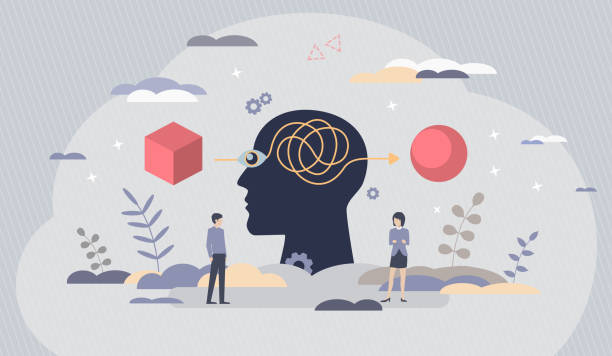
Cognitive biases are systematic patterns of deviation from rationality in judgment. They occur because our brains rely on mental shortcuts (heuristics) to process vast amounts of information efficiently. While these shortcuts help in decision-making, they can also cause errors in perception, judgment, and reasoning.
In UX design, biases can influence how users interact with digital products. If designers are unaware of these biases, they may unintentionally create frustrating experiences that lead to confusion, disengagement, or lost conversions.
Key Cognitive Biases in UX Design
1. Confirmation Bias
What It Is: People tend to seek and interpret information in ways that confirm their existing beliefs while ignoring contradictory data.
How It Affects UX:
- Users may resist new features if they don’t align with their expectations.
- Designers may overlook usability flaws by focusing only on positive feedback.
How to Overcome It:
- Conduct diverse user testing to gather feedback from different perspectives.
- A/B test new features to validate design decisions objectively.
2. Hick’s Law (Choice Overload Bias)
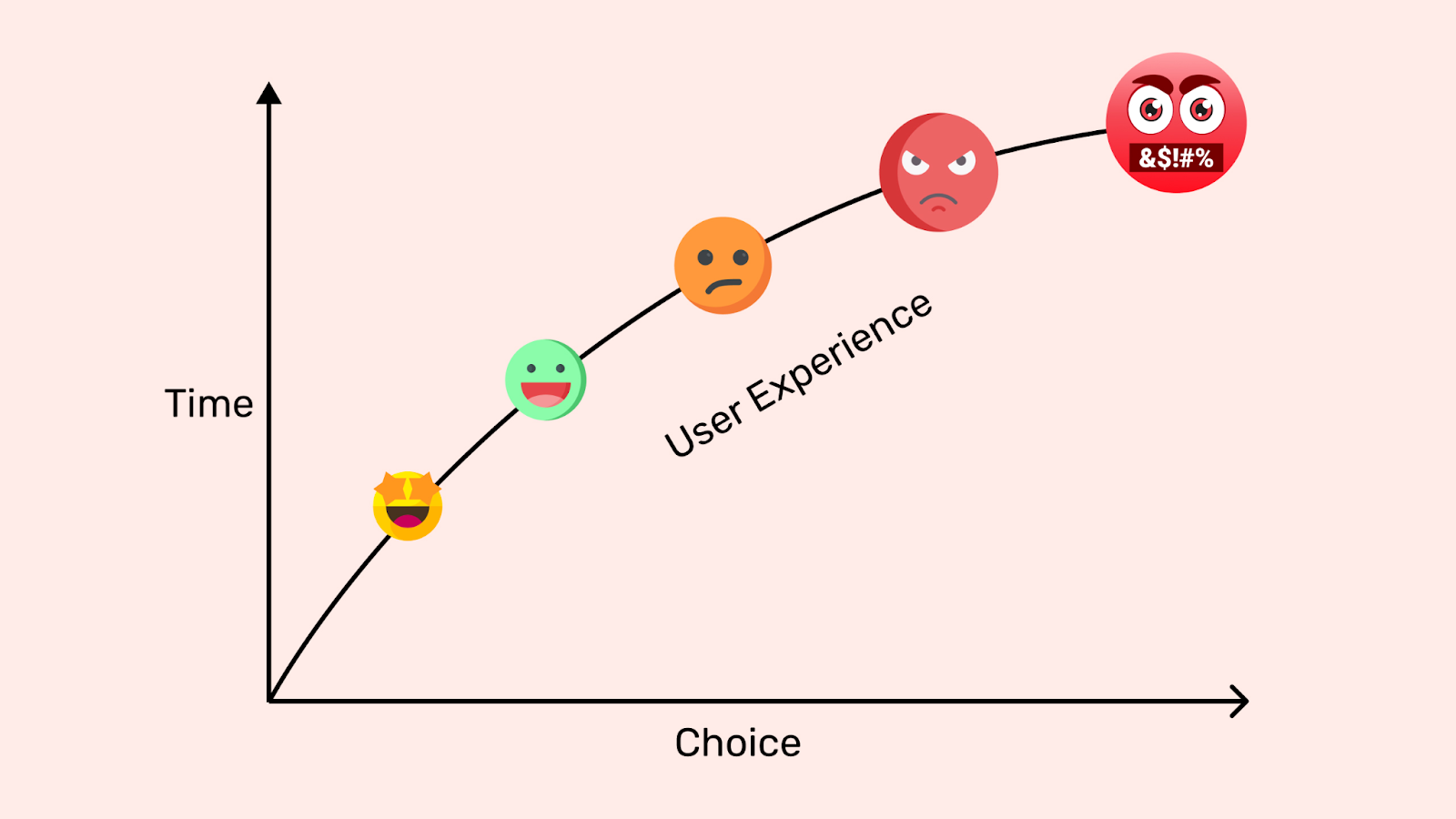
What It Is: The more choices people have, the longer it takes them to make a decision.
How It Affects UX:
- Overloaded navigation menus can overwhelm users.
- Complex forms can lead to frustration and drop-offs.
How to Overcome It:
- Simplify navigation with clear categories and a minimal number of options.
- Break complex tasks into smaller steps using progressive disclosure.
3. Anchoring Bias
What It Is: People rely heavily on the first piece of information they receive when making decisions.
How It Affects UX:
- Users may judge pricing based on the first number they see rather than actual value.
- They may perceive loading speeds differently based on initial expectations.
How to Overcome It:
- Display the most important information first to guide user perception.
- Use price anchoring techniques, such as showing a higher original price before revealing a discount.
4. The Peak-End Rule
What It Is: People judge an experience based on its most intense moment and its end, rather than the average of the entire experience.
How It Affects UX:
- A frustrating checkout process can overshadow an otherwise pleasant shopping experience.
- Poor customer support can define how users feel about a product, even if the product itself is excellent.
How to Overcome It:
- Ensure smooth, frustration-free checkout and sign-up flows.
- End user journeys on a high note, such as a friendly confirmation message or a small reward.
5. The Von Restorff Effect (Isolation Effect)
What It Is: People remember and notice things that stand out from their surroundings.
How It Affects UX:
- Important calls-to-action (CTAs) may get lost if they look too similar to other elements.
- Overusing standout elements can dilute their impact.
How to Overcome It:
- Use contrast wisely to highlight critical actions like "Buy Now" or "Sign Up."
- Avoid cluttering interfaces with too many attention-grabbing elements.
6. Serial Position Effect
What It Is: People tend to remember the first and last items in a list better than the middle ones.
How It Affects UX:
- Users may overlook important menu items if they’re placed in the middle of a list.
- Key content placed in the middle of a long page may not get noticed.
How to Overcome It:
- Place essential actions at the beginning or end of navigation menus.
- Structure pages with clear section breaks to ensure critical content gets attention.
7. Status Quo Bias
What It Is: People prefer things to stay the same and resist change.
How It Affects UX:
- Users may reject a new interface simply because it’s different from what they’re used to.
- Major redesigns can lead to user frustration if they drastically change workflows.
How to Overcome It:
- Introduce changes gradually rather than overhauling everything at once.
- Provide onboarding guides to help users transition smoothly.
How to Design with Cognitive Biases in Mind
- Test with Real Users: Conduct usability testing with a diverse group of users to spot biases early.
- Simplify Choices: Reduce cognitive load by limiting options and guiding users through decision-making.
- Use Familiar Patterns: Leverage design conventions that users already recognize to minimize friction.
- Guide Attention Thoughtfully: Use contrast, spacing, and hierarchy to direct focus without overwhelming users.
- Ensure a Positive End Experience: Optimize final interactions, such as checkout confirmations or thank-you messages, to leave a lasting positive impression.
Conclusion
Cognitive biases play a significant role in shaping user interactions with digital products. While these biases are natural, they can lead to poor design decisions if not accounted for. By understanding how users think and behave, designers can create more intuitive, engaging, and effective experiences.
A UX designer’s job isn’t just to make things look good—it’s to craft experiences that feel natural and effortless. Keeping cognitive biases in mind can help ensure that your designs align with human psychology rather than work against it.
Level up your UI/UX skills! Learn to create stunning interfaces and seamless user experiences with our Advanced UI/UX Design Course. Boost your career and design products that stand out.
Enroll today at Kaarwan for more insights!
FAQs
1. How do cognitive biases impact user decision-making in UX?
Cognitive biases influence how users perceive, interpret, and interact with digital interfaces, affecting choices like navigation, purchasing, and engagement.
2. How can UX designers reduce the impact of cognitive biases?
Designers can conduct usability testing, simplify choices, use familiar UI patterns, and guide user attention strategically to minimize bias-related issues.
3. What is the most common cognitive bias in UX design?
Confirmation bias is one of the most prevalent, as both users and designers tend to favor information that supports their existing beliefs.
4. How does Hick’s Law affect website usability?
Hick’s Law states that too many choices slow down decision-making. Websites should limit options and use clear navigation to improve usability.
5. Why is the Peak-End Rule important in UX?
Users remember the most intense and final moments of an experience, so optimizing critical interactions like checkout or sign-up processes is essential.