Voice User Interfaces (VUI) are reshaping how users engage with technology, creating more seamless, hands-free, and intuitive experiences. With rapid advancements in AI-driven speech recognition, UI-UX designers must adapt their skill sets to stay relevant in this dynamic field. This article will help you learn about how VUI is changing user interaction and why it’s a game-changer for modern designers.
What Is VUI and Why It Matters in Design?
Voice User Interfaces enable users to interact with devices through voice commands instead of physical inputs like typing or tapping. Think about using Alexa to control smart home devices or asking Siri to check the weather. This hands-free approach enhances accessibility and reduces friction in user interaction.
As of 2024, global smart speaker sales exceeded 320 million units, indicating growing consumer reliance on VUI-based systemsis shift, UI-UX designers are tasked with creating engaging, intuitive voice interactions that cater to diverse users, including those with disabilities.
For professionals considering an UX design certification or a UI-UX design course, understanding VUI trends is critical to remaining competitive in the job market.

Image source - freepik.com
How VUI Improves User Interaction
1. Accessibility and Inclusivity
VUI technology bridges the gap for users with visual or physical impairments, offering a voice-first interaction model. For example:
- Elderly users benefit from systems like Google Assistant for setting reminders or making calls.
- Visually impaired individuals can access apps using voice commands instead of relying on screen-based navigation.
This inclusivity makes VUI a vital tool for creating equitable experiences. Designers should prioritize accessibility guidelines and integrate features like text-to-speech options when developing VUI-based solutions.
2. Faster and More Natural Interactions
Voice interactions are faster than typing. On average, humans speak at 130-150 words per minute, compared to typing speeds of 40-50 words per minute. This efficiency makes VUI ideal for tasks requiring quick responses, such as sending text messages or navigating apps while driving.
However, crafting natural, conversational flows requires UI-UX designers to think like linguists. Incorporating real-world nuances, such as regional accents or colloquial terms, ensures smooth communication between users and VUI systems.
Key Challenges for UI-UX Designers in VUI Design
1. Designing Without Visual Elements
Unlike traditional interfaces, VUI relies heavily on auditory cues. Designers must create clear, concise prompts that guide users without overwhelming them.
For example:
- Alexa’s brief instructions—“Say ‘play’ to start music”—reduce cognitive load, ensuring users can interact effortlessly.
2. Understanding User Intent
VUI systems need to interpret varying tones, accents, and contexts. Misinterpreting commands can frustrate users. Designers must collaborate closely with developers to refine Natural Language Processing (NLP) models.
3. Building Trust in AI Systems
Many users are skeptical of voice technology due to privacy concerns. Designers can build trust by:
- Clearly communicating how data is stored and used.
- Offering manual controls alongside voice commands.
Integrating VUI Principles Into UI-UX Design
1. Use Case Scenarios: Identify real-world situations where VUI enhances convenience. For instance, ride-hailing apps like Uber now allow users to book rides via voice commands, reducing distractions while driving.
2. Feedback Mechanisms: Provide users with auditory feedback, such as confirmation tones or verbal acknowledgments like “Your command has been executed.” This assures users that the system has understood their input.
3. Multi-Modal Interfaces: Combine VUI with visual interfaces to create richer experiences. For example, Samsung Smart TVs integrate VUI for voice navigation while displaying on-screen options for added clarity.
Benefits of Learning VUI for UI-UX Designers
Enrolling in a UI-UX design course or earning an UX design certification focused on VUI can significantly boost your career prospects. Benefits include:
- Enhanced Employability: Companies like Apple, Google, and Amazon seek designers skilled in VUI.
- Innovative Design Opportunities: VUI is shaping new industries, from healthcare to education.
- Future-Proofing Skills: As devices become smarter, voice-first interfaces will dominate.
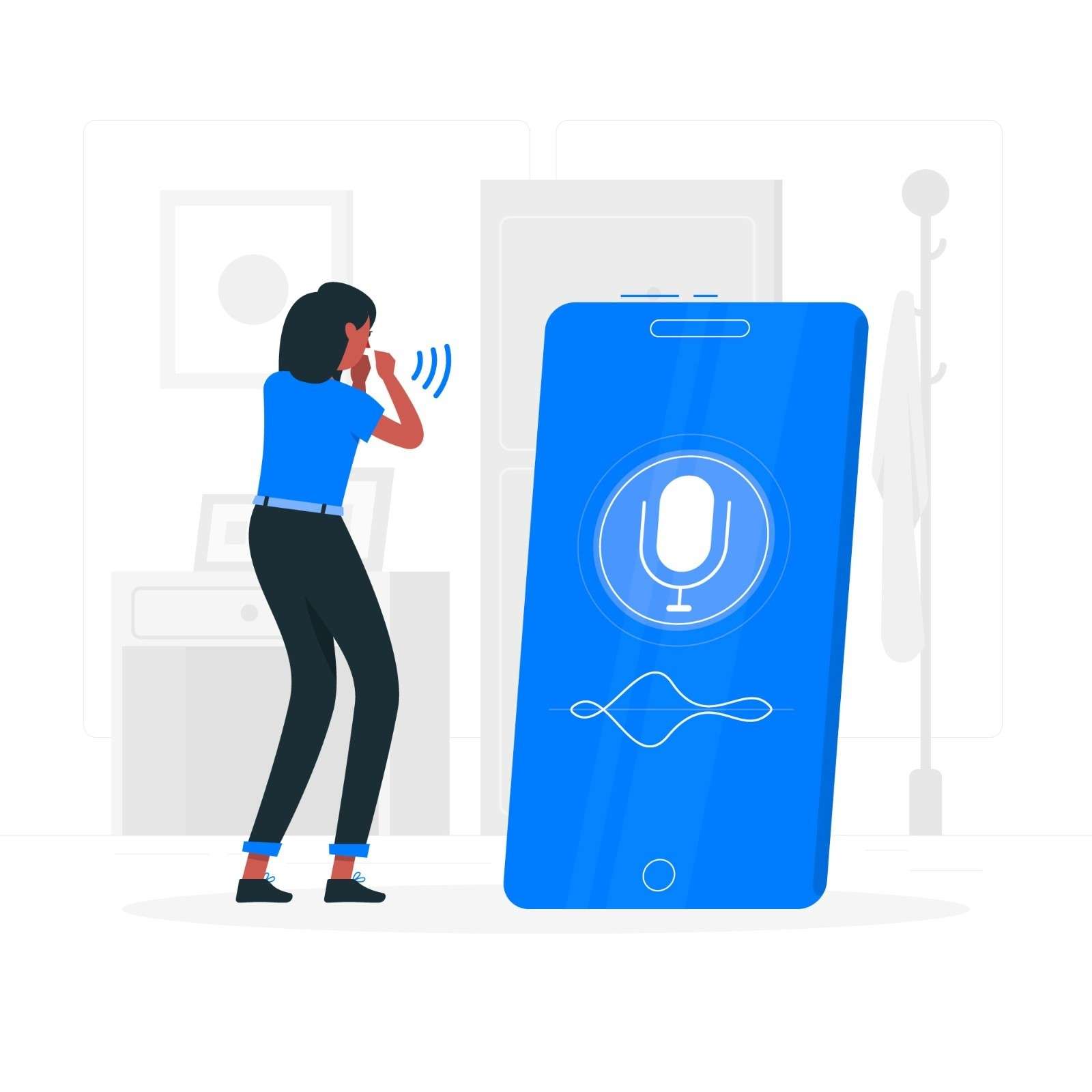
Image source - freepik.com
Future Trends in VUI and User Interaction
1. Personalized Voice Experiences
AI advancements enable VUI systems to adapt to individual user preferences. For instance, Spotify uses AI to recommend playlists based on users’ listening history via voice commands.
2. Multilingual Support
With over 7,000 languages worldwide, expanding VUI to include non-English users is essential. Google Assistant now supports more than 40 languages, making technology accessible globally .
3. Integration With Emerging Technologies
VUI is merging with augmented reality (AR) and virtual reality (VR), enabling immersive interactions. For example, VUI-powered AR navigation can guide users in real-time, blending virtual maps with spoken directions.
How To Master VUI Design as a UI-UX Designer?
To excel in VUI, UI-UX designers should:
- Enroll in Courses: Specialized programs like Google’s UX Design Certificate offer modules on VUI.
- Stay Updated: Follow industry blogs and attend webinars on VUI trends.
- Practice Prototyping: Tools like Adobe XD and Figma now support voice prototyping features.
Conclusion
Voice User Interfaces are revolutionizing the way people interact with technology, pushing the boundaries of traditional design principles. For UI-UX designers, mastering VUI opens doors to innovative opportunities and ensures relevance in a voice-driven world. By focusing on accessibility, personalization, and seamless experiences, designers can create impactful solutions that resonate with users globally.
As the demand for voice-based systems continues to rise, there has never been a better time to explore this transformative field.
Upgrade your skills with our UI-UX Design Certification Course. Start your journey now!
Visit the Kaarwan website for more insights!
FAQs
Q1: What is Voice User Interface (VUI) and why is it important in design?
A1: VUI allows users to interact with devices through voice commands instead of physical inputs. It enhances accessibility and reduces friction in user interaction, making it essential for UI-UX designers to create seamless and inclusive designs.
Q2: How does VUI improve user interaction for people with disabilities?
A2: VUI enables hands-free operation, helping visually or physically impaired users. For example, visually impaired users can navigate apps using voice commands, and elderly users can set reminders through Google Assistant.
Q3: What challenges do UI-UX designers face in VUI design?
A3: Designers face challenges like creating intuitive voice prompts without visuals, understanding user intent across accents, and addressing privacy concerns. Collaboration with developers to refine NLP models is crucial.
Q4: Why should UI-UX designers learn about VUI through specialized courses?
A4: Courses like UX design certifications equip designers with skills to master VUI, increasing employability at companies like Google and Amazon and future-proofing careers in voice-driven technology.
Q5: How are VUI trends evolving with emerging technologies?
A5: VUI is integrating with AR/VR for immersive experiences, expanding multilingual support, and offering personalized interactions, such as Spotify recommending playlists via voice commands based on user preferences.