When it comes to designing digital products like websites, software, and mobile apps, two terms often come up: User Interface (UI) and User Experience (UX). While they may sound similar, UI and UX serve different functions that, when combined, create a cohesive and user-friendly product. Understanding the difference between these two is crucial for delivering designs that not only look appealing but also function smoothly.
UI: The Face of the Product
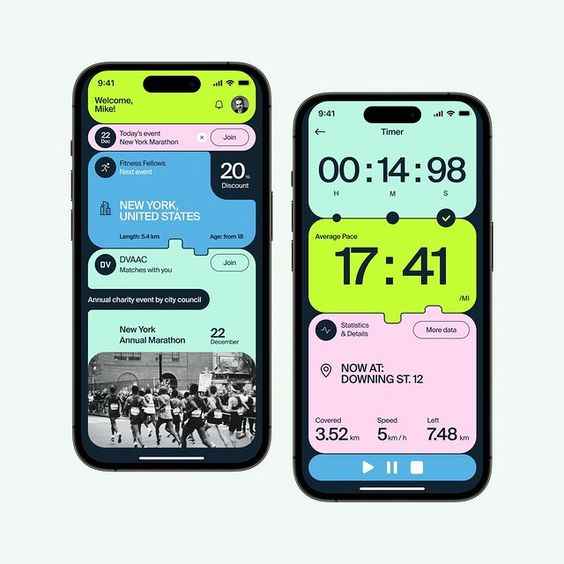
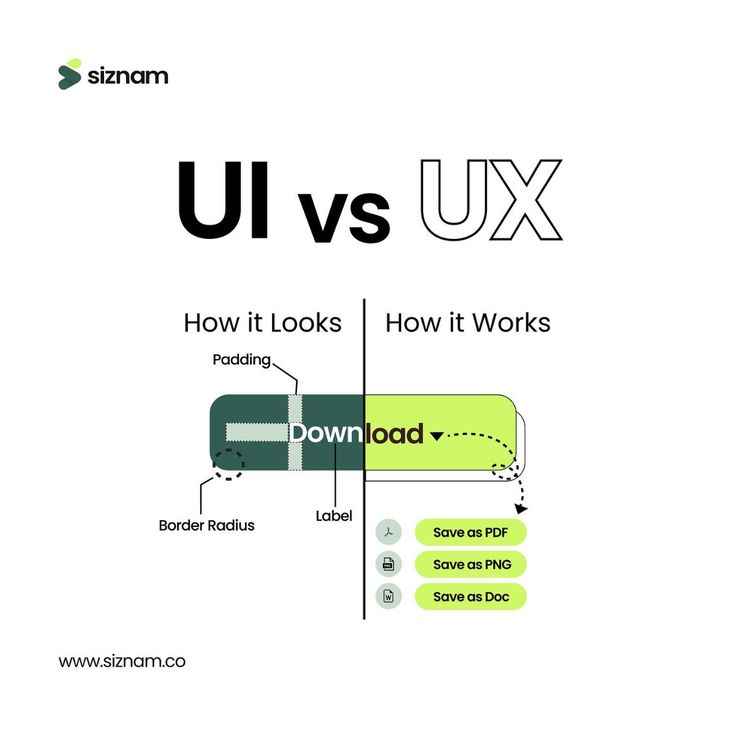
The User Interface, sometimes known as UI, is all about how things look. It’s what you see, click, or tap when you use an app.The color of the login button, the font used for the text, and the arrangement of photos on a website are all examples of this. User interfaces are designed to be visually appealing and to provide a good first impression.
A user interface that has been thoughtfully developed will have a contemporary, uncluttered, and welcoming feel. However, user interface design can fall short of expectations if it is solely concerned with appearances and ignores comfort or functionality.
UX: The Heart of the Experience
User Experience refers to the overall experience users have when interacting with a product. UX design ensures that the product is easy to use, efficient, and meets the user’s needs. It’s less about visuals and more about functionality, user flow, and intuitive navigation. A product with great UX will guide users smoothly through processes like registration, purchasing, or browsing.
At the end of the day, it’s about how you feel when you interact with the product. Is it easy to use? Does it flow naturally? UX is what ensures that the application not only looks attractive but also functions well for you.
How They Differ: Looks vs. Feel (Real World Examples)
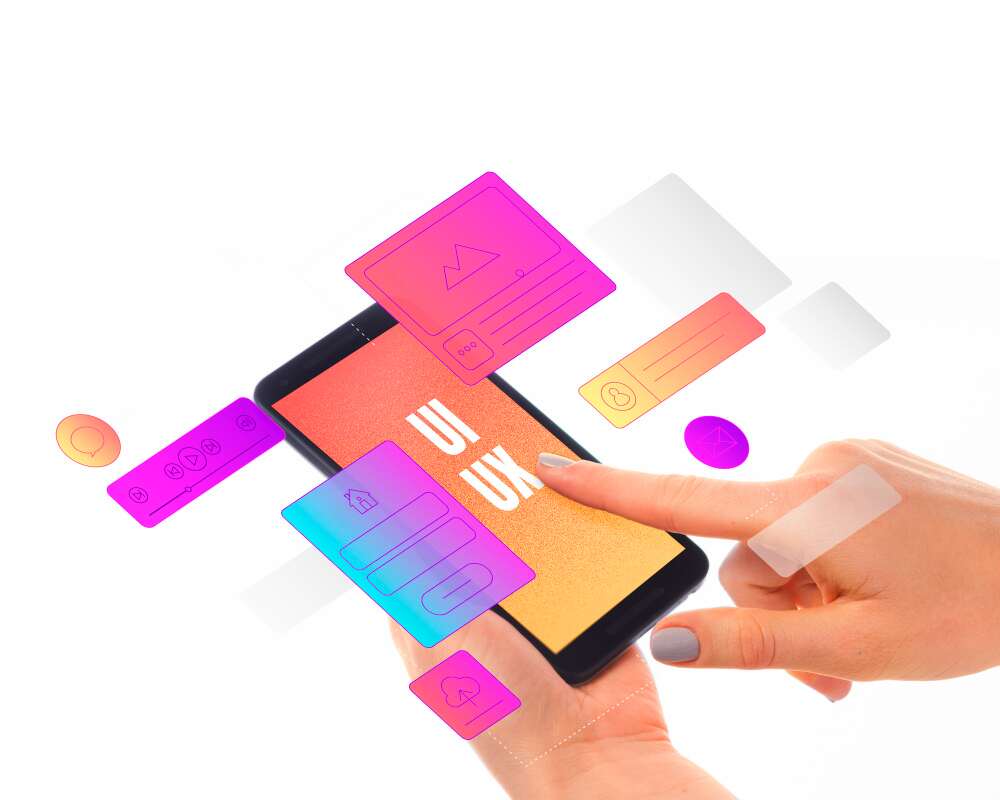
Let’s be clear—UI and UX aren’t enemies. They’re like two sides of the same coin, each playing a crucial role in how you experience a product.
Some examples involving real-life scenarios include the following:
- UI is the Instagram grid, and UX is the scrolling experience. The user interface of Instagram is stunning, involving clean lines, colorful photographs, and icons that are simple to use. But where is the true magic? The fluidity with which the software moves, the ease with which one may approve a photo or swipe through stories without having to think about it. That’s UX at work. Regardless of how attractive the application appears tobe, you would become dissatisfied if it began to freeze every few seconds or if the buttons were difficult to tap.
- UI is the decoration, and UX is the foundation. You can think of UI as the paint on a house. It makes things look nice, but if the structure (UX) isn’t solid, it won’t matter how good the paint job is. User experience is concerned with ensuring that the foundation is strong, whether that means building a navigation system that is easy to use, quick loading times, or a flow that is intuitive from the beginning to the end.
- UI is the story cover, and UX is the plot. User interface is the cover of the book that catches your interest, but user experience is the story that keeps you turning the pages. Even if the user interface is appealing, if the user experience is poor, you will not be interested in continuing to read the sequel.
UI v/s UX: Which One Matters More?
Both user interface and user experience are necessary, yet they accomplish different goals. UI provides consumers with a cause to pause and explore, while user experience guarantees that users remain, enjoy themselves, and return. It is possible that you will initially notice a gorgeous interface; however, it is the experience that will actually make an impact that will endure.
Conclusion
At the end of the day, it is not about choosing between user interface and user experience; rather, it is about knowing how the two complement each other. Digital magic occurs when a product has both a user interface that is visually appealing and a user experience that is smooth or intuitive.So the next time you open your favorite application, give some thought to the reasons that you chose to continue using it. The UI and UX are likely to be working together behind the scenes to ensure that the product not only looks fantastic but also feels even better.
Elevate your skills with our UI/UX Advance Course! Unlock the secrets of creating visually stunning interfaces and seamless user journeys. Gain the expertise to design products that delight users and drive results. Take your career to the next level. Enroll today!
Visit the Kaarwan website for more insights!
FAQS
1. What is the key difference between UI and UX?
UI (User Interface) focuses on the visual and interactive elements of a product, like colors, fonts, buttons, and layout, aiming to create a design that is both appealing and user-friendly. UX (User Experience) refers to how a user interacts with a product, aiming to make it functional, easy to use, and enjoyable. In short, UI is what you see, and UX is how you feel while using it.
2. Why are both UI and UX important for a successful product?
UI and UX work together to create a seamless product. UI attracts users with a visually appealing design, while UX ensures a smooth, intuitive experience. For a product to succeed, it must offer both visual appeal and a strong user experience to attract and retain users.
3. Can a product have good UI but poor UX?
A product can look great (good UI) but still be frustrating to use (poor UX). For example, an app might have a sleek design but complicated navigation, making it hard for users to find what they need. Good UI alone can't compensate for a poor user experience.
4. Which should come first: UI or UX?
UX should come first. Designers should focus on creating a seamless and logical user experience before applying UI to enhance the design and make it more visually engaging.
5. How do UI and UX impact user retention?
UI ensures a pleasant and productive experience, while UX attracts and engages users. A visually appealing app with poor usability will likely be abandoned, but a consistent, enjoyable experience boosts retention. Both UI and UX are key to building long-lasting user relationships.