Graphic design has always been a powerful medium for visual storytelling. But in today's digital world, designing stunning visuals is not enough. The demand for UI/UX designers is skyrocketing as companies focus on creating seamless digital experiences. If you’re a graphic designer, transitioning to UI/UX design can open doors to better career opportunities, higher salaries, and more impactful work.
Why you should consider making the switch
1. UI/UX Design is the Future of Digital Products
With businesses shifting online, the need for intuitive and user-friendly digital products has never been greater. Unlike graphic design, which focuses mainly on aesthetics, UI/UX design ensures usability, accessibility, and user satisfaction.
Consider how Netflix transformed its platform. A great visual design alone wouldn’t have kept users engaged. The company focused on UX strategies like personalized recommendations and easy navigation, making it one of the most-used streaming platforms worldwide.
2. Higher Demand & Better Pay
The demand for UI/UX designers has surged in recent years, making it one of the most sought-after skills in tech. Companies are willing to pay premium salaries for professionals who can create engaging user experiences.
Industry Statistics
- According to LinkedIn, UI/UX design is among the top 10 in-demand skills globally.
- Glassdoor reports that the average salary for a UI/UX designer is 50% higher than that of a graphic designer.
“The best way to predict the future is to create it.”
3. Bridging the Gap Between Aesthetics and Functionality
Graphic designers are experts at creating visually stunning designs, but UI/UX design takes it a step further by focusing on functionality and usability. This transition allows designers to create not just beautiful designs but also practical solutions that solve real user problems.
For instance, a graphic designer might create an eye-catching poster, but a UI/UX designer ensures that a website or app is easy to navigate, visually appealing, and meets user needs.
Google’s Material Design is a perfect blend of aesthetics and functionality. It provides a unified design language that works across platforms, ensuring a seamless user experience.
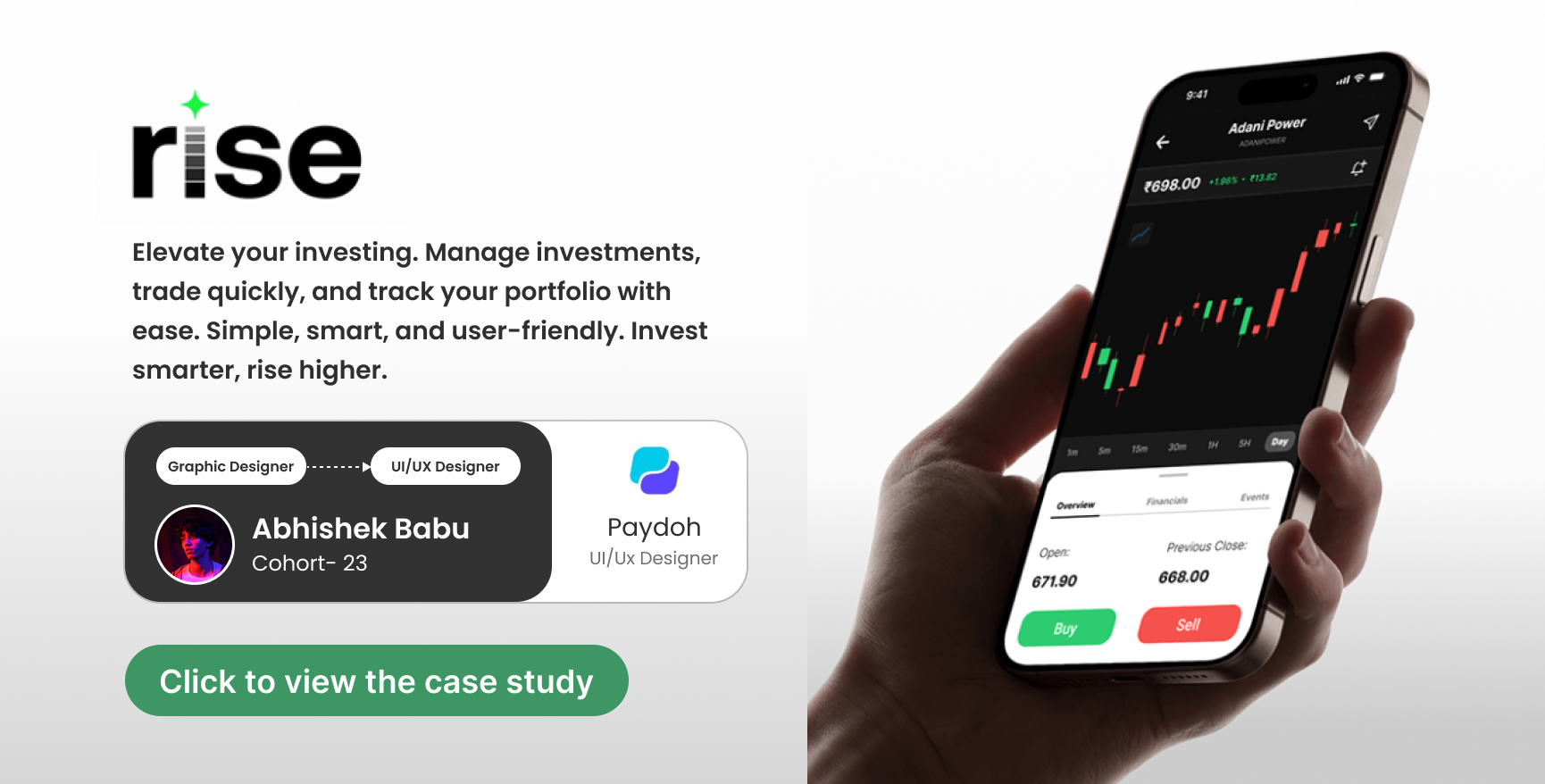
Rise - Investment App ( UX/UI Case Study ) - Abhishek Babu
Kaarwan Learner - Cohort 23
4. Expand Your Creative Problem-Solving Skills
Graphic designers are experts at visual storytelling, but UI/UX design takes it a step further by incorporating problem-solving and user psychology.
Key Differences:
| Skill | Graphic Design | UI/UX Design |
| Focus | Visual Appeal | User experience & usability |
| Tools | Photoshop, Illustrator | Figma, Sketch, Adobe XD |
| Output | Static visuals | Interactive, dynamic designs |
"A user interface is like a joke. If you have to explain it, it’s not that good."
5. More Career Growth & Job Flexibility
UI/UX designers work in diverse industries, from tech startups to healthcare and finance. Unlike graphic design, which is often project-based, UI/UX roles offer long-term career growth.
Career Path Options:
- UI Designer – Focus on designing visually appealing interfaces.
- UX Designer – Conduct research and create seamless user experiences.
- Product Designer – Work on both UI and UX, shaping the entire product journey.
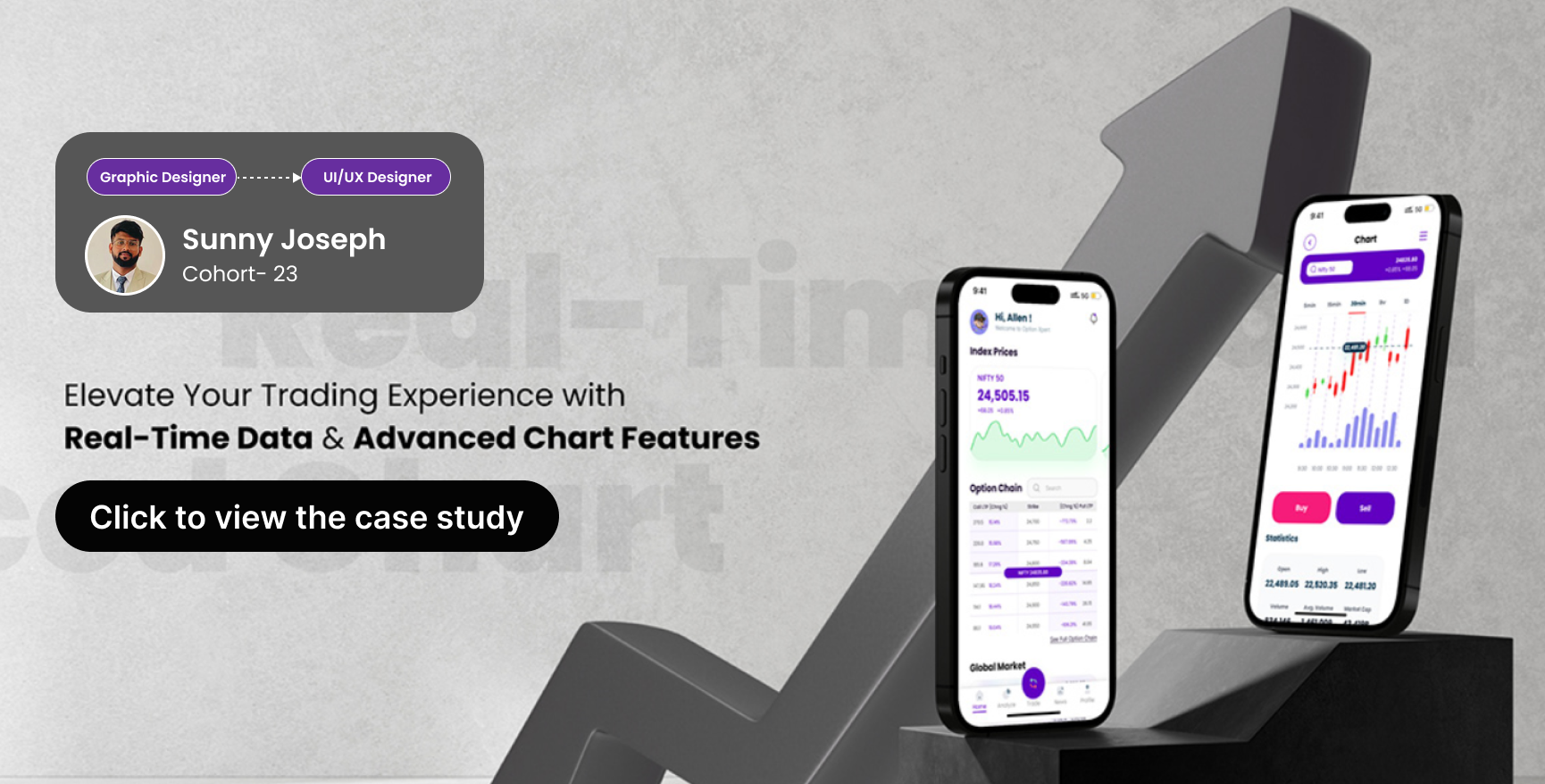
Option Expert -Traders App ( UX/UI Case Study ) - Sunny Joseph
Kaarwan Learner - Cohort 23
6. Making a Tangible Impact
UI/UX designers have the power to influence how users interact with products and services. This ability to create meaningful experiences can be incredibly fulfilling.
The Duolingo app uses gamification and intuitive design to make language learning fun and engaging. Its success is a testament to the power of good UI/UX design.
“Design creates culture. Culture shapes values. Values determine the future.”
7. Easier Transition With Familiar Skills
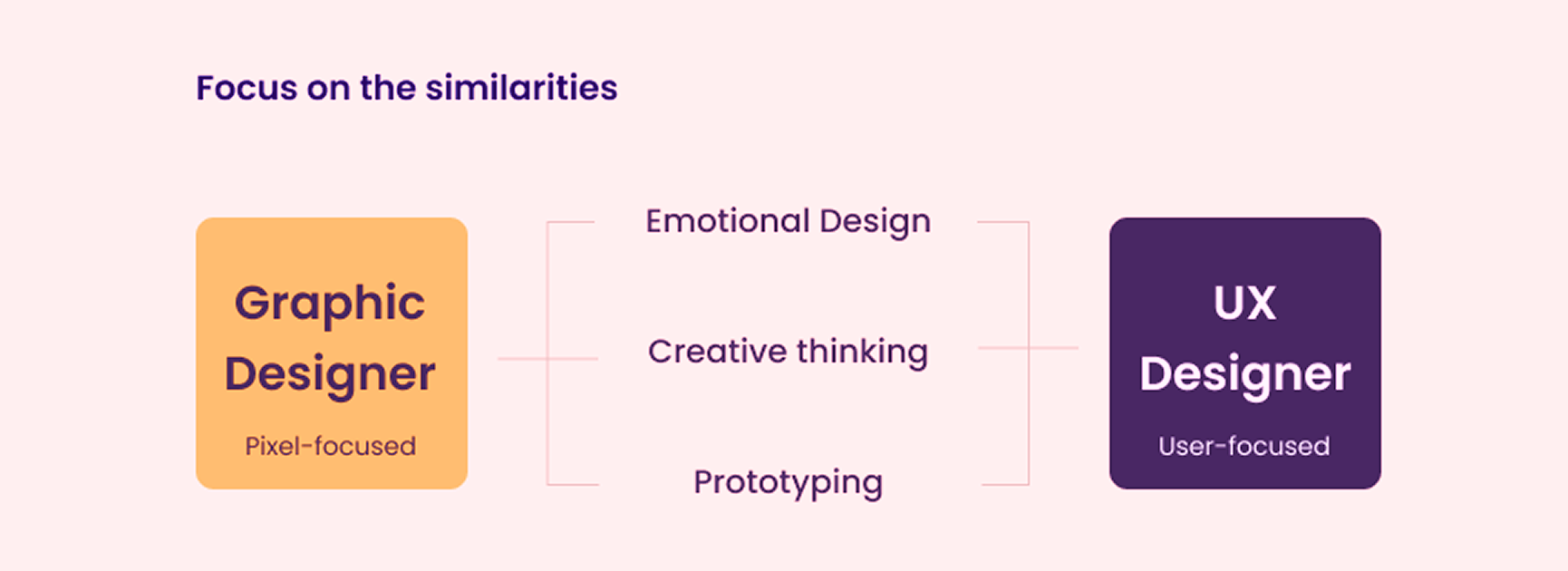
As a graphic designer, you already have skills like color theory, typography, and layout design, which are crucial for UI design. Learning UX principles like wireframing, user research, and interaction design will complete your transition into UI/UX.
Tools to Learn:
- Figma, Adobe XD (for UI design)
- Maze, UsabilityHub (for UX research)
- Framer, ProtoPie (for prototyping & interactions)
How to Get Started
- Learn the Basics: Enroll in a UI/UX design course to understand the fundamentals.
- Build a Portfolio: Start by redesigning existing apps or websites to showcase your skills.
- Network: Join design communities and attend workshops to connect with industry professionals.
- Stay Updated: Follow design blogs, podcasts, and influencers to stay informed about the latest trends.
Conclusion
For graphic designers, transitioning to UI/UX design is not just a career move—it’s a strategic step toward future-proofing their skills. With higher earning potential, expanded job opportunities, and the chance to create impactful designs, UI/UX design offers a rewarding and fulfilling career path.
So, if you’re a graphic designer looking to elevate your career, now is the perfect time to dive into the world of UI/UX design.
Ready to make the switch? Explore Kaarwan’s UI/UX design courses and take the first step toward a brighter future in design!