Sri Lankan architecture has a rich history that dates back thousands of years, blending traditional techniques with modern innovations. It stands as a statement to the island’s cultural, religious, and historical heritage. From ancient Buddhist temples to modern urban structures, Sri Lankan architecture reflects a deep connection between nature, spirituality, and functional design. This article will help you learn about the historical influences, key architectural styles, and the progression into contemporary architecture.
Historical Perspectives of Sri Lankan Architecture
The Influence of Buddhism on Sri Lankan Architecture
The introduction of Buddhism in the 3rd century BCE by Mahinda, a monk from India, had a profound impact on Sri Lankan architecture. It inspired the construction of stupas, monasteries, and other religious monuments, which became the cornerstones of architectural development.
- Stupas (Dagobas): These massive dome-shaped structures symbolized the universe and housed sacred relics. Ruwanwelisaya and Jetavanaramaya are two of the largest stupas that showcase the mastery of Sri Lankan architects in both scale and design.
- Monasteries: Buddhist monasteries were built with intricate attention to detail. Anuradhapura and Polonnaruwa, two ancient capitals, are known for their stunning monasteries that housed monks and promoted meditation and learning.
The use of locally sourced materials, such as clay and stone, along with the design focus on durability, made these structures stand the test of time.
Anuradhapura: The Birthplace of Sri Lankan Architecture
Anuradhapura, one of the oldest cities in Sri Lanka, remains a key landmark in historical perspectives of the island’s architecture. It served as the first capital and became a center for religious and cultural developments. The city is famous for its impressive stupas, ancient irrigation systems, and royal palaces.
One unique aspect of Anuradhapura's architecture is the irrigation systems developed during that period. The tanks and reservoirs, like the Tissa Wewa, played a vital role in agriculture, reflecting the ingenuity of the ancient architects.
The design of structures in this period often incorporated symbolism. For example, the lotus flower motif, a symbol of purity, is frequently found in temple carvings and sculptures.
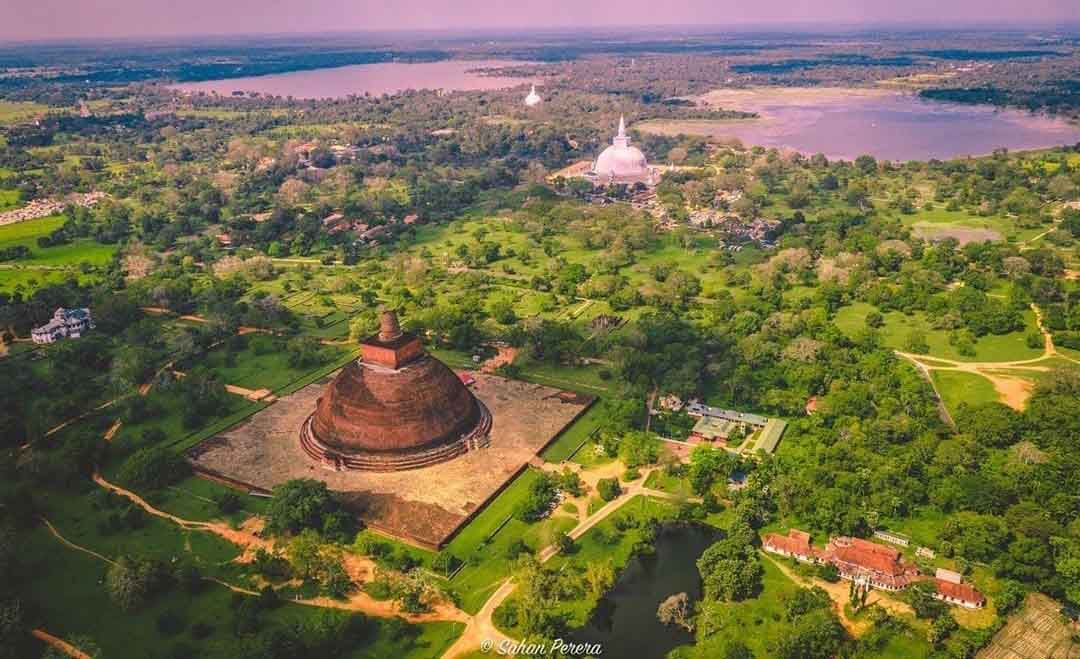
Anuradhapura Ancient City_©thevisitlankatours.com
Polonnaruwa: The Era of Expansion and Artistic Flourish
After Anuradhapura, Polonnaruwa became the next major capital, marking a new era in Sri Lankan architecture. The city embraced a mix of traditional Buddhist styles and Hindu influences from South India. One of the most significant contributions during this time is the construction of the Gal Vihara, an impressive rock temple housing colossal Buddha statues carved directly from granite.
The Vatadage (circular relic houses) in Polonnaruwa showcases an evolution in architectural techniques, focusing on geometric precision and intricate stone carvings. It is an excellent example of how Sri Lankan architects combined functionality with aesthetic appeal.
Contemporary Sri Lankan Architecture: Blending the Old with the New
Geoffrey Bawa: The Pioneer of Modern Sri Lankan Architecture
No discussion about contemporary Sri Lankan architecture is complete without mentioning Geoffrey Bawa. Often referred to as the father of tropical modernism, Bawa's work introduced a new perspective to the architectural landscape of Sri Lanka.
- Kandalama Hotel: One of Bawa's most notable works is the Kandalama Hotel. Built seamlessly into the surrounding landscape, it exemplifies his philosophy of integrating architecture with nature. The hotel’s structure, made using local materials, merges with the jungle and lake, reducing the impact on the environment.
- Parliament Building: Another remarkable work is the Sri Lankan Parliament in Kotte, which blends modern functionality with traditional Sri Lankan aesthetics. The use of water as a surrounding feature symbolizes the close connection between Sri Lankan culture and nature.
Bawa’s designs were functional and created a sense of serenity, drawing on historical perspectives while pushing the boundaries of modern design.
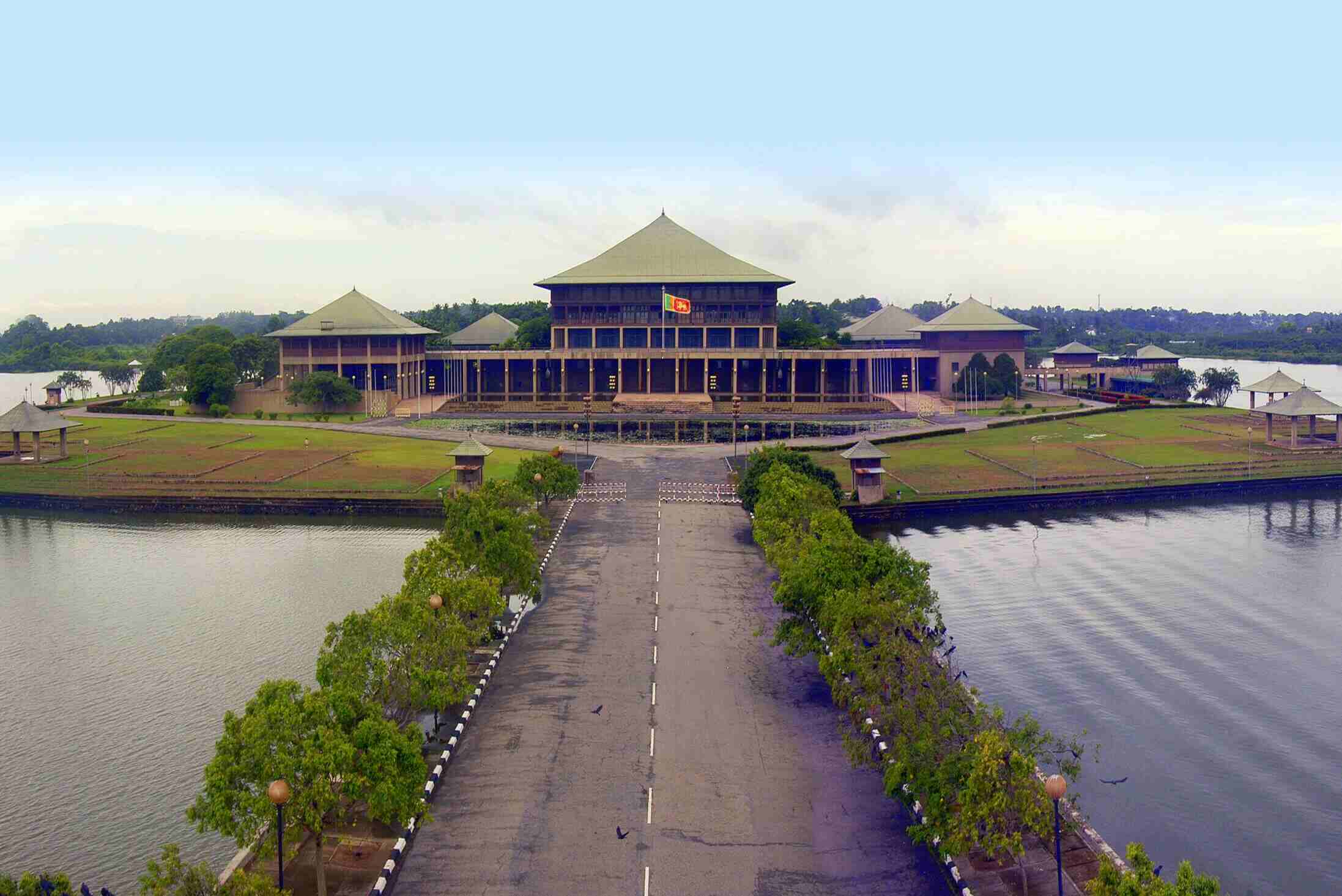
Sri Lankan Parliament in Kotte_©punchat.in
Green Architecture and Sustainability in Modern Times
In recent years, Sri Lankan architecture has evolved to incorporate sustainability, reflecting global trends. Many modern architects are inspired by Bawa’s principle of harmonizing with nature, with a focus on green architecture.
- Vertical Gardens and Green Roofs: A growing trend in urban settings is the incorporation of vertical gardens and green roofs in buildings. These not only enhance the aesthetic appeal but also improve energy efficiency by providing natural insulation.
- Energy-Efficient Buildings: Modern Sri Lankan architects are increasingly designing buildings that are energy-efficient, using materials that reduce carbon footprints. Solar energy, rainwater harvesting systems, and cross-ventilation are widely adopted in new constructions.
This shift towards sustainable practices is essential as the island nation faces climate challenges. By using traditional building methods and natural materials, contemporary Sri Lankan architecture continues to honor its past while looking towards the future.
Key Architectural Elements of Sri Lankan Buildings
While both historical and contemporary structures in Sri Lanka have distinct features, they share common elements that define the island's architectural identity:
1. Integration with Nature
Sri Lankan architects have always placed a high value on the natural environment. Whether it is a temple in Anuradhapura or a modern hotel by Bawa, buildings in Sri Lanka often blend seamlessly with their surroundings.
2. Use of Local Materials
Throughout the centuries, Sri Lankan architecture has relied on locally sourced materials, such as clay, stone, timber, and later, concrete. This approach not only reflects resourcefulness but also adds durability to structures.
3. Symmetry and Geometry
The ancient stupas and temples often feature symmetry, symbolizing balance and harmony. Similarly, contemporary architects focus on geometric designs that enhance visual appeal while maintaining functionality.
Real-Life Examples of Sri Lankan Architecture
- Sigiriya Rock Fortress: A UNESCO World Heritage site, Sigiriya is an ancient palace and fortress complex that exhibits architectural brilliance. The advanced hydraulic systems, such as the water gardens, are a testament to the technical expertise of the time.
- Lighthouse Hotel in Galle: Another masterpiece by Geoffrey Bawa, this hotel combines colonial elements with modern design. Its location near the Galle Fort, an iconic colonial structure, ties together Sri Lanka's architectural evolution from ancient to modern times.
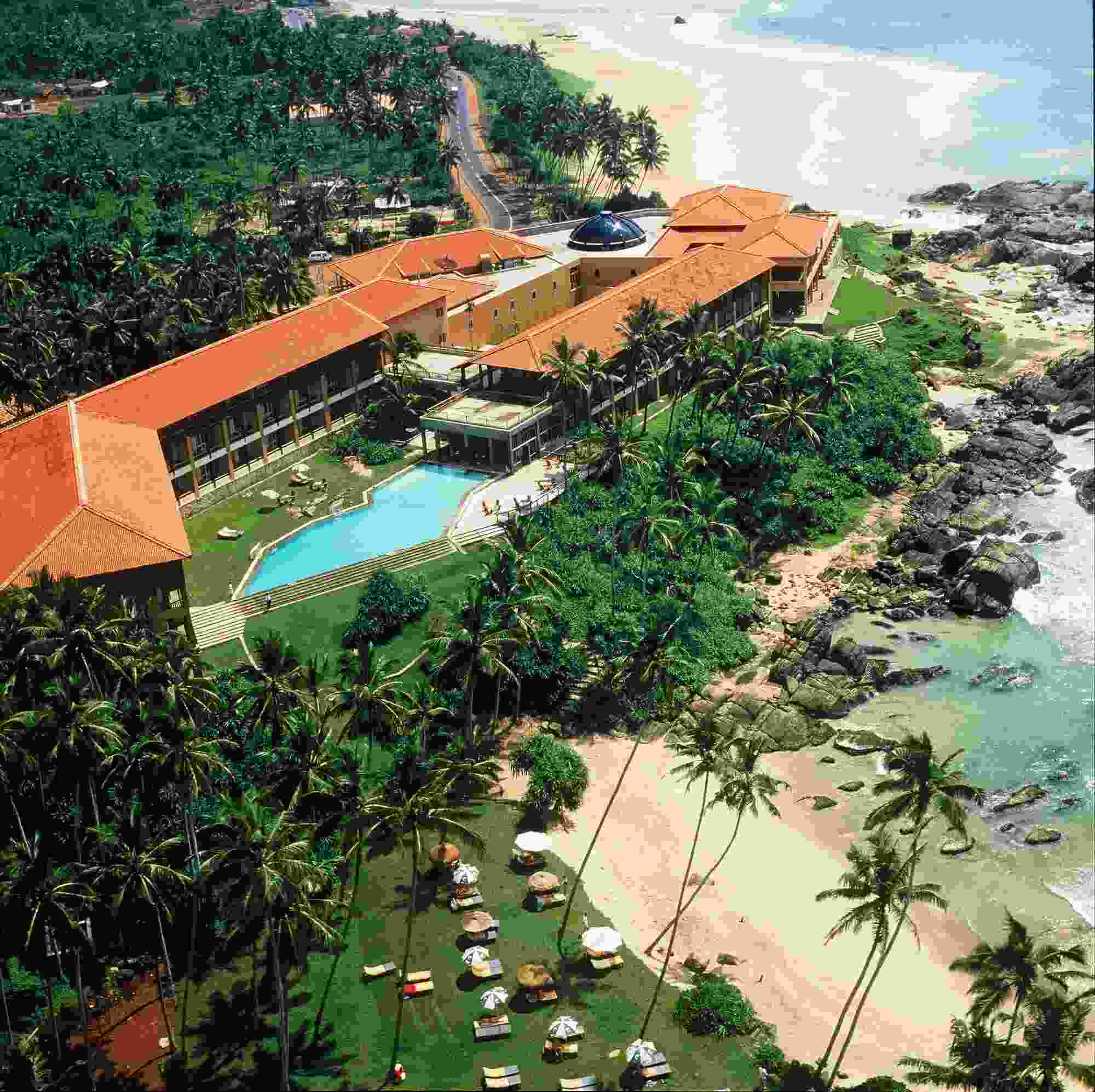
Lighthouse Hotel in Galle_©archdaily.com
Conclusion
Sri Lankan architecture is a captivating journey through time, reflecting the island's cultural, religious, and environmental values. From the ancient stupas of Anuradhapura to the sustainable innovations of modern architects, each era has contributed to the nation's unique architectural identity. By blending tradition with modernity, Sri Lankan architects create designs that are not only functional but also deeply connected to the island’s natural beauty and cultural roots.
The future of architecture is bright, but are your skills keeping pace? Kaarwan's architecture-specific courses provide you with the knowledge and tools to confidently navigate the AEC industry. Gain valuable insights, master in-demand software, and stand out with designs that impress!
FAQs
Q.1 What is Sri Lankan architecture?
Sri Lankan architecture is a blend of ancient, medieval, and modern design, deeply influenced by Buddhism, nature, and cultural traditions. It includes structures like stupas, monasteries, and modern buildings integrated with the environment.
Q.2 Who is the father of architecture in Sri Lanka?
Geoffrey Bawa is considered the father of modern Sri Lankan architecture. He pioneered tropical modernism, integrating local materials and nature into his designs.
Q.3 What is Sri Lanka's vernacular architecture?
Sri Lanka's vernacular architecture emphasizes the use of local materials like clay, timber, and stone. It focuses on natural ventilation, sustainability, and harmony with the environment.
Q.4 Who is the first architect of Sri Lanka?
While ancient builders are unknown by name, Geoffrey Bawa is often recognized as the first architect to modernize Sri Lankan architecture.
Q.5 What are the architectural marvels of Sri Lanka?
Some architectural marvels include Sigiriya Rock Fortress, Anuradhapura’s stupas, and Geoffrey Bawa’s Kandalama Hotel and Sri Lankan Parliament.