Have you ever wanted to design furniture that is both visually stunning and functional? With a parametric approach, Grasshopper for furniture design allows designers to explore complex forms with precision. Whether you are an architecture student or a professional expanding your skill set, learning Grasshopper can open up endless design possibilities.
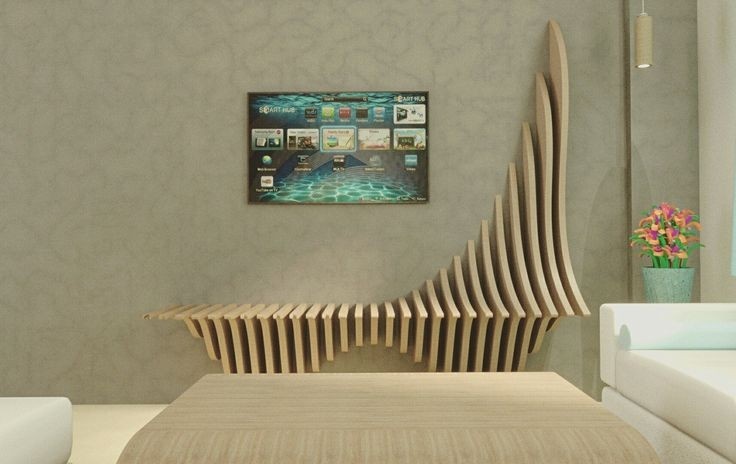
Image Credit: Pinterest
Read more:
This guide will take you through the fundamentals of using Grasshopper for furniture design, showing how parametric design is transforming traditional furniture-making.
Why Use Grasshopper for Furniture Design?
Grasshopper is a visual programming plugin for Rhino that enables designers to create algorithm-driven forms without manual modeling.Exploring FabTools for Advanced Fabrication in Grasshopper Software
Key Benefits of Parametric Furniture Design with Grasshopper:
- Precision & Efficiency – Modify design parameters dynamically without redrawing models.
- Complex Geometries – Create organic structures that are difficult with traditional CAD tools.
- Material Optimization – Reduce waste and maximize material efficiency.
- Seamless Digital Fabrication – Easily export files for CNC milling, 3D printing, or laser cutting.
Read more: Optimizing Grasshopper Models for Fabrication in Rhino Architecture
Getting Started with Grasshopper for Furniture Design
1. Installation & Interface Overview
Before beginning, ensure you have Rhino installed with the Grasshopper plugin.
Once opened, Grasshopper operates using a node-based system—instead of coding, you create "components" and connect them to define interactions between design elements.
2. Key Grasshopper Components to Master
Before designing parametric furniture, familiarize yourself with:
- Curves – Create basic geometry and control points.
- Transformations – Move, scale, and rotate objects parametrically.
- Panels & Surfaces – Generate surface textures for aesthetics & functionality.
- Data Trees – Organize complex datasets effectively.
Read more: Efficient File Optimization for Parametric Design Fabrication
Designing Parametric Furniture: Step-by-Step Guide
Step 1: Define Your Base Geometry
Start by creating a basic 2D furniture outline. For example, if designing a chair:
- Use Curve components to sketch outlines.
- Apply Divide Curve to split shapes into adjustable points.
Step 2: Apply Parametric Adjustments
Introduce flexibility by linking sliders to design parameters.
- Seat Height & Width – Adjust dynamically via an extrusion slider.
- Backrest Curvature – Modify control points for organic shaping.
Read more: Digital Fabrication Simplified with Parametric Modelling
Step 3: Experiment with Forms & Patterns
Grasshopper’s ability to generate complex patterns enhances furniture aesthetics.
- Use Paneling Tools to create perforated textures.
- Apply Voronoi Diagrams for organic, web-like structures.
Step 4: Prepare for Fabrication
Once satisfied with the parametric model, export it for manufacturing.
- Use Contour Component to create sliced data for CNC cutting.
- Export files in DXF format for digital fabrication.
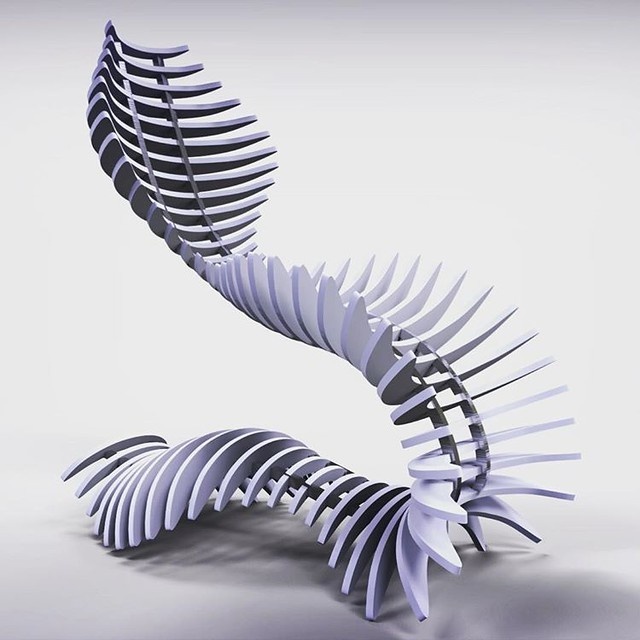
Image Credit:Flickr
Read more: Algorithmic Design in Grasshopper: The Future of Parametric Modelling
Real-World Applications of Parametric Furniture
1. Customizable Interior Solutions
Architects use Grasshopper to create adaptive furniture that adjusts to spatial constraints. Examples include: ✅ Adjustable desks & modular shelving
2. Vastu-Inspired Architectural Furniture
Parametric scripts can be designed using Vastu dimensions, ensuring: ✅ Balanced proportions while exploring modern aesthetics.
Read more: Advanced Techniques for Visualizing Parametric Designs in Rhino
3. Sustainable Materials & Waste Reduction
Grasshopper helps optimize material consumption, ensuring: ✅ Minimal waste for eco-friendly fabrication.
In Essence
Grasshopper is revolutionizing furniture design by providing unmatched precision, flexibility, and material efficiency.
Whether you’re creating experimental furniture or optimizing designs for digital fabrication, parametric design will elevate your skills.
Want to advance further? Explore our Grasshopper Advanced Course or integrate ancient wisdom with modern design through our Vastu Shastra Course.
Visit our website Kaarwan for more!
FAQs
1. Is Grasshopper difficult to learn for beginners?
Not at all! Grasshopper’s node-based system is beginner-friendly. With structured learning & practice, parametric design becomes intuitive.
2. Can Grasshopper be used for real-world furniture production?
Yes! Many architects & designers use Grasshopper for CNC milling & 3D printing, making mass furniture production feasible.
3. How does parametric design differ from traditional CAD modeling?
- Traditional CAD relies on static models, requiring manual adjustments.
- Parametric Design allows real-time modifications based on set parameters.
4. Can Grasshopper optimize material use for sustainability?
Yes! Grasshopper enables efficient material planning, reducing waste in digital fabrication.
5. Where can I learn Grasshopper for furniture design?
Enroll in our Grasshopper Training Course—covering everything from basics to advanced parametric furniture design.
Cover Image Credit: Flickr