

.jpeg)
You spent five years in B.Arch. You have your degree. You've built some projects. And yet the job applications aren't converting. Here's the thing, Indian architecture firms in 2026 aren't just hiring designers. They're hiring people who can walk in on Day 1 and contribute. That means specific software, a certain kind of portfolio, and team skills that most colleges never teach. This guide breaks down exactly what recruiters check and what you can do about it before your next application.
Before we get into what firms check, if you haven't started on your portfolio yet — here's how to build an architecture portfolio that actually gets you shortlisted.
What exactly do architecture firms expect from fresh candidates in 2026?
This blog breaks down the must-have software skills, teamwork qualities, and industry expectations for anyone looking to join leading Indian firms this year.
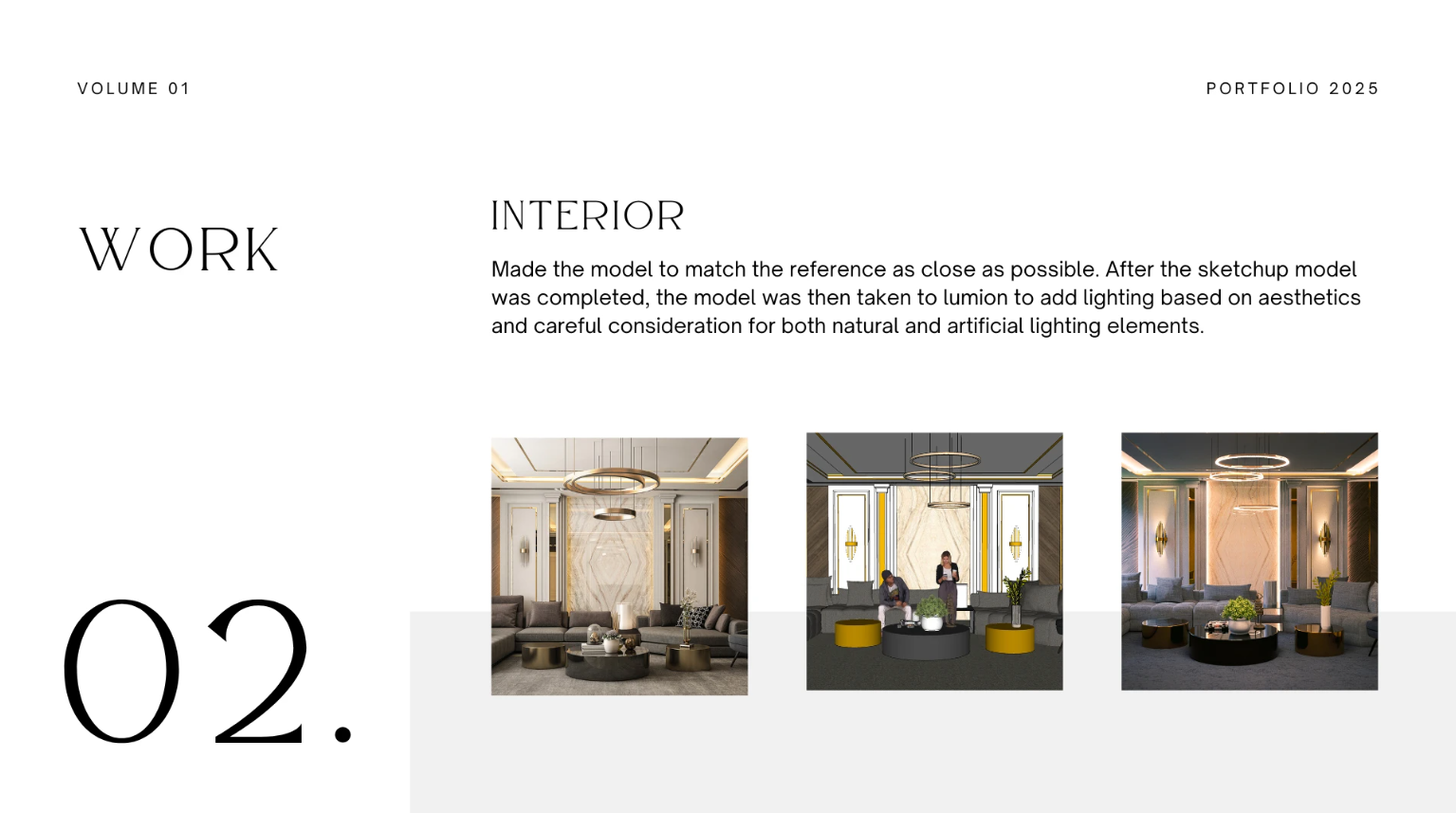
1. The Software Skills Indian Firms Check Before Reading Your Portfolio
In college, students spend hours sketching, drafting, and designing concepts. While creativity remains vital, firms now expect digital proficiency from day one.
Key Software Skills in Demand (2025):
- SketchUp & Lumion: Fast conceptual modelling + rendering for client presentations. Not sure why firms specifically ask for Lumion over other renderers? Here's why employers in India prefer SketchUp + Lumion skills over everything else when hiring for client-facing roles
- AutoCAD & Revit (BIM): Essential for technical drawings and collaborative workflows. If you're new to BIM, this guide breaks down the Revit certification path step by step — from what the exam covers to which level makes sense for a fresh graduate.
- Rhino & Grasshopper (Computational): Increasingly valued for complex forms and sustainability simulations.
- Adobe Suite (Photoshop, Illustrator, InDesign): Indispensable for post-production and portfolio-making.
Students aiming for smooth entry into firms should master tools offered in our SketchUp Rendering and Mastery and BIM Courses.
Still figuring out which tool to start with? Revit and SketchUp cover 80% of what Indian firms test in interviews. Kaarwan's SketchUp + Lumion Certification (4 weeks) and Revit & BIM Program (4 months) are built around what recruiters actually check — and both come with certificates you can add directly to your resume and LinkedIn.
2. Team Skills Matter as Much as Software
Firms emphasise collaboration and communication more than ever. Candidates are expected to:
- Work in multi-disciplinary teams (architects, engineers, consultants).
- Use cloud-based collaboration platforms.
- Adapt quickly to new workflows and software.
Soft skills like time management, adaptability, and clarity in communication are no longer optional—they are career accelerators.
_1759689068046.webp)
3. What's Changed in 2026 — And What Firms Are Prioritising Now
- BIM Adoption: Many Indian firms are transitioning to BIM-first workflows; candidates must know Revit or ArchiCAD basics.
- Sustainability Focus: Firms look for candidates familiar with climate-responsive design and tools like Grasshopper for simulations.
- Fast Client Turnarounds: Rendering skills (SketchUp, V-Ray, Lumion) make candidates valuable for real-time presentations.
- Global Exposure: International projects handled by Indian firms require adherence to global digital standards.
This is why many final-year students join our Thesis Bootcamp —to align academic projects with real-world workflows and firm-ready expectations.
4. What a Recruiter Looks at in the First 60 Seconds
Recruiters and senior architects often look for three things when evaluating fresh graduates:
- Portfolio Quality: Strong visualisation, clean technical drawings, and digital post-production. Most students make the same three mistakes when putting their portfolio together, these 5 hacks fix the ones that cost you the shortlist.
- Software Proficiency: Candidates who can “plug-and-play” into existing workflows.
- Workplace Maturity: Confidence, teamwork, and eagerness to learn.
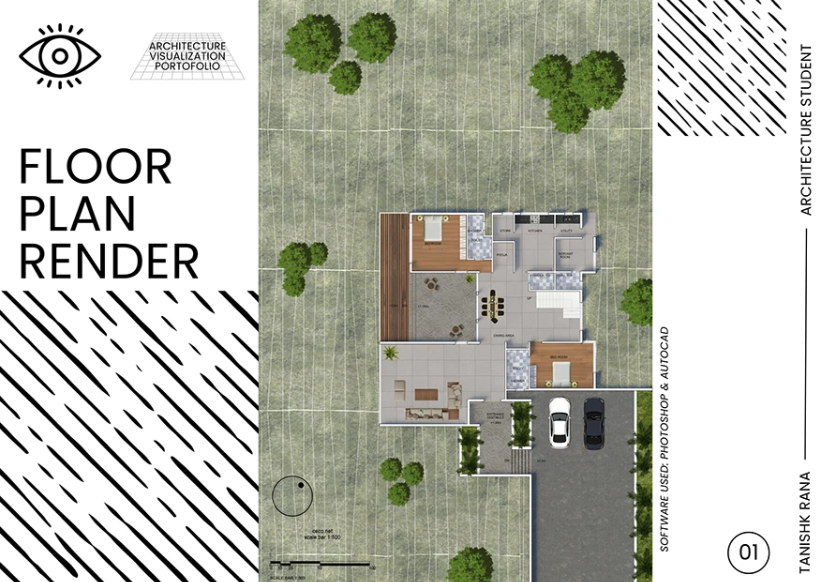
5. How to Get Hired at an Architecture Firm in 2026: A Practical Checklist
- Build a portfolio that balances design and technical clarity.
- Show proficiency in at least 3 major tools: one for drafting (AutoCAD/Revit), one for modelling (SketchUp/Rhino), and one for rendering/post-production (Lumion/Adobe).
- Highlight internship or thesis projects where you collaborated with others.
- Take certified short courses that prove your skills beyond classroom learning.
Our Visualisation & Rendering Programmes, BIM Certification Pathways, and Computational Design Courses are designed to bridge exactly this academic–professional skill gap.
Architecture Salary in India 2026: What Firms Actually Pay Fresh Graduates
Nobody tells you this part during college. So here it is, straight.
A fresh B.Arch graduate joining a design studio in India can expect to start somewhere between ₹15,000 and ₹25,000 a month. That's the honest ground reality and yes, it feels lower than expected after five years of hard work. But the number moves fast depending on one thing: what you bring to the table on Day 1.
Firms that run BIM-first workflows and there are more of them every year pay freshers with Revit skills between ₹28,000 and ₹35,000. That gap isn't small. Over a year, it's nearly ₹1.5 lakh extra, just for knowing one additional tool better than your peers.
Starting salary: fresh B.Arch 2026
AutoCAD only ₹15,000 – ₹20,000/mo
SketchUp + Lumion rendering ₹20,000 – ₹28,000/mo
Revit + BIM certified ₹28,000 – ₹35,000/mo +40%
The BIM certification that puts you in the ₹28,000–₹35,000 bracket is a 4-month program and most students complete it while still in their final year. Kaarwan's Revit & BIM Certification is Autodesk-recognized, taught by practicing BIM architects, and ends with a portfolio project you can walk into interviews with.
Strong rendering skills (Lumion, V-Ray) also pull your starting number up — client-facing studios pay a visible premium for candidates who can produce presentation-quality visuals without hand-holding. That 40% salary jump comes down to one certification. Here's what the Revit & BIM certification covers , and why most Indian firms now ask for it even at the fresher level.
One more thing that shifts the number: whether you worked on a real, live project during your internship. Students who can say "I contributed to this built project" move out of the fresher bracket faster than anyone else even if their software skills are average. Final year and haven't done a firm internship yet? Your thesis counts — if you structure it the way architecture firms actually want to see it.
The salary ceiling for architects in India is genuinely high. Senior architects at large firms and infrastructure consultancies earn ₹80,000–₹1.2 lakh/month, and principals at top practices earn significantly more. Getting there quickly comes down to the same thing at every stage — specific, demonstrable skills over generic experience.
Where Is the Demand for Architects in India Right Now?
The short answer: it's real, it's growing, and it's concentrated in very specific pockets. Here's where the actual hiring is happening in 2026 and which skills each sector actually wants.
Real estate and residential design is the largest employer of fresh architecture graduates right now. Developers like DLF, Godrej Properties, Prestige Group, Sobha, and Lodha run structured hiring programs for B.Arch graduates particularly for site coordination, design development, and documentation roles. These jobs are steady, and they're available across Mumbai, Bangalore, Pune, Hyderabad, and Delhi NCR.
Infrastructure and smart cities is where the real volume is building. India's National Infrastructure Pipeline covering metro projects in 27+ cities, expressways, airports, and smart city development has quietly created consistent demand for architects with BIM and technical documentation skills. The work is less glamorous than studio design, but the pay is better and the volume of roles is significantly higher.
BIM outsourcing is one of the most underrated entry points for fresh graduates. Global architecture firms outsource documentation, modelling, and coordination work to Indian teams and they hire Revit-proficient freshers at salaries that are noticeably higher than domestic design studios. If you have a BIM certification and reasonable Revit skills, this is worth targeting specifically. If this is the route you want to target, these are the Revit courses Indian freshers are using to get into BIM outsourcing roles with what each one actually covers.
Interior and commercial design continues to hire at high volume, especially in Bangalore, Mumbai, and Pune. Studio roles here typically need SketchUp, rendering tools, and strong visual communication skills. Want to see what studio-ready renders actually look like? This breakdown of interior and exterior rendering in Lumion shows you the standard firms expect before they hire. The pace is fast, the projects are short-cycle, and it's one of the quickest ways to build a real portfolio.
The demand exists. The gap that's actually slowing fresh graduates down isn't the job market — it's arriving at interviews with skills that don't match what these sectors need in 2026. That's the gap worth closing first.
Final Thoughts
Indian architecture firms in 2025 want candidates who are not just creative thinkers, but also digitally fluent team players. The gap between university learning and professional expectations is wide—but completely bridgeable with the right software training, soft skills, and project-ready experience.
The gap between where you are now and what firms want to see in 2026 is smaller than it feels. It's not about being more creative or working harder on design. It's one or two specific tools, built properly, with something to show for it.
Over 10,000 architecture students across India have used Kaarwan's courses to make exactly this jump from college skills to firm-ready. The courses are short, certified, and built around what Indian recruiters actually hire for.
Browse all architecture courses or if you're not sure which one fits where you are right now, book a free 15-minute career call and someone from the team will tell you honestly.
For students and graduates, this is the perfect time to upskill and position yourself as the candidate firms cannot ignore.
FAQs
Q1. Which software should architecture students prioritise in 2026?
Start with AutoCAD or Revit for technical drawings, SketchUp for quick 3D modelling, and Lumion or V-Ray for rendering. If you can add Grasshopper or Rhino for computational design, that's a strong bonus — especially for firms doing sustainability simulations or complex facades.
Q2. Do firms value BIM knowledge for entry-level architects?
Yes. Even basic BIM skills set you apart, as many firms are transitioning to BIM-first workflows. Never opened Revit before? This beginner's masterclass for architects starts from zero and gets you to a working model in the first session.
Q3. How important are soft skills in recruitment?
Extremely. Communication, teamwork, and adaptability often decide who gets hired.
Q4. Can final-year students prepare while working on their thesis?
Yes. Many join Thesis Bootcamp to align thesis work with firm-ready outputs.
Q5. Do certifications actually help in job placements?
Yes. Certified short courses in BIM, rendering, or computational design add credibility to portfolios.
Q6. What is the starting salary for a fresh architecture graduate in India in 2026?
Most fresh B.Arch graduates start between ₹15,000 and ₹25,000 per month at design studios. That number goes up significantly with software skills — freshers with Revit or BIM certification typically start at ₹28,000–₹35,000 at tech-forward firms and infrastructure consultancies. Location matters too: Mumbai, Bangalore, and Pune pay higher than smaller cities for equivalent roles.
Q7. Is there good demand for architects in India right now?
Yes, and it's growing. The combination of smart city projects, a massive infrastructure pipeline, and continued real estate expansion has kept hiring steady for architecture graduates across India. The demand is strongest for candidates who can combine design thinking with hands-on software skills. Firms don't struggle to find architects — they struggle to find architects who are ready to work from Day 1.




.png)