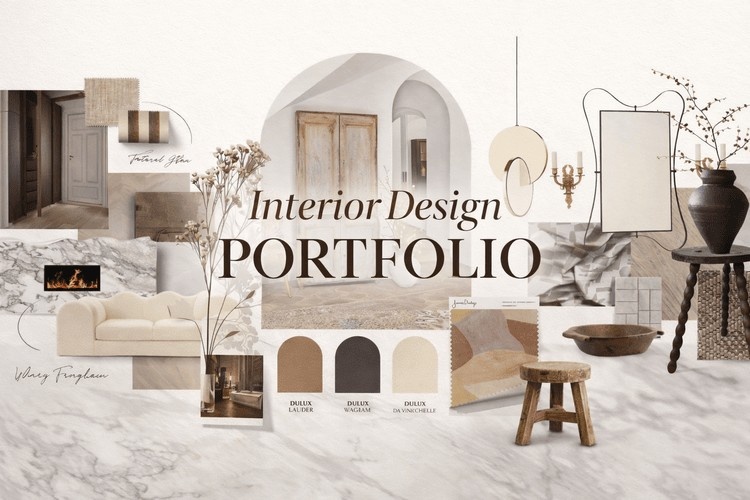
Whether you're a final-year design student preparing to enter the job market or a working designer looking to land better clients, one thing remains non-negotiable: your interior design portfolio. In 2026, the design industry is more competitive and more digitally driven than ever before, and your portfolio is often the very first impression you make.
A great portfolio for interior designers isn't just a collection of pretty pictures. It's a carefully crafted visual story that communicates your skills, your thinking, your style, and your value. If done right, it opens doors you didn't even know existed.
Why Your Portfolio Is More Than Just a Showcase
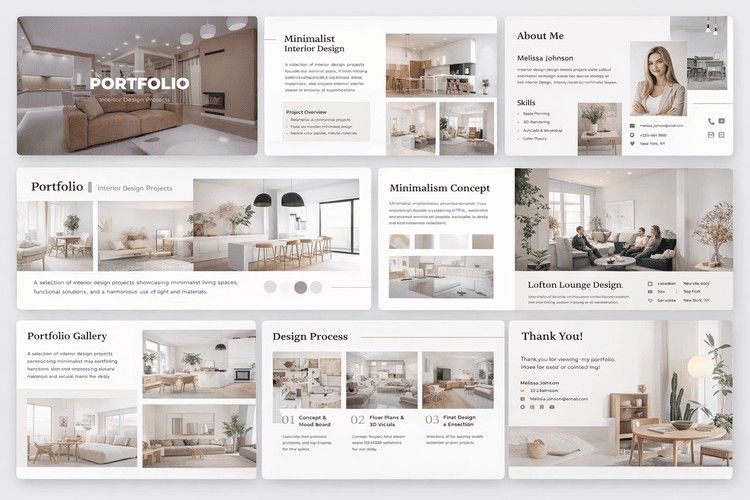
Think of your interior design portfolio as your most powerful marketing tool. Clients and employers don't just want to see what you've designed; they want to understand how you think, why you made certain choices, and what kind of designer you are to work with.
"Your portfolio is a window into your creative soul." — Kelly Wearstler, renowned interior designer
A portfolio that only shows final images misses the point entirely. Firms and clients today look for the design process, from initial sketches and concept development all the way to the finished space. This is what separates designers who get hired from those who don't.
What to Include in Your Interior Design Portfolio
Knowing what to put in is just as important as knowing what to leave out. Here's a breakdown based on where you are in your career:
For Interior Design Students with Minimal Experience
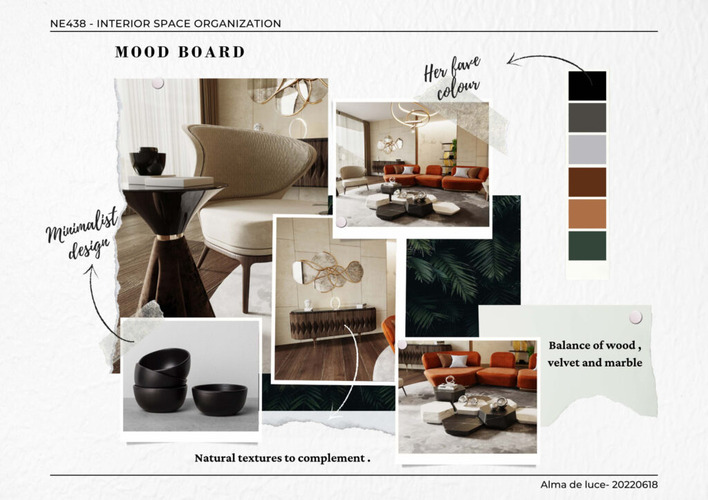
If you're just starting out as one of many interior design students, don't panic about not having real projects yet. Focus on:
- Mood boards and concept development exercises
- Academic or personal projects that demonstrate creative thinking
- Sketches, floor plans, and 3D renderings
- Any internship work or collaborative college projects
Platforms like Behance and Canva are great starting points for interior design students to put together a clean, professional-looking portfolio without needing advanced technical skills.
For Working Professionals
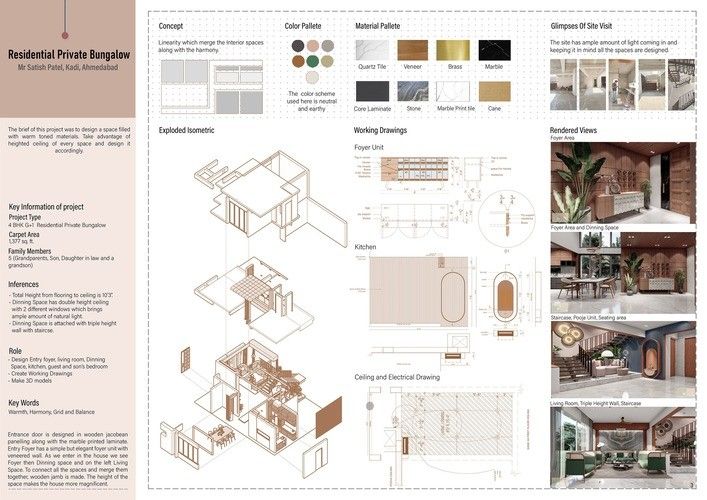
If you're an experienced or aspiring professional interior designer, your portfolio should go deeper:
- Curated photographs of completed projects (before and after)
- Case studies with problem statements and solutions
- Technical drawings, elevations, and material boards
- Client testimonials that reinforce your credibility
Need inspiration? Browse real professional portfolios on Behance or study curated examples on Format Magazine to see what a strong professional portfolio looks like.
One critical rule across both groups: quality over quantity. Showing 6 exceptional projects will always outperform showing 20 average ones.
Going Digital: Building Your Online Portfolio in 2026
In 2026, having an online portfolio isn't optional; it's expected. Most employers and clients will search for you online before they ever reach out, so your digital presence needs to be polished, fast-loading, and mobile-friendly.
Keep it simple but intentional, organise your projects clearly, write a short bio, and make your contact information easy to find. High-resolution images are a must, and don't overlook SEO; using the right keywords in your project descriptions helps the right people find you organically.
Best Platforms to Build Your Portfolio
Not sure where to start? These platforms are tried, tested, and designer-friendly:
- Squarespace — Squarespace offers sleek, minimal templates that let your design work speak for itself.
- Wix — Wix is beginner-friendly, offering a variety of interior design templates and a helpful portfolio guide built specifically for designers.
- Behance — Behance is Free and widely used by interior design students and professionals. Great for visibility and getting discovered by recruiters. Explore Behance Portfolios.
- Archifolio — Built specifically for architects and interior designers. If you want an online portfolio that speaks the design language from day one, this is it. Explore Archifolio and get started
Real Portfolios Worth Studying
Sometimes, the fastest way to understand a great portfolio for interior designers is to simply study one. Here are two worth bookmarking:
- Kelly Wearstler — A masterclass in personal branding, visual storytelling, and luxury design.
- DKOR Interiors — A beautifully structured residential portfolio that shows exactly how to organise projects by category.
The Power of Storytelling in Your Portfolio
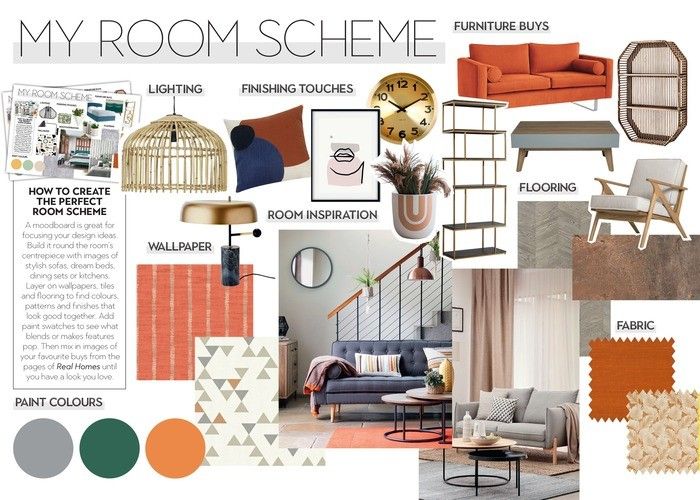
Image credit: Sermitsiaq.ag
One of the most underused design portfolio tips is storytelling. When someone browses your portfolio, they're not just evaluating your aesthetic; they're imagining what it would be like to work with you.
For each project, make sure your narrative covers:
- What the client needed — the brief, the vision, the problem to solve
- What challenges did you face – space constraints, budget limits, design conflicts
- How your design process solved it — your approach, decisions, and final outcome
- Before-and-after visuals — nothing shows transformation more powerfully than a side-by-side comparison
This narrative approach makes your interior design portfolio memorable and, more importantly, it makes it human.
Personal Branding: Making Your Portfolio Unmistakably Yours
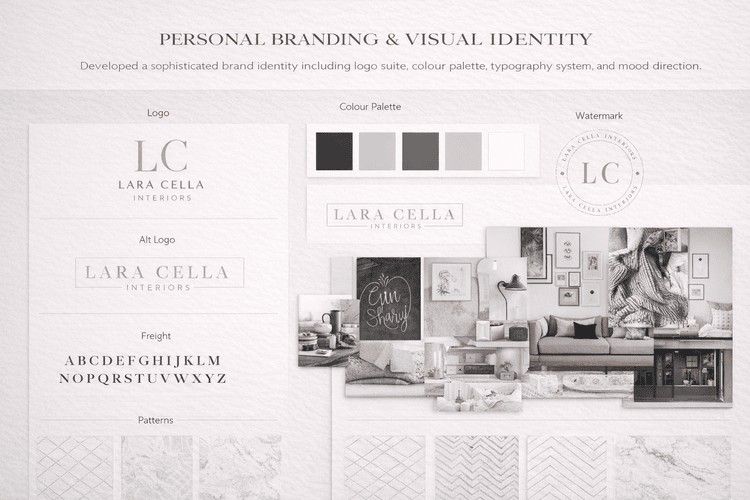
Strong personal branding is what separates a forgettable portfolio from one that sticks. Your personal branding should run consistently through every element of your portfolio:
- Colour Palette — choose colours that reflect your design personality and stay consistent throughout
- Typography — your font choices say a lot about your style; keep them clean and intentional
- Layout Style — minimal grid or expressive and bold, let your layout mirror how you design
- Tone of Writing — the way you describe your projects should sound like you, not a template
- Projects You Choose — the work you include is itself a branding statement; be selective and deliberate
If your style leans minimalist and contemporary, your portfolio should reflect that. If you're maximalist and eclectic, let that come through unapologetically.
Consistency in personal branding helps potential clients immediately understand who you are as a designer and whether you're the right fit for what they need.
Real-World Case Study: How a Strong Portfolio Changed One Designer's Career
Aditi Sharma, an interior design graduate from Pune, had the talent but struggled to land a job for months. Her portfolio was a basic PDF project with photos with no context, no story, and no personality.
She reworked it, added project narratives, mood boards, 3D renderings, and launched an online portfolio on Squarespace. She also took inspiration from real portfolios on Behance and studied examples from Elementor's portfolio guide to understand what works. Within three weeks, interview calls started coming in.
The takeaway is simple: talent gets you started, but a strong interior design portfolio gets you hired.
Ready to take your skills further? Explore Kaarwan's Advanced Interior Design Certification Course, covering space planning, material studies, and hands-on projects that directly strengthen your interior design portfolio.
Conclusion
Building a stunning interior design portfolio in 2026 comes down to being intentional about what you include, how you present it, and what story it tells. Whether you're still in school or already working as a professional interior designer, your portfolio is never truly "done." It should grow and evolve with you.
The good news? You don't need years of experience or expensive tools to start. You just need clarity, consistency, and a commitment to showing your best work with honesty and purpose. Ready to take your skills further? Explore Kaarwan’s interior design masterclass, where you’ll build strong foundations in space planning, material studies, and hands-on projects that directly strengthen your portfolio. Start today, because the right opportunity won’t wait.
FAQ'S
1. How many projects should I include in my interior design portfolio?
Include 5 to 8 well-documented projects. Focus on quality over quantity. Strong, clearly explained projects with process and outcomes create a better impression than too many weak examples.
2. Can students build a portfolio without real client projects?
Yes. Academic work, concept designs, mood boards, 3D renders, and space planning exercises are valid. Show your design thinking, creativity, and problem-solving clearly and professionally.
3. What is the best platform to build an online portfolio?
Choose platforms like Squarespace, Wix, Behance, or Archifolio. Pick one that is visually clean, mobile-friendly, easy to navigate, and simple to update regularly.
4. Should I have both a physical and digital portfolio?
A digital portfolio is essential in 2026. A physical copy helps during interviews or meetings, but most employers and clients will first discover you online.
5. How often should I update my portfolio?
Update it whenever you complete a strong project, learn a new skill, or refine your style. Regular updates show growth, consistency, and seriousness about your career.
6. What software should interior designers know?
Learn AutoCAD, SketchUp, Adobe InDesign, and Photoshop. These tools help present floor plans, layouts, and renderings professionally, meeting industry expectations in 2026.
7. Should I include failed or incomplete projects?
Avoid showcasing incomplete work separately. If a project taught valuable lessons, briefly mention it within your process to highlight problem-solving and professional growth.
8. How important is personal branding in a portfolio?
Personal branding is crucial. Consistent logo, colours, typography, and tone create a strong identity and help clients understand your style before reading details.
9. Can I use college projects in a professional portfolio?
Yes, especially as a beginner. Well-presented academic projects that clearly show your process, creativity, and design development are completely acceptable.
10. What is the biggest portfolio mistake designers make?
The biggest mistake is including too many random projects. A focused, curated portfolio with clear style and strong storytelling performs better than a cluttered one.