Whether you study architecture or work in the construction industry, you’ve likely heard of Building Information Modelling (BIM). But is BIM worth the investment?
The cost of BIM software and training makes many companies hesitant to adopt it. However, when used effectively, BIM can deliver a significant return on investment (ROI) by enhancing accuracy, efficiency, and cost savings in design and construction.
Let’s break down the ROI of BIM adoption, explore its benefits in construction, and determine whether it is a wise investment for professionals and students alike.
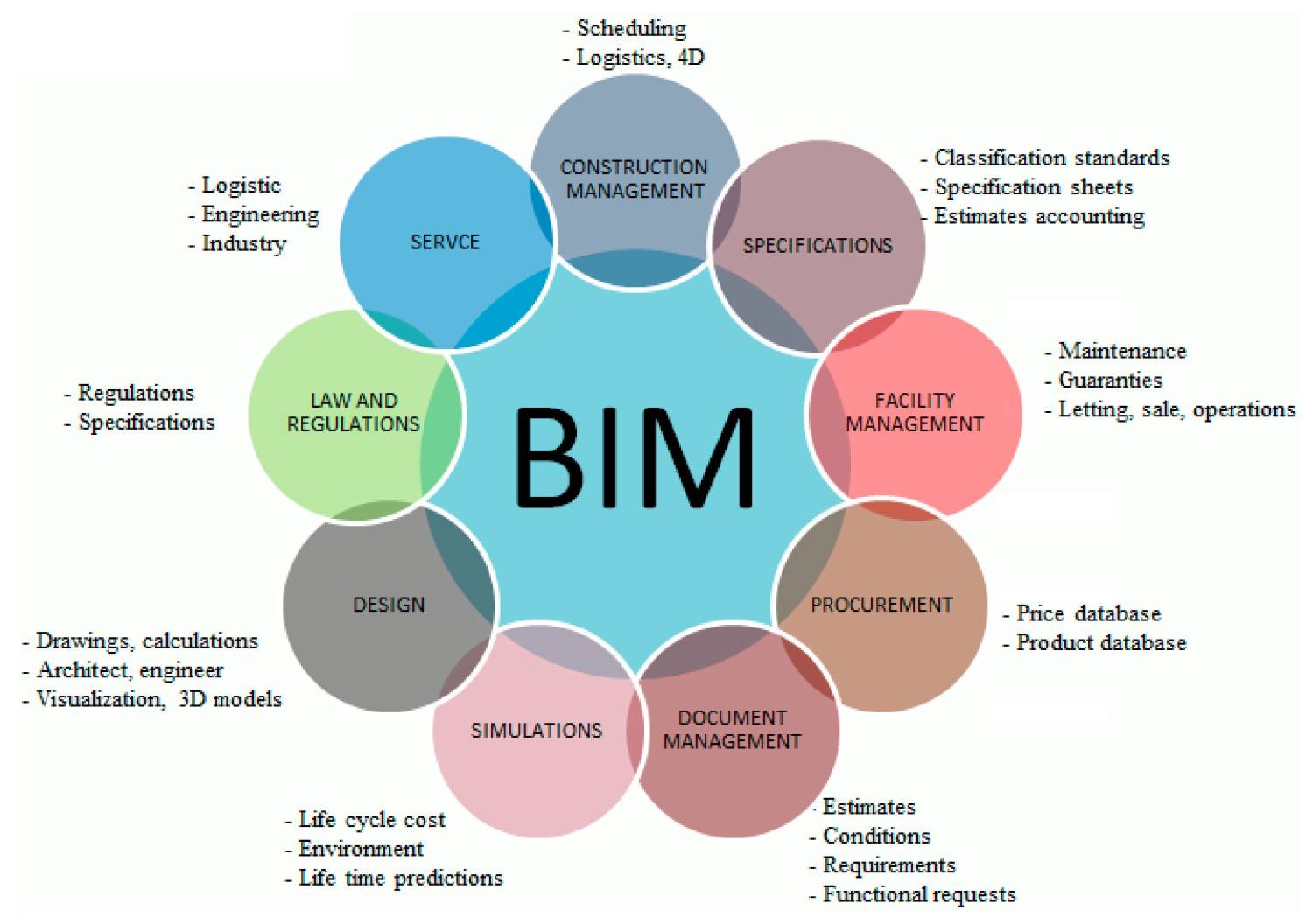
Image Credit: MDPI
Read more:
What is BIM, and Why Does It Matter?
Building Information Modelling (BIM) is a digital tool that enables architects, engineers, and construction professionals to design and manage building data using advanced 3D models.
Unlike traditional 2D drawings, BIM provides a data-rich environment, ensuring better collaboration and project management.BIM Efficiency: Enhancing ROI Through Time and Cost Savings
Key Benefits of BIM in Construction
1. Improved Efficiency and Collaboration
BIM integrates multiple disciplines—architecture, structural engineering, and MEP (mechanical, electrical, plumbing)—into a single model, reducing conflicts and miscommunication.
2. Reduced Waste and Costs
- Accurate quantity take-offs prevent material waste
- Clash detection prevents costly design errors before construction begins
Read more: Benefits of Using BIM for Cost Estimation in Indian Architecture
3. Better Project Scheduling
BIM minimizes delays by allowing real-time updates and seamless coordination between teams.
4. Enhanced Visualization and Decision-Making
Architects can create detailed 3D models using BIM tools like Revit, Rhino, and AutoCAD, enabling clients and stakeholders to visualize the final project more accurately.
Calculating the ROI of BIM Adoption
Many companies hesitate to invest in BIM due to high upfront costs. However, let’s examine how the long-term returns justify the initial investment.
1. Upfront Costs of BIM Implementation
- BIM Software Licenses (Revit, ArchiCAD, etc.)
- Staff Training and Skill Development
- Hardware Upgrades for better processing power
Read more: Using BIM in Lifecycle Cost Analysis: A Smarter Way to Build for the Future
2. Long-Term Savings and Benefits
- Clash detection helps avoid costly mistakes, saving companies 5–15% of the total project cost
- BIM reduces project delays by up to 50%
- Accurate material estimations lead to a 10–30% reduction in material waste
3. Real-Life Case Studies
- A UK-based study found that companies implementing BIM reported a 20–30% ROI within the first three years
- Industry giants like Skanska and AECOM have reported higher efficiency and profitability after switching to BIM
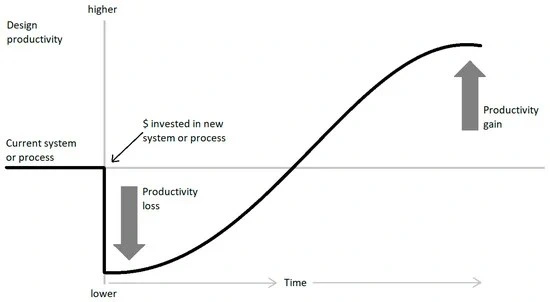
Image Credit: MDPI
Read more: Cost-Efficient BIM Strategies & Solutions for Indian Architecture Firms
Is BIM Worth It for Students?
For students, BIM proficiency is a major career advantage. Many firms prioritize candidates with BIM skills, making knowledge of Revit and other BIM tools an asset.
Although learning BIM requires time and effort, the long-term career benefits far outweigh the initial learning curve.
Want to fast-track your BIM learning? Enroll in our Advanced BIM Course to gain hands-on experience with industry-standard tools.
Read more: Navigating Scheduling and Cost Estimation in Revit
How BIM Enhances Traditional Vastu Design
Beyond modern architecture, BIM is also being used to analyze and restore historical Vastu architecture.
By creating digital twins of heritage structures, architects can:
- Preserve ancient designs
- Identify structural weaknesses
- Develop restoration strategies that align with Vastu principles
If you’re interested in the intersection of BIM and Vastu architecture, consider enrolling in a Vastu Shastra course.
Read more: How to Get Accurate Material Estimates with Take-Off Data from BIM Models
Conclusion
BIM is not just a passing trend—it is a long-term investment that enhances project outcomes, reduces costs, and improves efficiency.
Whether you’re a company considering BIM adoption or a student preparing for the industry, the ROI of BIM is undeniable.
Want to build expertise in BIM? Explore Kaarwan’s professional courses for practical BIM training and career growth.
Visit our website Kaarwan for more!
Common Questions
1. How long does it take to see a return on BIM investment?
Most companies report an ROI within 2–3 years, with significant savings on material, rework, and project schedules.
2. Should architecture students learn BIM software?
Yes! Many firms require BIM proficiency, and learning Revit or other BIM tools can make you more competitive in the job market.
3. What are the best BIM software programs?
Popular BIM tools include:
- Revit – Industry standard for BIM modeling
- Archicad – Ideal for architectural design
- Rhino & AutoCAD – Used for complex design integration
4. Can BIM be applied to Vastu architecture?
Absolutely! BIM allows for accurate documentation, preservation, and analysis of traditional Vastu architecture.
5. Where can I learn BIM skills?
Join a BIM course at Kaarwan to get practical training in industry-standard BIM tools.
Cover Image Credit: Pinnacle IIT