Vernacular Window Styles in India:
Vernacular architecture in India has always seamlessly merged local materials, traditional building techniques, and cultural expression, and its windows are no exception. From their intricate woodwork and ornamental forms to practical responses to harsh climates and regional customs, vernacular window styles reflect centuries of regional evolution and community identity. These windows aren’t just openings for ventilation and light—they are embodiments of history, local craft traditions, and climatic intelligence. Let’s explore five unique vernacular window styles across India, each speaking volumes about its geography, materials, cultural influences, and architectural ingenuity.
1. Chettinad Stained Glass Windows: Tamil Nadu
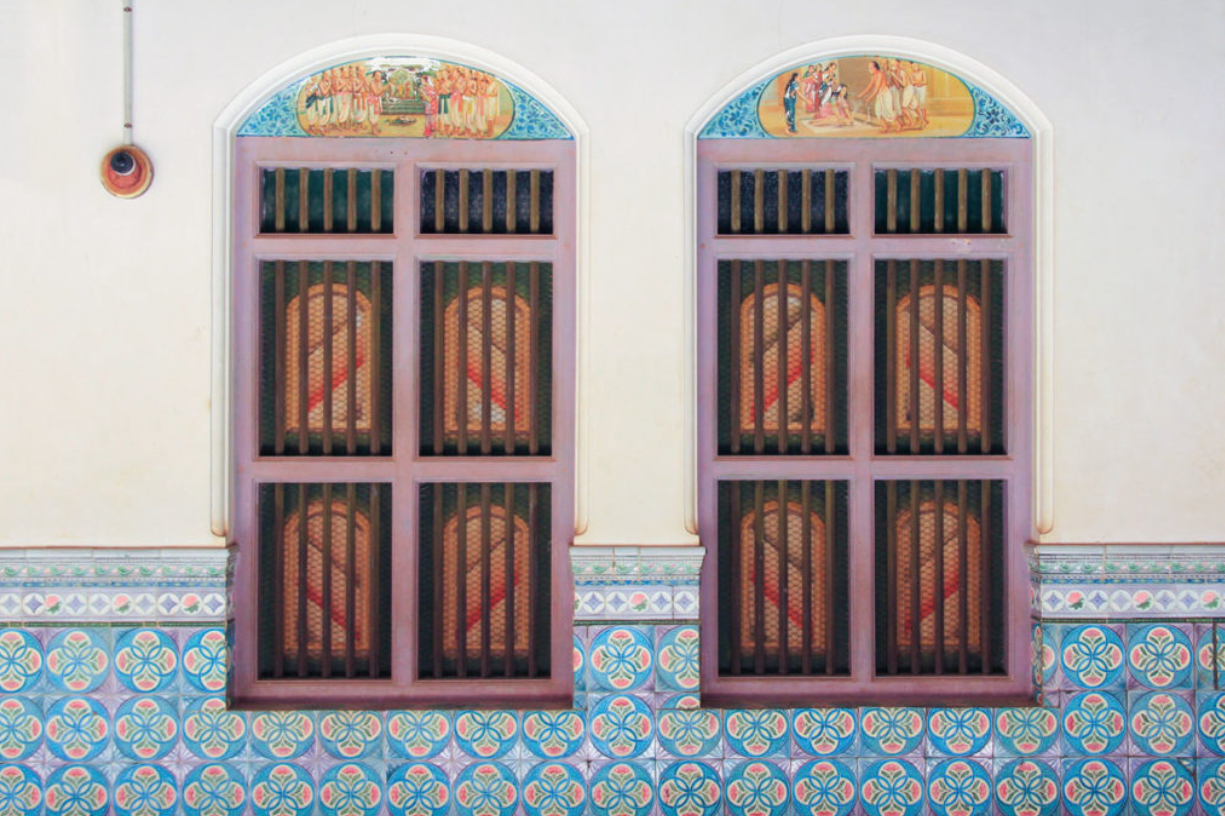
Image Credits: Laxmi house on Dot-to-dot.blog
The windows of Chettinad mansions in Tamil Nadu are celebrated for their elaborate stained glass inserts set in richly carved Burmese teak frames. Originally built by wealthy Chettiar traders, these windows feature vibrant colors and floral or geometric patterns that add not just visual luxury but also filter harsh sunlight into softer, diffused hues indoors. The combination of polished wood, glass, and brass hinges shows influences from Southeast Asian and European crafts. Their massive size, deep overhangs, and recessed placement make them climate-responsive, keeping interiors cool in Chettinad’s hot and dusty environment. These windows embody both the grandeur and global connections of this trading community while serving practical thermal comfort purposes.
2. Oyster Shell Windows: Goa
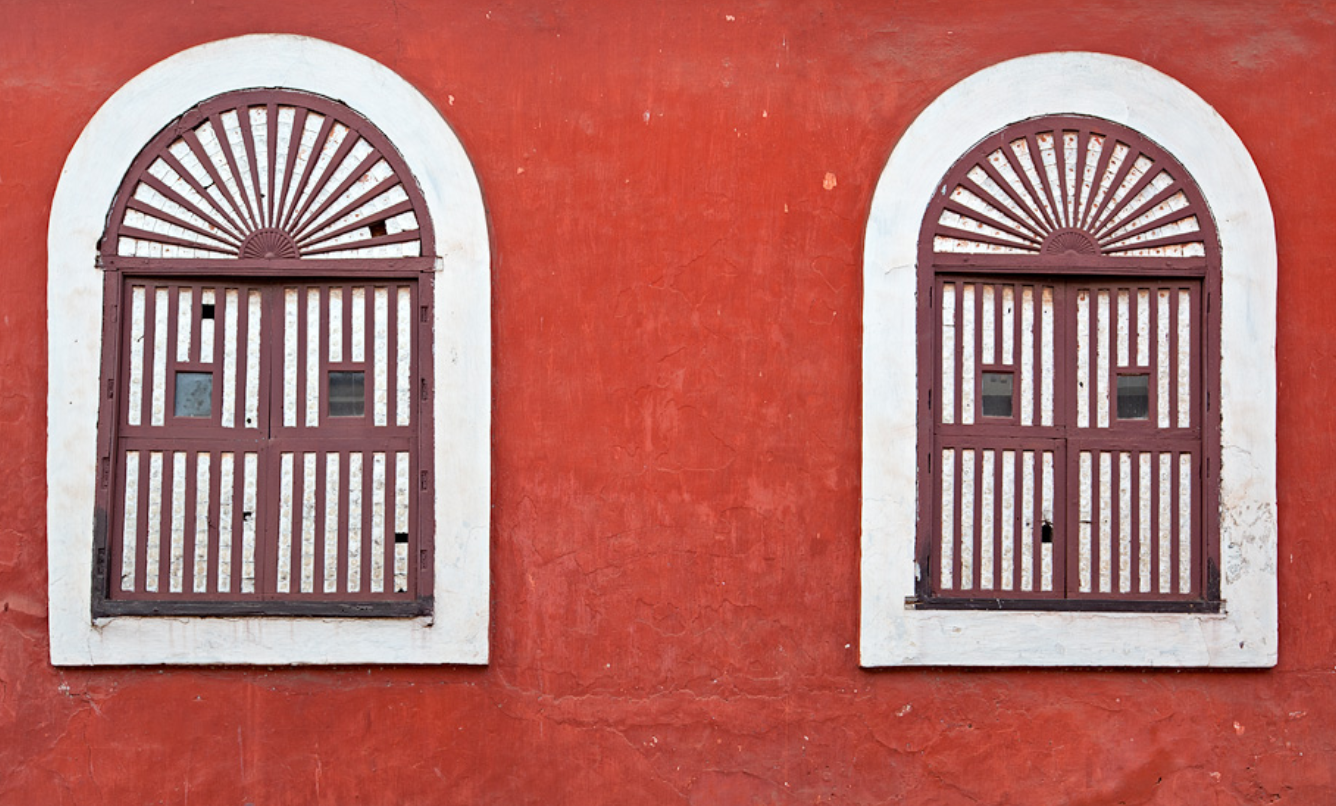
Image Credits: Blog.parrikar.com
Oyster shell windows, locally known as window panes of madis, are a traditional Goan solution to manage tropical moisture and heat while maintaining aesthetics. Made from translucent oyster shells from nearby estuaries, set into delicate wooden lattice frames, these windows glow softly under sunlight, diffusing light beautifully and ensuring privacy. They were commonly used in Portuguese-era homes and churches where glass was scarce or expensive. The shells are cut into flat squares and arranged like stained glass, creating patterns while also being resistant to rot and fungus—critical in Goa’s coastal humidity. These windows are a perfect example of how vernacular innovation adapts limited resources into architectural elegance.
3. Jharokha Windows: Rajasthan
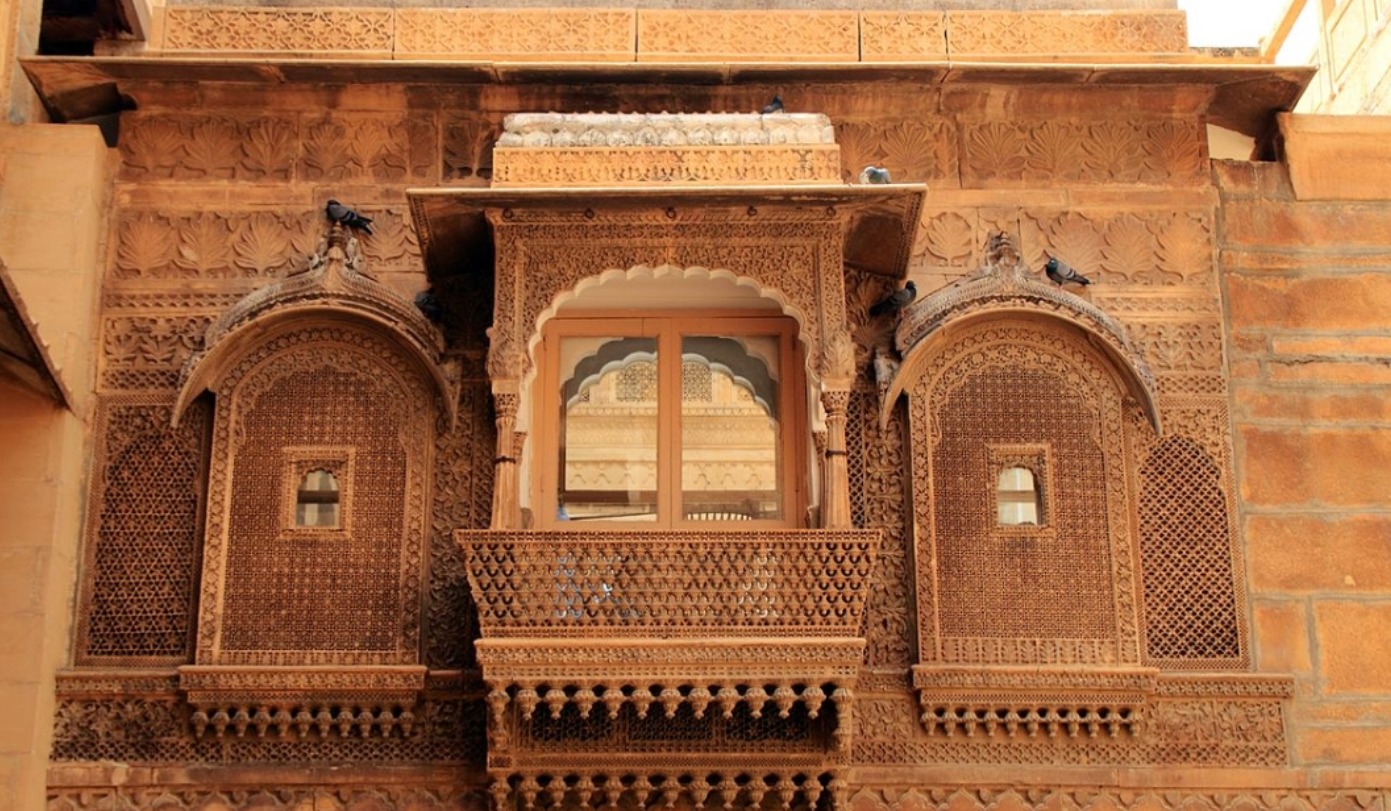
Image Credits: Blogs.foaidindia.in
The iconic jharokhas of Rajasthan are projecting, enclosed stone or wood balconies with intricately carved facades. Found in forts, havelis, and palaces, they served both ornamental and functional roles. Designed to preserve privacy while allowing women to view street activities, jharokhas incorporate jaalis (screens) and overhangs to shield rooms from intense desert heat. Their deep stone carvings and arched openings not only display mastery of local craftsmanship but also create soft shadows that enhance the building’s façade. These windows respond to Rajasthan’s harsh climate and strict social norms while standing out as symbolic, recurring motifs in Indian architecture.
4. Franco-Tamil Windows: Pondicherry
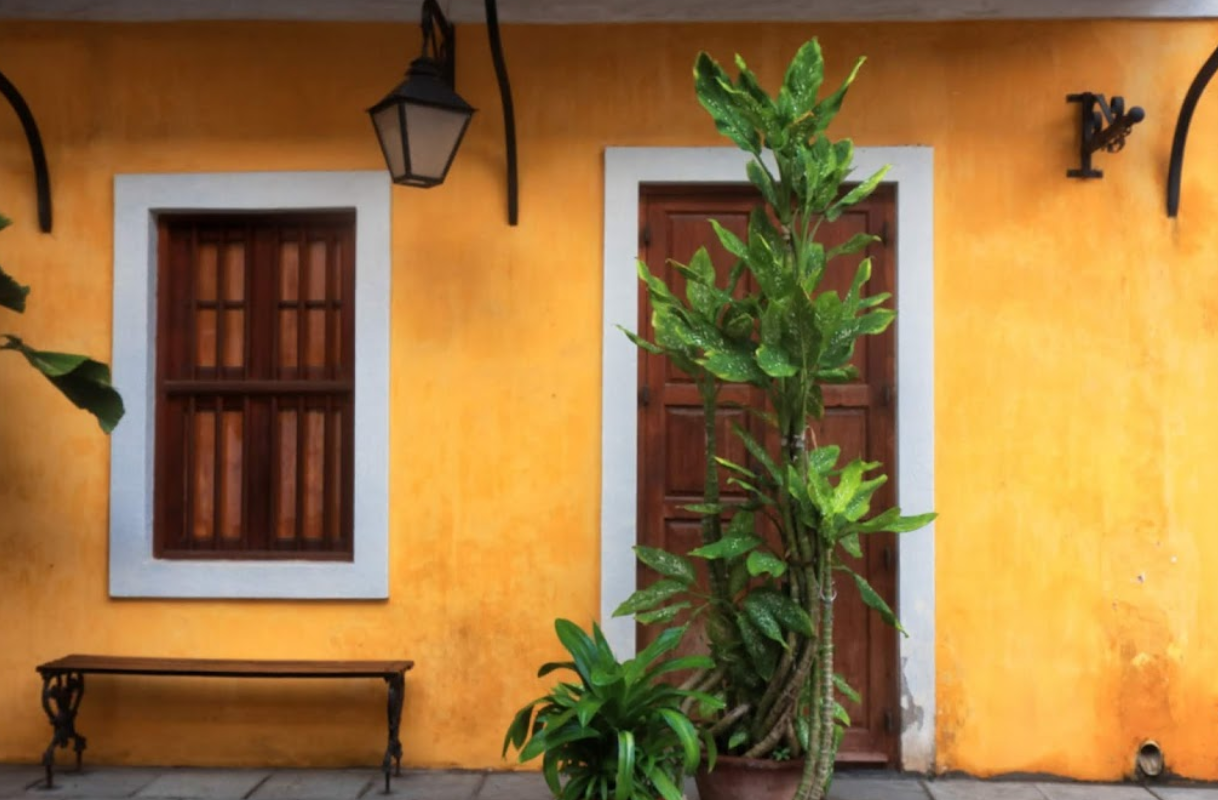
Image Credits: Mytravelframes.com
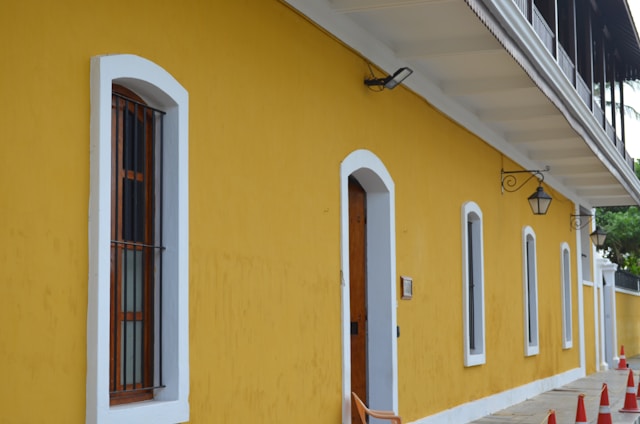
Blending French colonial design with Tamil architectural sensibilities, Pondicherry's Franco-Tamil windows are characterized by tall, slim forms, shuttered panels, and arched or rectangular openings. Made predominantly from solid wood with a bright palette, these windows often feature louvers that allow cross ventilation while maintaining shade—perfect for Pondicherry’s humid coastal climate. Some versions include stained glass panels or iron grills in a curvilinear French style. Their placement in symmetrical façades, paired with vibrant walls and ornate balconies, reflect a cultural confluence that marks Pondicherry's built fabric and celebrates its layered history.
5. Likhai Art Windows: Kumaon & Himachal
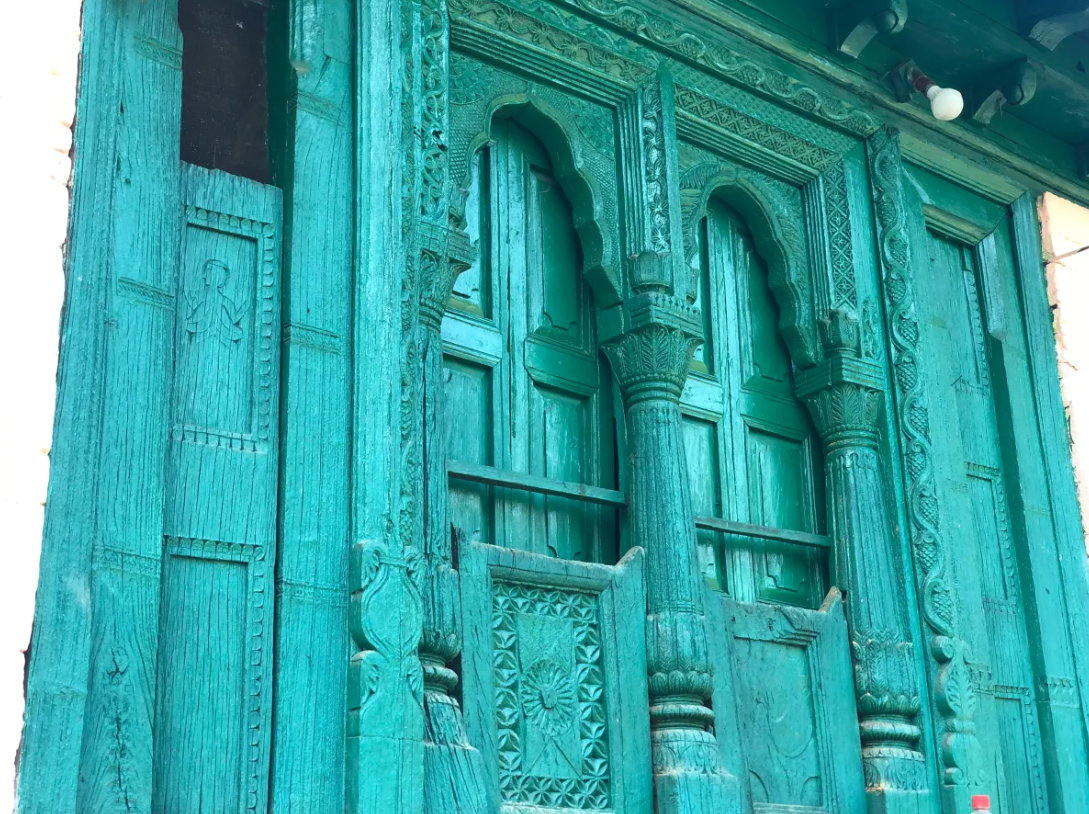
Image Credits: Travelindevbhoomi.in
Up in the Himalayan regions of Kumaon and Himachal Pradesh, finely carved wooden windows known for the craft of likhai bring sculptural beauty to mountain dwellings. Typically made from local cedar or walnut wood, these windows are carved with intricate motifs—floral patterns, deities, serpents, geometric frames—each believed to protect the home spiritually. The wide frames and shutters help retain heat and block cold winds, while the deep carvings add cultural personalizations. These windows offer a rich narrative of regional mythology, spiritual identity, and skilled craftsmanship that continues to survive in small mountain villages and heritage temples.
Final Thoughts:
Vernacular windows in India are far more than architectural elements—they are artistic artifacts that frame local climates, materials, cultural nuances, and centuries-old knowledge systems. Each window style speaks of the region’s identity, heritage, and wisdom, revealing how design and craft can integrate function with identity and art. Whether it’s the stained glass grandeur of Chettinad or the natural protection offered by Kumaoni woodwork, these windows remind us that architecture becomes timeless when it is truly rooted in its surroundings.