


India’s digital economy is no longer just “surfacing”. It’s scaling at a pace that calls for physical infrastructure to catch up fast. At the core of this shift lies a massive wave of data centre construction, and behind every one of these facilities is a soaring demand for highly specialised professionals.
However, one role, in particular, is witnessing a surge in demand: MEP BIM engineers.
If you’ve been keeping an eye out for industry signals, you’ll notice a pattern in trends. This spike in MEP BIM jobs in India data centres in 2026 isn’t by accident. It’s fueled by policy, investment, and a contest to build futuristic infrastructure.
This is the exact moment where timing, skill, and awareness assemble in a single line.
The Big Trigger: India’s Data Centre Explosion
India is walking into a phase that is quite reminiscent of the internet boom, but this time it’s about infrastructure. Hyperscalers, cloud providers, and global tech firms are putting in billions into building data centres across the country.
But what’s advancing this growth?
- Rapid growth in AI, cloud computing and digitised services
- Massive capital commitments from global tech leaders
- Government-backed incentives that include a long-term tax holiday for foreign cloud investments.
- Growing demand for local data storage due to data sovereignty laws.
Major investments are already in progress. Large-scale projects in cities like Hyderabad, Chennai, Mumbai, and Vishakhapatnam are expected to reshape the construction industry. These aren’t standard commercial buildings; instead, they are complex, high-performance environments that depend on precise engineering.
And that’s where the real opportunity begins.
Why Data Centres Depend on MEP Systems
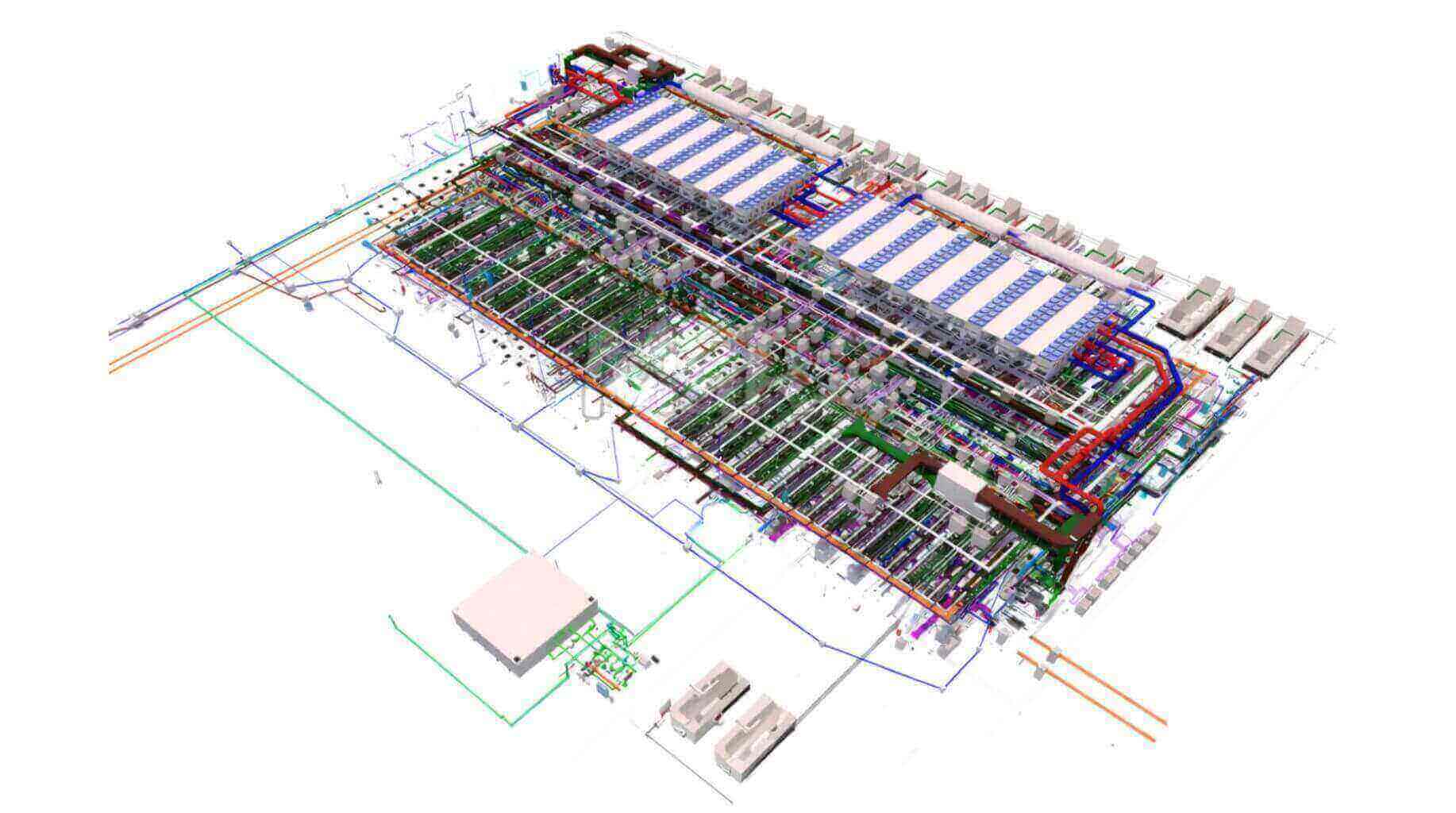
Standing out from a bunch of conventional buildings, data centres are engineering-intensive units. Their performance depends mostly on MEP systems.
Think about what a data centre needs to work:
- Advanced cooling systems to manage heat loads
- Redundant mechanical and electrical frameworks
- Fire protection systems designed for sensitive equipment
- Continuous power with no downtime
This is not basic MEP work. It’s a sensitive, high-precision design and execution. And that’s why companies are actively hiring for MEP BIM jobs in India's data centres in 2026. BIM is no longer an option here; it’s a necessity.
The Role of BIM in Data Centre Projects
Speed and accuracy define data centre construction today. Projects are being executed swiftly, with vigour, tight deadlines and no tolerance for any clashes or errors.
This is where BIM becomes pivotal.
BIM helps teams:
- Coordinate across multiple disciplines in real time
- Simulate performance and optimise layouts
- Detect clashes between MEP systems before the construction phase
- Reduce on-site costly rework
For data centres, small coordination clashes can pave the way for massive operational risks. BIM ensures that everything fits, functions, and performs as anticipated.
This is the reason why the demand for professionals in MEP engineer data centre career paths is on the rise rapidly. Companies don’t just need engineers; they need engineers who can work in complex BIM environments.
Why 2026 Is a Unique Opportunity Window
Timing is crucial in careers, and at the moment, the timing is unusually favourable.
Several factors are intersecting:
Policy Support
The government’s long-term incentives for data infrastructure are pushing foreign direct investment on a large scale. These policies are, however, not short-lived. They are created to sustain growth for decades.
Massive Capital Inflows
Global tech giants are funding tens of billions of dollars for India’s data infrastructure. These are multi-phase projects, which means a continuous demand for skilled professionals.
Talent Gap
The supply of trained MEP BIM engineers is still restricted. Most traditional MEP professionals are not equipped with skills in BIM training workflows, especially for complex facilities like data centres.
This created a clear gap. And this gap is exactly why MEP BIM jobs in India’s data centres in 2026 are such a strong keyword and career signal.
What Makes Data Centre MEP Different
If you’re thinking about building a career in MEP engineering data centre, it’s vital to understand how this sector is different from regular building projects.
Higher Technical Complexity
Data centres operate 24/7, and systems involved must be designed for reliability, efficiency, and redundancy.
Precision in Coordination
Electrical, HVAC, and fire systems must work in sync seamlessly. There is no space for guesswork.
Faster Project Cycles
Compared to traditional construction, data centres are developed faster. This leads to an increase in the reliability on BIM for coordination.
Global Standards
Most projects walk along international benchmarks. Engineers must keep note of global best practices. This means professionals who are entering this space can gain exposure to advanced engineering standards early on in their careers.
Job Roles in Demand Right Now
The growth in MEP BIM jobs in India’s data centres in 2026 is building up opportunities across multiple roles.
Some of the most in-demand jobs include:
- BIM Coordinators (MEP-focused)
- Electrical BIM Engineers
- HVAC Design Engineers with BIM expertise
- Data Centre Design Specialists
- MEP BIM Modellers
What’s worth noticing is that many of these positions did not exist a couple of years ago, but now there’s an opportunity. This is a relatively new hiring wave, and the skilled ones will only survive.
Skills That Employers Are Looking For
To build a strong MEP engineer data centre career, you need to have a combination of digital and technical skills. Here’s what many companies are prioritising:
Core MEP Knowledge
Understanding of electrical systems, plumbing, HVAC, and fire safety is still the base of building a career in the industry.
BIM Software Proficiency
Tools like Revit MEP, BIM 360, and Navisworks are widely used in this tech-first industry and being proficient in that is what will give individuals the desired edge.
Coordination Skills
The ability to work across teams and solve any design conflicts can only be achieved by top-notch coordination skills and with a proficient use of BIM.
Understanding of Data Centre Systems
The knowledge of using cooling strategies, power redundancy, and infrastructure layouts can be efficiently used as an advantage.
Speed and Accuracy
Projects move fast. Engineers must arrive at specific outputs within strict timelines.
Professionals who combine these skills are the ones landing the best opportunities in MEP BIM jobs in India’s data centres in 2026.
Why This Is a First-Mover Advantage
Most career trends become obvious after the market is filled and saturated with multiple ones. This one, however, is quite different:
Right now:
- The talent pool is still shaping up
- The demand is on the rise
- The content around this niche is quite limited
That’s exactly why this topic has a strong opportunity and, more importantly, it’s a career move that hasn’t peaked yet, but is being looked into. Entering an engineer data centre career path today gives you the career edge you’ve been looking for.
The Long-Term Career Impact
This isn’t only about any short-term career demand or a hiring fad. In fact, data centres are long-term infrastructure assets and once created, they need ongoing updates, expansions, and maintenance. This means:
- Continuous job opportunities
- Higher salary potential due to any specialisation
- Global career mobility
Professionals who are experienced in building data centre projects are already in high demand globally. These skills are transferable and of high value.
This also makes MEP BIM jobs in India’s data centres in 2026 not just another trend, but a long-term career path.
Where Kaarwan Fits In
To pick up on this opportunity, the right training becomes crucial. Most engineering programs don’t cover BIM workflows in detail, and there’s even less focus on real-world scenarios and applications like data centres. This is exactly where specialisation training platforms like Kaarwan step in.
They bridge the gap between:
- Academic knowledge
- Industry needs
- Practical BIM applications
If you’re aiming to step into the MEP engineer data centre space, structured, industry-aligned learning can notably amp up your progress.
Final Thoughts
India’s data centre boom is not just about infrastructure, but also about people who create, coordinate, and construct it. MEP BIM engineers are, however, at the centre of this transformation.
This rise in MEP BIM jobs in Indian data centres in 2026 reflects a more intense shift in how buildings are designed and delivered. It’s much faster, more digital, and far more complex.
For engineers' willingness to adapt, this is a rare window of opportunity. You’re not just picking a job for yourself; you’re walking into a sector that will define the next phase of India’s infrastructure growth. And right now, it’s just getting started and here’s where you can begin.
FAQs
1. What are MEP BIM jobs in India’s data centres in 2026?
They are roles focused on designing and coordinating MEP systems using BIM for data centre projects.
2. Why is demand for MEP BIM engineers increasing?
Because data centres need precise, BIM-based coordination for complex systems and fast-track construction.
3. Is an MEP engineer data centre career worth it in 2026?
Yes, it offers strong growth, high demand, and global career opportunities.
4. What skills are needed for MEP BIM jobs?
MEP fundamentals, BIM tools (Revit, Navisworks), and coordination skills.
5. How is data centre MEP different?
It involves higher complexity, 24/7 reliability, and strict performance standards.
6. What roles are in demand?
MEP BIM Modeller, BIM Coordinator, HVAC and Electrical BIM Engineers.
7. Why is 2026 a key opportunity?
High investment and a shortage of skilled BIM professionals are creating demand.
8. Is BIM training necessary?
Yes, most roles require hands-on BIM knowledge.
9. Are these jobs future-proof?
Yes, data centres need ongoing upgrades and maintenance.
10. How can I start this career?
Learn MEP basics, master BIM tools, and gain project-based experience.




.png)