Sustainable building is now a need rather than only a concept. Stricter rules and growing environmental issues call for architects and builders to find ways to lessen their environmental effect. Here is where Building Information Modelling (BIM) finds use. BIM for green building increases efficiency, reduces waste, and boosts general project results by including sustainability and technology.
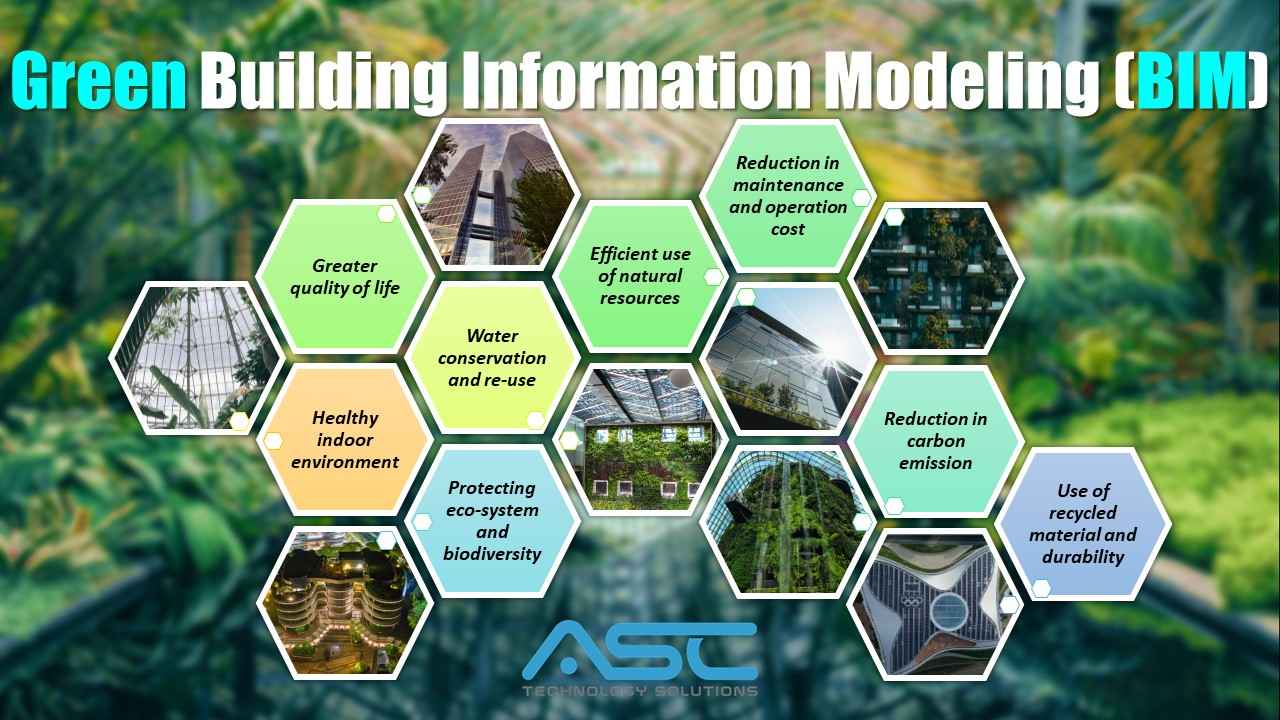
Image Credit: LinkedIn
Knowing BIM in construction can help you, either as a professional or student of architecture, have an advantage in the changing sector of today. Let's investigate how future sustainable building is being shaped by BIM tools.
Also read: 5 Ways BIM Enhances Sustainability in Construction
BIM's Place in Green Construction
1. Improved Energy Conservability
The foundation of sustainability is definitely energy-efficient buildings. BIM lets engineers and builders replicate energy performance right through the design process. Professionals utilising BIM tools can:
- Energy analysis will help to maximise ventilation and natural light.
- Evaluate glazing, shading, and insulating value.
- Choose sustainable materials using knowledge grounded in statistics.
Before building starts, for example, tools like Autodesk Revit and Rhino allow architects to test several design scenarios and find the most energy-efficient solutions.
Also read: BIM and Sustainable Design: Leveraging Technology for Green Building Certification
2. Reducing Product Waste
Although building projects create a lot of waste, BIM's exact planning powers help to solve this problem. BIM lowers material usage and miscalculations by building thorough digital models. It clarifies:
- Precise quantity take-offs help to avoid surplus orders of materials.
- Modular building design with prefabrication.
- Tracking material life cycles helps one to develop recycling and reuse policies.
In addition to saving expenses, this advances environmental preservation.
Also read: How BIM is Reducing the Carbon Footprint in Construction
3. Conservation of Water Management
Green buildings depend critically on water efficiency. Professionals using BIM can include water management solutions into the design process. BIM tools facilitate:
- Creating scenarios for water consumption.
- Maximising irrigation and plumbing systems.
- Including greywater recycling and rainfall collecting.
Designing better water systems helps architects support environmentally friendly urban growth.
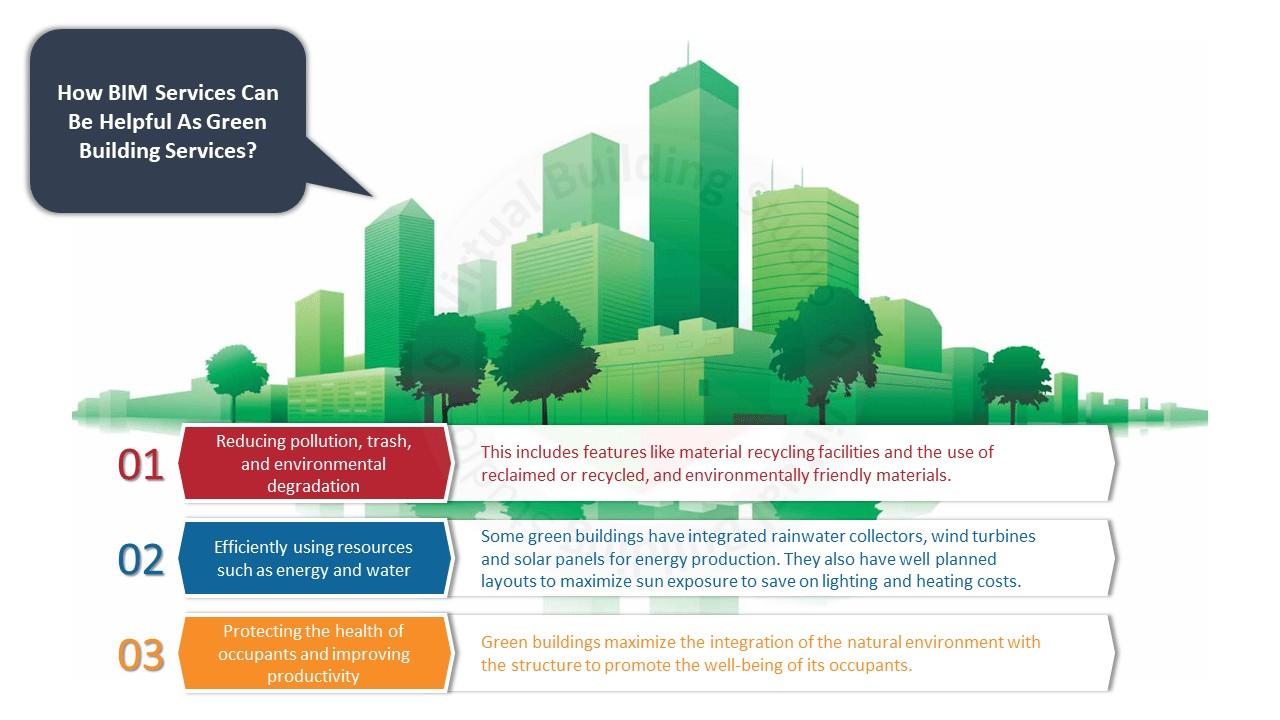
Image Credit: LinkedIn
4. Life Cycle Assessment (LCA)
Sustainable building calls for an awareness of the whole life cycle of a building. Life Cycle Assessment (LCA) made possible by BIM software evaluates environmental impact ranging from material procurement to demolition. This aids in:
- Choosing less carbon footprint environmentally friendly products.
- Examining long-term maintenance and energy expenditures.
- Making wise design choices to increase building lifetime.
Using BIM-driven LCA, sustainability starts to take front stage instead of being an afterthought.
Also read: How BIM Tools Contribute to Sustainable Building Design
5. Boosting Cooperation and Compliance
Many times, sustainable building calls for multidisciplinary teamwork. Among architects, engineers, contractors, and environmental consultants, BIM encourages smooth communication. Thus guarantees:
- Following green building certifications (LEED, BREEAM, GRIHA).
- Real-time cooperation for modifications in sustainable design.
- Simplified project approval and paperwork.
Working on a shared BIM model helps stakeholders properly match their environmental aims.
Also read: The Future of Indian Architecture: Embracing BIM for Sustainable Design
Using BIM for Environmental Development
See some best techniques to maximise BIM:
- Choose the correct program: Among the most often used ones are Tekla Structures, Revit, Rhino, ArchiCAD.
- Combine sustainability systems by matching BIM models with LEED and BREEAM.
- Invest in BIM training to improve your capacity for environmentally friendly building design by means of BIM technology upskill.
- Promote involvement of stakeholders by working with every team starting the project.
If you want to learn more, think about signing up for an advanced Vastu course to investigate sustainable building ideas anchored in ancient design.
Also read: BIM and Prefabrication: Revolutionizing Modern Construction
Conclusion
BIM is transforming our methods of handling environmentally friendly building. From waste reduction and energy efficiency to cooperative design, BIM enables engineers and architects to produce better, more intelligent buildings. Using BIM in building not only helps you keep ahead of the competition but also actively supports a more sustainable future.
All set to go on additional exploration? Discover our Advanced Vastu Shastra course how classic architecture incorporates sustainability.
Visit our website Kaarwan for more!
FAQs
1. In what ways may BIM advance building sustainability?
By maximising energy efficiency, cutting material waste, and hence enabling water conservation, BIM improves sustainability. It also makes Life Cycle Assessment (LCA) possible to assess long-term environmental effect feasible.
2. For design of green buildings, which BIM program is most suited?
Because they contain energy analysis and environmental impact assessment tools, popular BIM technologies for green building design are Autodesk Revit, Rhino, ArchiCAD, and Tekla Structures.
3. Could BIM assist in earning certifications for green building?
Indeed, BIM guarantees sustainability compliance by helping engineers and architects match their designs with certification criteria as LEED, BREEAM, and GRIHA.
4. In what ways may BIM help to cut waste?
By means of better material planning, prefabrication, and encouragement of recycling techniques, BIM reduces waste and hence promotes more sustainable building methods.
5. Does learning BIM make sense for environmentally conscious architects?
Perfect. For engineers and architects that wish to include sustainability into their projects and help to shape green building going forward, BIM is becoming an essential competency.
Cover Image Credit: eLogicTech