The building industry has traditionally been linked with significant carbon emissions, but innovative technologies are helping to transform the narrative. One such revolutionary development is Building Information Modelling (BIM). BIM is not only a tool for design and project management; it also significantly helps to lower building environmental impact. BIM in construction is clearing the path for a cleaner future by maximising material use, raising energy efficiency, and reducing waste.
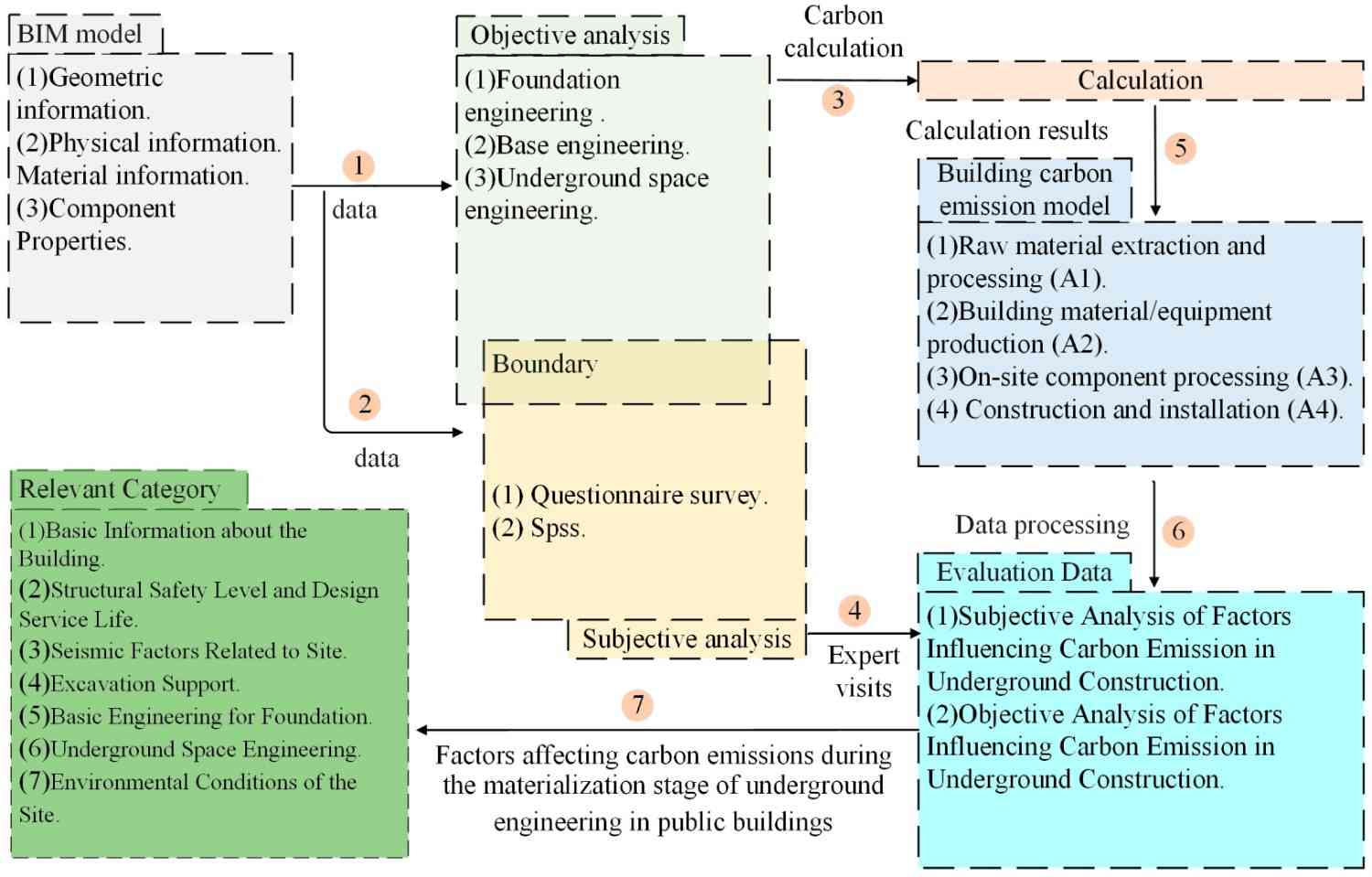
Image Credit: https://www.mdpi.com/2075-5309/14/7/2134
I will walk you through how BIM is changing the built environment's sustainability in this blog, therefore stressing both professional and architectural students' need of this knowledge.
Read more: How BIM Supports Sustainable Construction
Knowing BIM and Its Part in Sustainability
Let us define BIM, or Building Information Modelling, before delving into its environmental implications. Fundamentally, BIM is a digital model of the physical and functional qualities of a structure. It enables contractors, engineers, and architects to work on a same model, therefore improving decision-making throughout the lifetime of a project.
For sustainability, nonetheless, this suggests Let’s disentangle it:
✔ BIM lets architects precisely simulate energy, therefore enabling optimal building orientation, insulation, and ventilation. ✔ Simulating several materials helps BIM guarantee effective use of resources and help to decrease waste. ✔ BIM tools help to reveal long-term environmental effects of materials, thereby guiding more sustainable decisions. ✔ By means of precise pre-construction planning, BIM minimises mistakes and avoids overuse of resources, therefore reducing the carbon footprint of the building.
How BIM Lowers Construction's Carbon Footprint
1. Maximising Energy Efficiency
Energy use in buildings accounts for one of the main causes of carbon emissions. Energy simulations made possible by BIM tools such as ArchiCAD and Revit enable architects to:
✔ Review passive design choices, including ventilation and natural lighting. ✔ Model efficiency for HVAC systems (heating, ventilation, and air conditioning). ✔ Point up design phase energy leaks and insulation gaps to avoid expensive retrofits.
📌 Example: By means of BIM, an architect may ascertain the best window placement to minimise reliance on artificial illumination, therefore greatly lowering energy consumption during the lifetime of the construction.
Read more: BIM for Sustainable Design: Reducing Waste & Enhancing Efficiency
2. Minimising Embodied Carbon and Material Waste
Construction waste greatly adds to carbon emissions and landfills. By means of BIM for carbon footprint reduction, this is partially offset:
✔ Modular construction and prefabrication allow for exact planning, hence lowering off-cuts and surplus resources. ✔ BIM combines Lifecycle Assessment (LCA) techniques to assist in material selection based on environmental impact, therefore guiding architects towards less carbon footprint materials. ✔ BIM tools help to find design flaws before construction starts, so avoiding pointless rework and demolition.
📌 For large-scale projects, adopting BIM-driven prefabrication cut construction waste by up to 75% according to studies.
Read more: 16 Carbon-Neutral Buildings Designed With BIM
3. Efficient Resource Management
BIM Software helps project teams more effectively track and control resources. Features including cloud collaboration and real-time data analysis guarantee:
✔ Improved logistics and less travel emissions. ✔ On building sites, effective use of energy and water. ✔ Accurate demand prediction, avoidance of material overordering.
📌 Using BIM in construction will help experts make data-driven decisions that lower environmental damage and simultaneously save money.
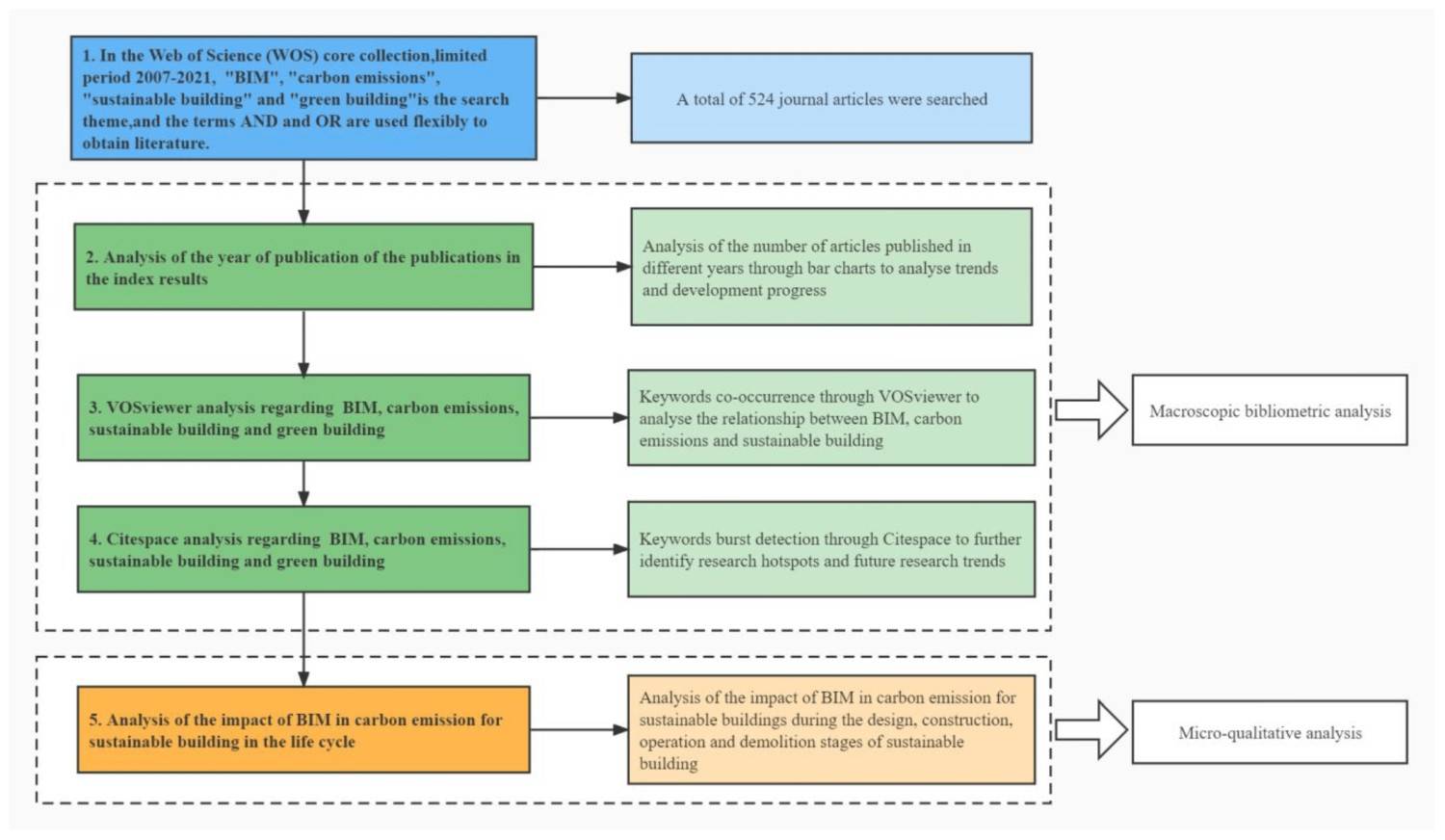
Image Credit: https://www.mdpi.com/1660-4601/19/19/12820
4. Improving Renovation and Sustainable Retrofitting
Sustainable building aims not only for new constructions but also for increasing energy-efficient performance of current buildings. BIM lets architects make digital twins of historic buildings, therefore enabling them to:
✔ Run several retrofitting scenarios. ✔ Analyse whether green rooftops, solar panels, and insulation improvements are feasible. ✔ Minimal disturbance during renovation will help to lower waste and energy use.
Read more: BIM and Sustainable Design: Leveraging Technology for Green Building Certification
5. Deconstruction Planning and the Circular Economy
Consistent with the ideas of a circular economy, BIM helps to rework and recycle building materials. Using BIM-driven deconstruction planning, engineers and builders can:
✔ Track resources applied in a building. ✔ Anticipate their disassembly and reusing at the lifetime end of the building. ✔ Less reliance on natural resources and less generation of waste.
📌 For cradle-to-cradle buildings, for instance, BIM has been applied to design whereby every material has a specified second life beyond demolition.
Conclusion
In building, sustainability is not an option; rather, it is a need. Architects and builders may greatly lower the carbon footprint of their projects with BIM, therefore guaranteeing efficiency and cost savings.
📌 BIM is a must-learn tool in today’s sector, regardless of your level of expertise—from a professional trying to implement greener practices to a student hoping to expand their skill set.
✔ Want to learn sustainable design? To keep ahead in the area, check Kaarwan’s advanced courses on BIM and sustainable architecture.
Visit our website Kaarwan for more!
Often Asked Questions
1. How might BIM help to lower building's carbon footprint?
By means of data-driven decision-making, BIM aids in optimisation of material use, energy consumption reduction, waste minimisation, and support of sustainable building methods.
2. For projects emphasising sustainability, which BIM tool is best?
Because they provide energy simulation and lifecycle assessment capabilities, popular BIM programs for sustainability include Bentley Systems, ArchiCAD, Rhino (plus Grasshopper), and Revit.
3. Is it possible to retrofit former structures with BIM?
Indeed, BIM is absolutely essential for retrofitting since it allows material analysis, energy modelling, and exact restoration planning, hence lowering the demand for waste and destruction.
4. Does BIM just help with major projects?
No. From small house designs to massive commercial buildings, BIM is helpful for every kind of project, helping to increase sustainability at all levels.
5. How can I pick up BIM for environmentally friendly building?
📌 Kaarwan’s advanced BIM courses cover: ✔ Sustainable design concepts ✔ Lifecycle analysis ✔ Energy modeling