Building design is about more than simply form and function; it's also a serious matter of duty. Building energy efficiency is no longer an afterthought in the design process; it is now front and centre as the globe struggles to contain rising energy needs and the effects of climate change. Energy optimisation knowledge is becoming a need, not a luxury, for architects and those aspiring to be architects. Learn the ins and outs of energy analysis and how it may help you become a BIM (Building Information Modelling) expert as you follow this comprehensive course. In addition, I will show you how Kaarwan can be your trusted companion on your adventure, supplying you with the knowledge and experience you need to succeed.
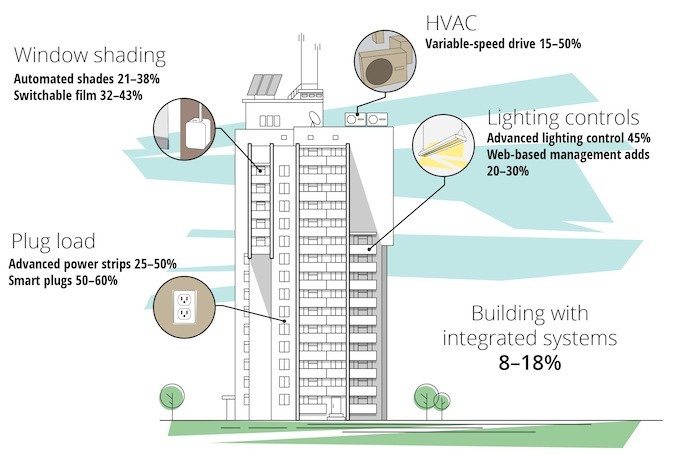
Image Credit: ACEEE
The Importance of Energy Efficiency in Building Design
Comfortable living and working areas, reduced emissions of greenhouse gases, and reduced energy consumption are all goals of energy-efficient building design. Beyond that, though, they demonstrate a thoughtful, prospective attitude towards design.
Energy efficiency is crucial for the following reasons:
- Reduced Operating Expenses: Power consumption is lower in energy-efficient buildings, leading to substantial savings on utility costs.
- Less energy usage equals fewer emissions, which is beneficial for the environment.
- Smart energy design enhances thermal comfort, ventilation, and natural light in the interior.
- Regulatory Compliance: New construction energy codes are getting tight in many nations.
Your portfolio will take a leap forward, and your ability to work with other disciplines will improve when you incorporate energy efficiency into your design approach.
Read more: How BIM is Reducing the Carbon Footprint in Construction
The Role of Energy Analysis in Design Optimisation
Analysing a building's energy efficiency via the use of modelling and simulation software is known as "energy analysis". Asking the proper design questions is fundamental, even when it appears technical at first:
- What is the effect of direction on solar gain?
- Which locations are ideal for shading devices?
- Would it be possible to lower HVAC loads using passive cooling strategies?
- Did you choose the best insulation and glazing?
Revit and Insight, two examples of energy modelling tools, allow you to mimic the design's behaviour under various scenarios. You can put ideas to the test early on, make better judgements, and back them up with evidence.
(Here is a drawing illustrating the effect of building orientation on solar heat uptake and daylight.)
Read more: How BIM Supports Sustainable Construction
How Does Building Information Modelling (BIM) Affect Energy Efficiency?
Building Information Modelling (BIM) is a method for creating and managing digital models of a building's physical and functional features. It's a collaborative process that combines 3D modelling with other disciplines, such as engineering, architecture, and building science.
With BIM, you can do the following when applied properly:
- Include energy-related statistics in your design.
- Evaluate different design phases using simulation
- Get along well with advisors
- Lessen the need for expensive process rework
Sustainable building information modelling (BIM) experts are in high demand as energy performance becomes an essential design measure. Here lies your chance.
-
How to Become an Energy-Specific BIM Expert: A Comprehensive Guide
It takes time and dedication, but with the right training, anyone can become a BIM expert with a strong focus on energy efficiency. Let's begin with this:
- Learn the ABCs: Get a firm grasp on the principles of passive design and sustainable architecture.
- Get Your Hands On Some Tools: Begin simulating energy use with Revit, Insight, and Rhino, among others.
- Put your knowledge to use: Put what you've learnt into practice through internships or studio projects.
- Maintain Your Knowledge: Keep up with the latest news on sustainable materials and changes to construction rules.
- Get Involved in a Learning Community: Surround Yourself with People Who Can Teach You and Help You Grow.
Read more: 5 Ways BIM Enhances Sustainability in Construction
You may create this plan with the aid of Kaarwan's selected BIM courses. They simplify the complicated and make it easy to implement through expert-led modules, project-based learning, and tailored feedback.
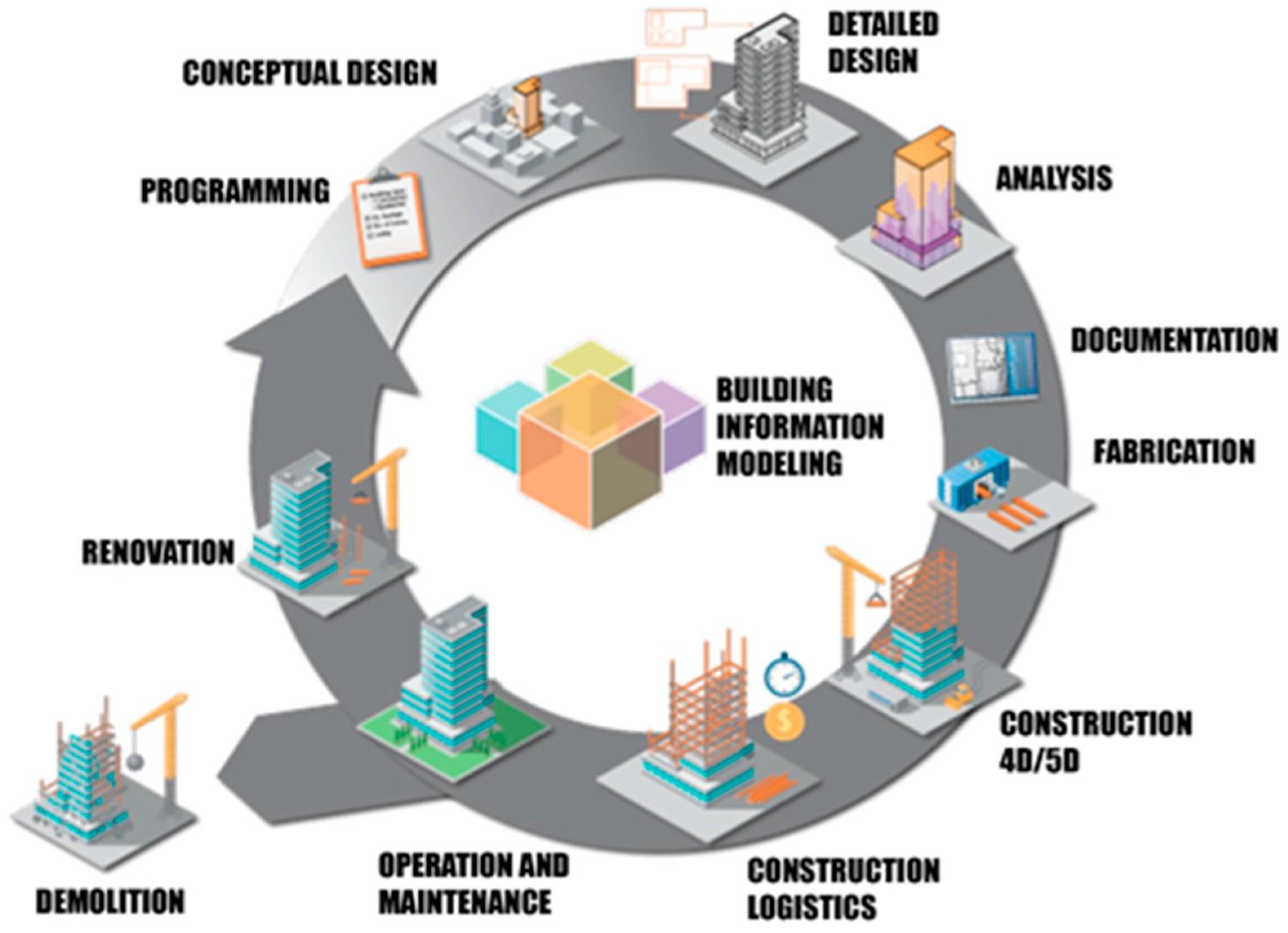
Image Credit: https://www.mdpi.com/1996-1073/10/8/1167
Practical Applications: Bringing Theory to Life
You will discover that your approach is revolutionised once you start including energy analysis into your design workflow. Take this case in point:
- Making Massing Decisions: Examining Potential Building Shapes to Reduce Solar Heat Gain
- Assessing the Effects of Glazing Ratios and Shading on Façade Design
- HVAC Loads: Applying Passive Strategies to Decrease Reliance on Mechanical Systems
These are concrete concepts. Their commercial worth is high because they are useful, quantifiable, and practical.
(The energy efficiency of two possible facade designs are illustrated in the following diagram.)
What makes Kaarwan the best choice for learning?
Connecting theory with practice is a challenge that many students have, in my experience. That's why I always stress the need for alternatives to traditional classroom instruction. With the support of Kaarwan's combination of technical expertise and practical problem-solving skills, you can:
- Ensure that your project portfolio is robust
- Boost your self-assurance using commonplace resources
- Gain insight from experts who have been there and done that.
Read more: Sustainability in BIM Architecture: Revolutionizing Green Building Design
For architects who are prepared for the future, Kaarwan is more than just a platform.
Final Thoughts: Making Design Matter
Being energy efficient is more of a state of mind than a set of specific abilities. Integrating sustainable practices into your architecture projects can make you a more valuable and sought-after expert as you advance in your career.
You can make this road much more accessible with the correct tools, coaching, and community. So go ahead and do it. Find out more about energy analysis. Allow it to shape your designs, inspire you to think beyond the box, and ultimately lead you to a fulfilling profession.
Plus, Kaarwan provides the roadmap, resources, and guidance you need to become a BIM professional. Check out the programmes offered by Kaarwan, guided by industry experts.
Visit our website Kaarwan for more!
FAQs
1. First, how does energy analysis fit into the architectural process?
When it comes to design aspects that affect energy usage, comfort, and sustainability, architects may benefit from energy analyses.
2. Is BIM Only for Big Projects?
No, Through better coordination and the ability to enable performance-based design, BIM simplifies processes for projects of any scale.
3. Is a technical background necessary to study building information modelling (BIM) and energy simulations?
Sure thing. These tools can be efficiently picked up by novices with the correct kind of instruction and practice.
4. What makes Kaarwan the best option for BIM training?
To help students make the transition from classroom theory to real-world industrial practice, Kaarwan provides mentor-guided, hands-on courses.
5. How much time does it take to learn how to use BIM for energy efficiency?
Gaining basic skills within a few months is possible with regular work, while the exact time required depends on your speed.
Cover Image Credit: JatApp