Facade Lighting Techniques in Architecture:
A building’s relationship with light doesn’t end at sunset—it transforms. Facade lighting redefines how architecture is perceived after dark, revealing depth, texture, and rhythm that daylight often conceals. Beyond mere visibility, lighting sets mood, highlights craftsmanship, and can even express a brand’s identity. The right illumination technique makes architecture a spectacle, while the wrong one can flatten its form. Below are six major techniques architects and lighting designers use to bring facades alive at night.
1. Uplighting
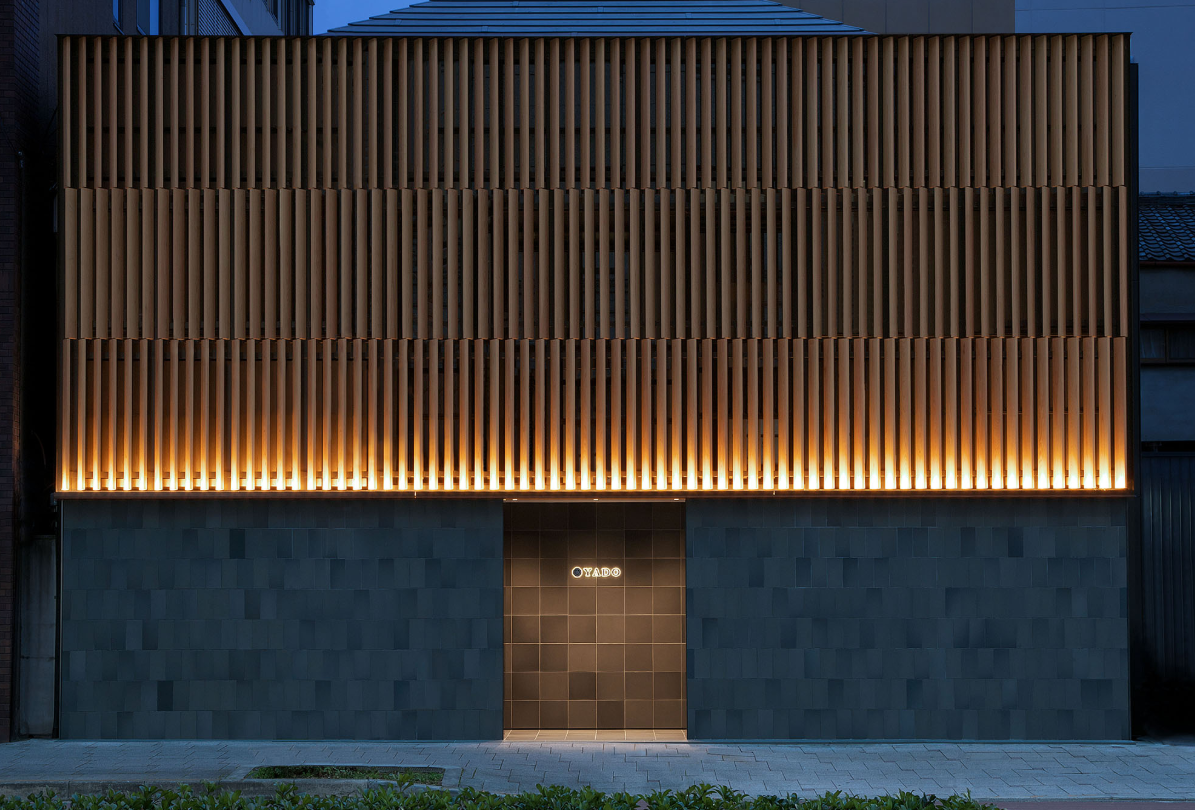
Image Credits: Archello.com
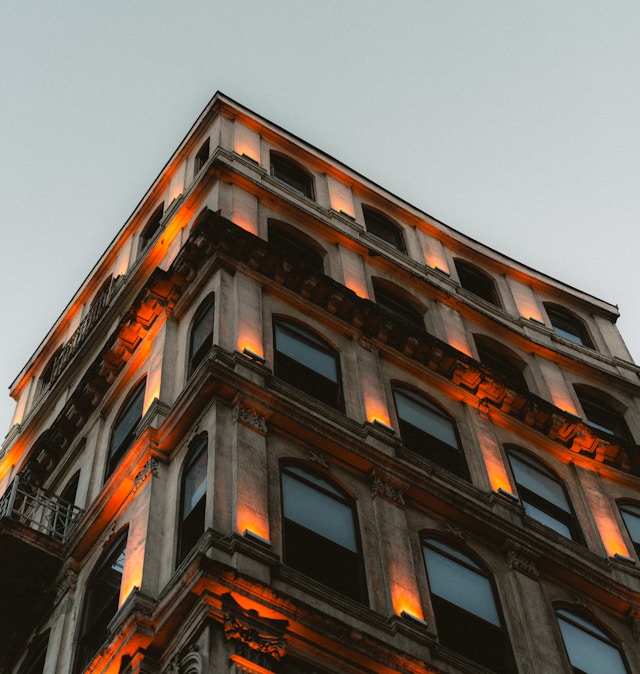
Uplighting involves placing light fixtures at the base of a building to direct beams upward across the facade. This approach accentuates verticality, making structures appear taller and more monumental. It’s commonly used on historic buildings, columns, or textured surfaces where light rakes upward, catching reliefs and moldings. The technique emphasizes grandeur and permanence while subtly separating the structure from its immediate ground context—almost making it float in light.
2. Wall Grazing
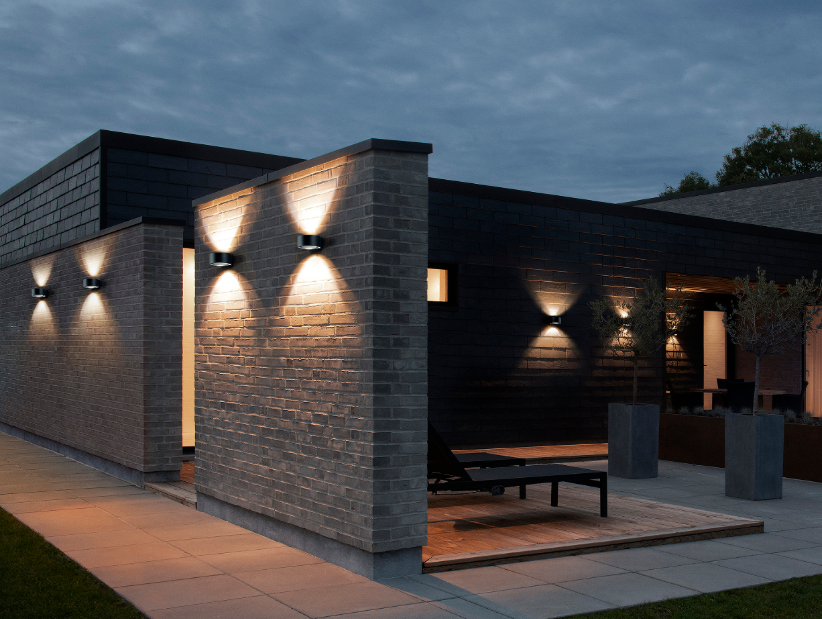
Image Credits: Ifdesign.com
Wall grazing creates drama by positioning light fixtures very close to the facade surface—typically within 30 cm—so that light hits at a sharp angle. This technique highlights the natural texture of stone, brick, or ribbed concrete by casting strong, narrow shadows. Grazing is most effective on facades with relief, fluting, or deep joints, as it reveals every contour and imperfection. When done right, it adds a tactile richness, transforming an otherwise flat wall into a play of light and shadow.
3. Linear Lighting
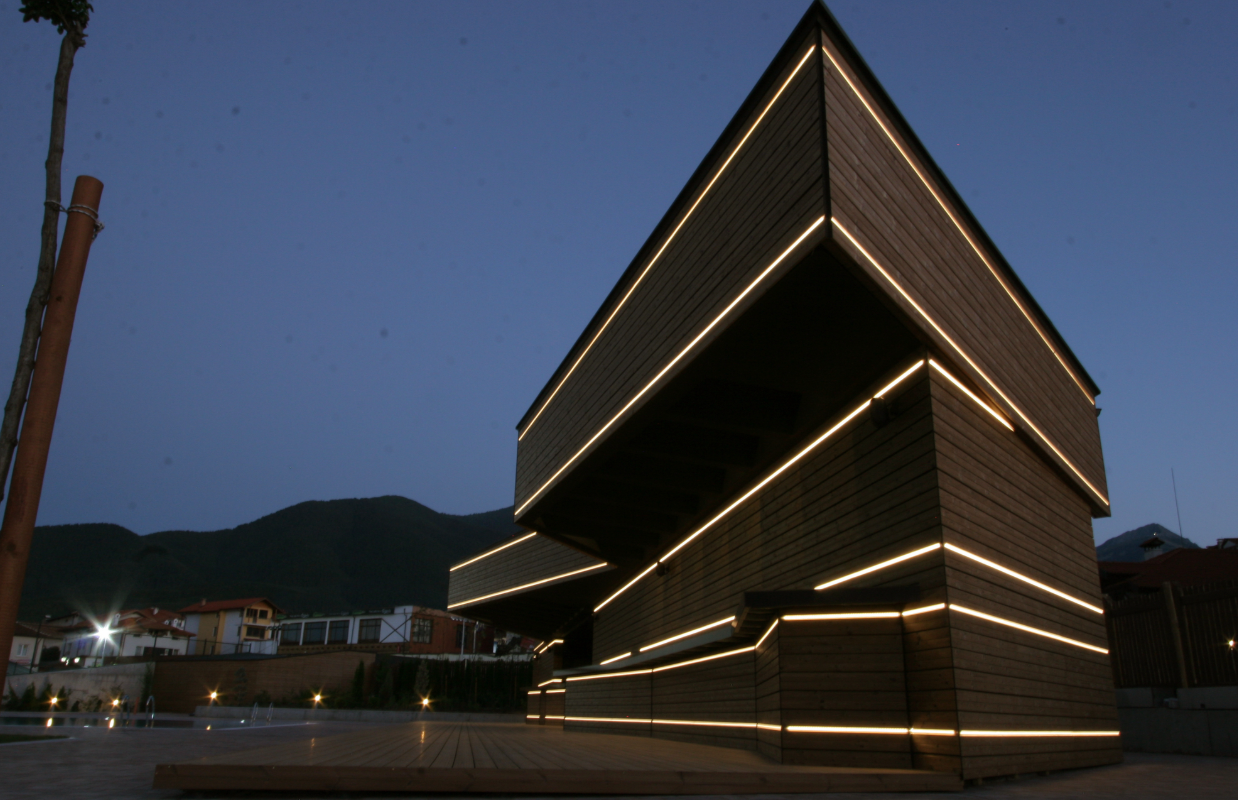
Image Credits: Archdaily.com
Linear or strip lighting uses continuous LED strips—often hidden along cornices, parapets, or rooflines—to outline architectural forms or provide an even wash of light. This technique gives a clean, modern look that works especially well for contemporary and commercial buildings. It subtly traces the silhouette of a structure, enhancing its geometry without overpowering it. When integrated into the facade design, linear lighting can emphasize the building’s rhythm, frame openings, or define structural grids with precision.
4. Accent Lighting
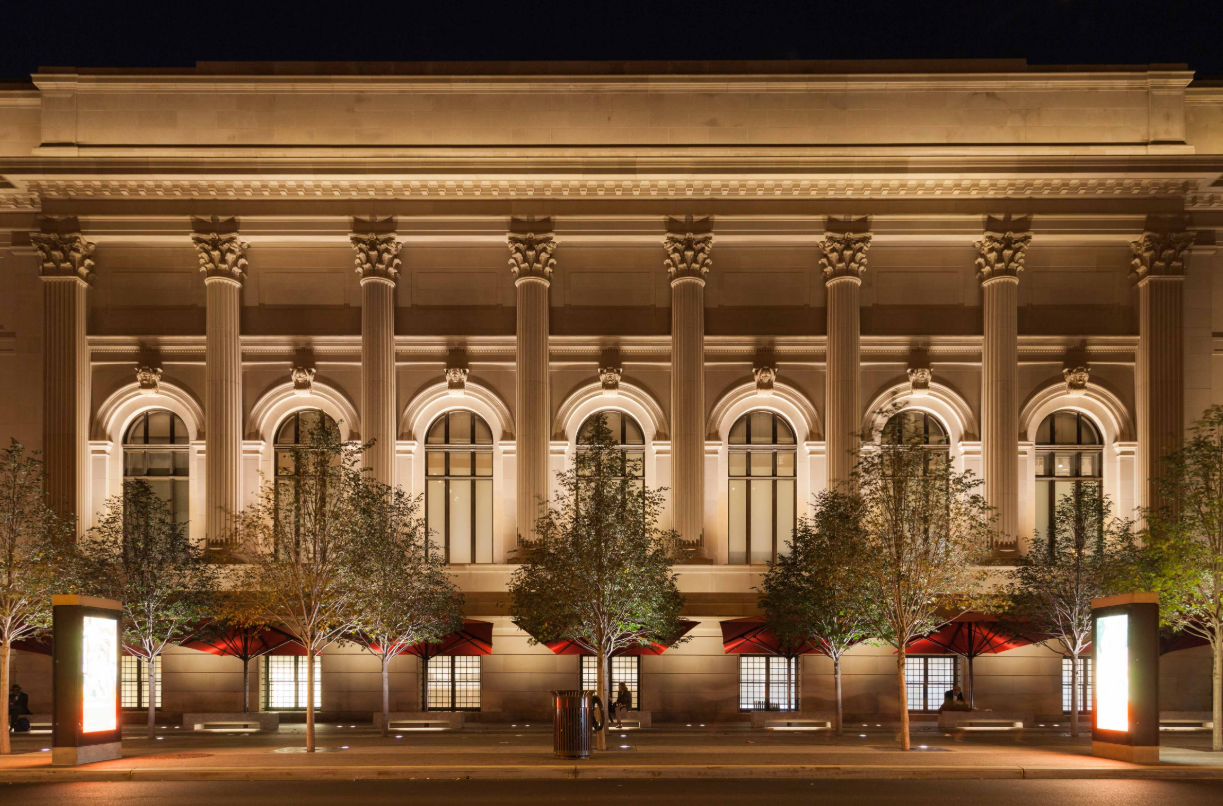
Image Credits: Mortarr.com
Accent lighting directs focused light beams on particular architectural elements such as pilasters, arches, signage, or sculptures. The aim is to draw attention to details and create focal points across the facade. By varying light intensity and angle, designers can choreograph what the viewer’s eye notices first. Accent lighting works beautifully in layered compositions—heritage facades, institutional buildings, or cultural centers—where specific features deserve to stand out against a subtler backdrop.
5. Silhouette Lighting
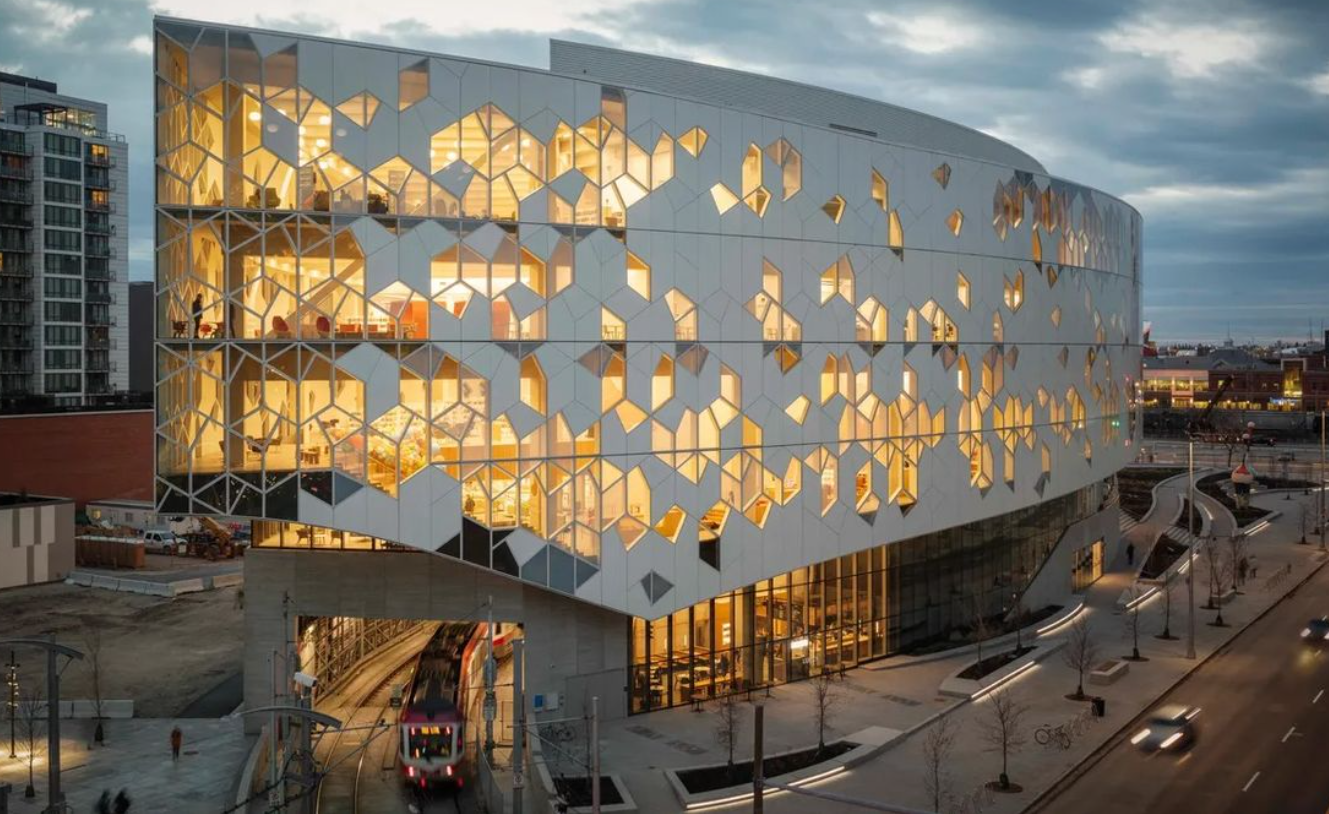
Image Credits: Architecturaldigest.com
Silhouette lighting flips the usual approach: instead of lighting the feature itself, it illuminates the background behind it. When a light source is placed behind a semi-opaque or perforated element—like a jali screen, mesh panel, or louver—the object appears as a dark outline against a glowing plane. This technique adds depth and mystery, ideal for facades that rely on layered screens or double skins. The contrast between brightness and darkness evokes drama while preserving privacy and intrigue.
6. Dynamic Lighting
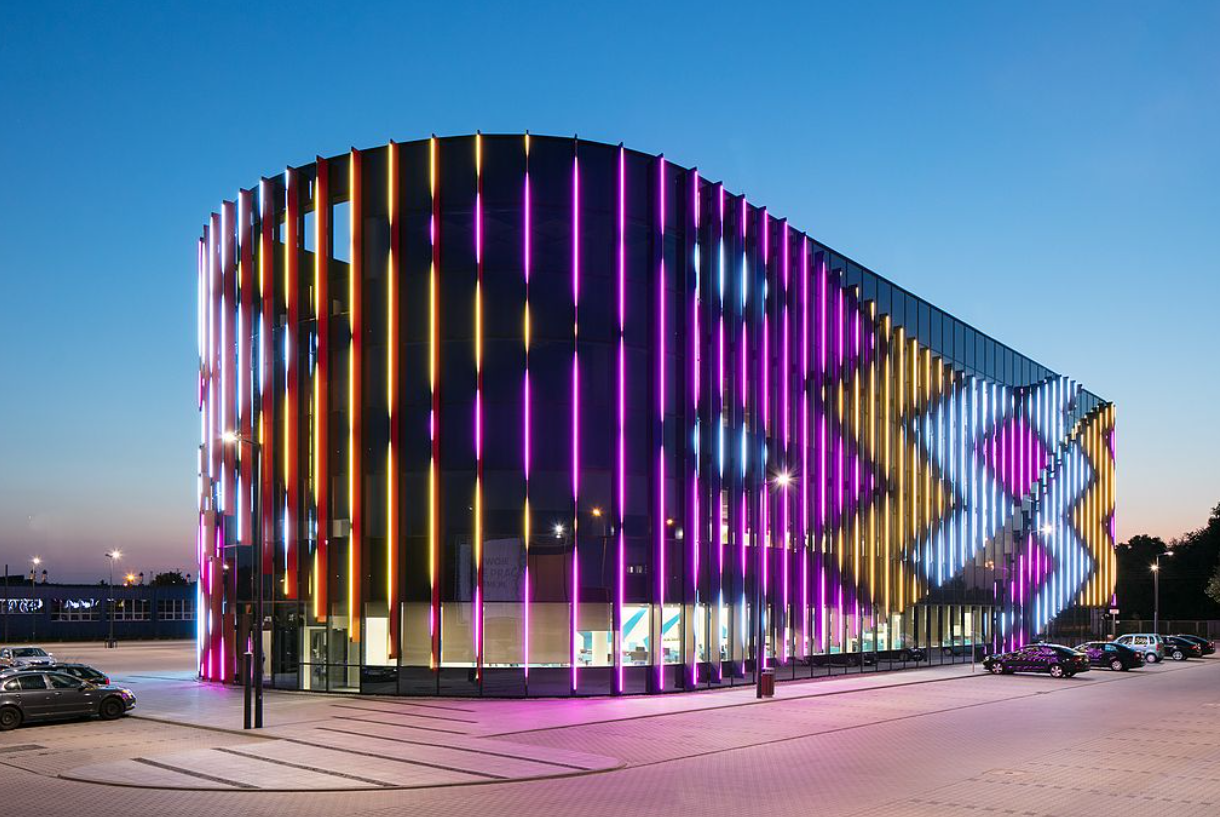
Image Credits: Archdaily.com
Dynamic lighting takes facade illumination beyond static glow into motion and interactivity. Using programmable LEDs, color-changing systems, or projection mapping, light sequences can shift hues, move patterns, or respond to real-time data. It turns the building into a kinetic canvas—perfect for civic landmarks, event venues, or commercial hubs that want to convey vibrancy and innovation. When designed thoughtfully, dynamic lighting brings emotional resonance to urban nightscapes, turning architecture into a living performance.
Final Thoughts:
Facade lighting is not merely about visibility—it’s about storytelling through light. Each technique—from the grounded strength of uplighting to the theatricality of silhouette or dynamic systems—reveals a different side of architecture. The right lighting approach enriches how people experience buildings at night, ensuring that their design identity shines long after dusk. As cities evolve into 24-hour environments, thoughtful facade illumination remains one of the most powerful tools to blend utility, beauty, and emotion in architecture.