A BIM Specialist is a professional who creates, manages, and coordinates intelligent 3D building models for architecture, engineering, and construction projects. Using tools like Revit, Navisworks, and BIM 360, they improve collaboration, reduce clashes, and streamline project delivery across design and construction stages. Whether you are a student exploring a BIM specialist career or a working architect looking to make the switch, this guide covers everything, from the skills and software you need to salary expectations and the full BIM career path in India.
Becoming a BIM Specialist is one of the most promising career moves for architects, engineers, and construction professionals in India right now. If you are exploring how to become a BIM specialist or wondering whether it is the right path for your background, this guide will give you a clear and practical roadmap. Similarly, building information modelling (BIM) is another crucial topic that contemporary architects must not ignore. Allow me to show you the way to become a BIM professional with the help of Kaarwan's priceless advice by laying out a clear and doable plan.
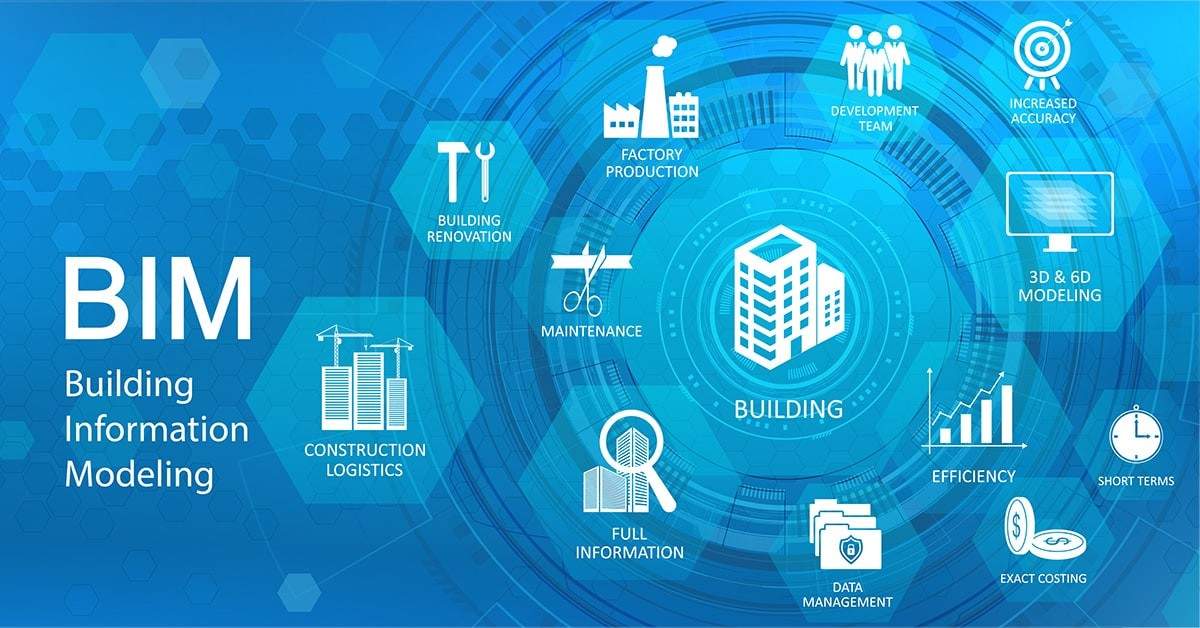
Image Credit: Ormania
First Things First: What Is Building Information Modelling (BIM)?
To begin, let's explain what building information modelling is. One way to capture the structural and operational details of a building digitally is through Building Information Modelling (BIM). When compared to conventional CAD drawings, BIM offers a more thorough, data-rich, three-dimensional digital representation of the entire structure. Visualising the structure in 3D before construction even starts allows for early problem solving thanks to building information modelling (BIM).
Read more: How BIM is Changing Construction Management
I will explain the growing importance of BIM:
- Streamlined project management
- Fewer mistakes made during design and construction
- Visualisation of projects is enhanced
- Efficient management of time and resources
What Does a BIM Specialist Do?
A BIM Specialist is involved across every phase of a construction project, from early design through to handover and facility management. Here is what the role typically involves day to day:
3D model creation — Building and managing detailed architectural, structural, or MEP models using tools like Autodesk Revit, ensuring accuracy and compliance with project LOD standards.
Clash detection and coordination — Running interdisciplinary clash tests using Navisworks to identify conflicts between building systems before they become expensive on-site problems.
Design coordination — Working with architects, structural engineers, MEP engineers, and contractors to ensure all discipline models are aligned and coordinated within a single federated model.
Construction documentation — Generating plans, sections, schedules, and quantity takeoffs directly from the BIM model to support the construction and procurement process.
BIM standards compliance — Implementing and maintaining BIM Execution Plans, Common Data Environment workflows, and ISO 19650-compliant information management practices.
Stakeholder collaboration — Communicating model updates, clash reports, and design changes clearly to both technical and non-technical project stakeholders throughout the project lifecycle.
Want to build a high-growth BIM career? Explore Kaarwan’s industry-focused BIM certification course with live projects and mentorship.
Skills Required to Become a BIM Specialist
Technical Skills
Autodesk Revit — The industry-standard BIM authoring tool for architectural, structural, and MEP modelling. Non-negotiable for any BIM specialist role in India.
Navisworks — Used for clash detection, model coordination, and 4D construction sequencing. Essential for coordinator-level roles and above.
AutoCAD — Still widely used for 2D documentation and as a reference for Revit modelling workflows.
Rhino — Particularly useful for complex geometry and parametric design tasks that go beyond Revit's native capabilities.
BIM 360 / Autodesk Construction Cloud — Cloud-based platforms for Common Data Environment management, model coordination, and project collaboration.
ISO 19650 — The international standard for BIM information management. Increasingly required on government and international projects in India.
Dynamo — A visual programming tool within Revit that allows BIM specialists to automate repetitive tasks and work with data at scale. A strong differentiator in the job market.
Soft Skills
Coordination and communication — BIM is a collaborative process. Being able to work effectively with architects, engineers, contractors, and clients — and communicate model data clearly to non-technical stakeholders — is as important as your software skills.
Problem-solving — Every project throws up unexpected design conflicts. A strong BIM specialist can analyse a clash or coordination issue quickly and propose a practical, constructible solution.
Project management awareness — Understanding project timelines, LOD deliverables, and BIM Execution Plan milestones helps you align your modelling work with broader project goals.
Adaptability and continuous learning — BIM tools and standards evolve rapidly. The best BIM specialists treat learning as an ongoing part of their career, not a one-time event.
Must-Have Abilities for a BIM Career
Pursuing certification as a building information modelling (BIM) expert necessitates honing both hard and soft abilities. Now, we will examine these:
Expertise in the Field
- Expertise with Building Information Modelling (BIM) Software: You must be proficient in Autodesk Revit, Rhino, and AutoCAD.
- Learn the International Building Information Modelling (ISO) 19650 standards so you can understand building information modelling.
- It is essential to have a system in place for efficiently managing huge datasets within BIM software.
General Competencies
- Effective communication involves expressing thoughts precisely and working together with teammates.
- Finding and fixing problems as they arise during the BIM process is an example of problem-solving.
- Adaptability is vital in this age of fast-paced technological and practical change; therefore, lifelong learning is essential.
Read more: The ROI of BIM: Is It Worth the Investment?
If you want to improve these abilities and make the leap from basic knowledge to advanced proficiency with ease, Kaarwan offers organised training sessions that are tailor-made for you.
BIM Specialist Salary in India
One of the most searched questions among architects and engineers exploring a BIM career is: what does a BIM specialist actually earn? The data for 2026 is encouraging.
| Experience Level | Salary Range (Annual CTC) |
| Fresher (0 to 2 years) | ₹4 L to ₹6 LPA |
| Mid-Level (2 to 5 years) | ₹6 L to ₹10 LPA |
| Senior BIM Specialist / Coordinator | ₹10 L to ₹18 LPA |
| BIM Manager | ₹18 LPA and above |
Sources: AmbitionBox, Glassdoor India March 2026.
BIM specialists consistently earn more than their non-BIM counterparts at the same experience level — often 20 to 40% more. MEP BIM specialists command the highest premium, while civil BIM professionals are seeing the fastest salary growth driven by India's infrastructure investment cycle. Adding tools like Navisworks and Dynamo to a core Revit profile can move you from the ₹4 to ₹6 LPA range to ₹8 to ₹12 LPA or beyond at the coordinator level.
Want to build a high-growth BIM career? Explore Kaarwan’s industry-focused BIM certification course with live projects and mentorship.
BIM Career Path
One of the reasons a BIM specialist career is so attractive is that its progression is well-defined and structured. In India, the typical career path looks like this:
Architecture Student or Engineering Graduate
BIM Trainee / Intern (0–1 year): Learn BIM tools, support senior engineers, and build basic Revit skills. BIM Modeller (1–2 years): Create and manage models independently and produce project documentation. BIM Specialist (2–4 years): Coordinate with different disciplines, perform clash detection, and contribute to BIM Execution Plans (BEPs). BIM Coordinator (4–7 years): Manage coordination workflows across disciplines and oversee the Common Data Environment (CDE). BIM Manager (7+ years): Lead BIM strategy, manage teams, and ensure compliance with standards like ISO 19650.
The move from BIM Modeller to BIM Specialist is where the biggest salary jump happens — and it is driven by adding coordination skills and tools like Navisworks and Dynamo to your Revit foundation. From Specialist to Coordinator and beyond, leadership, client management, and standards knowledge become increasingly important.
Software Every BIM Specialist Must Learn
The software tools you know directly determine the roles you are eligible for and the salary you can command. Here is the essential stack for any BIM specialist in India in 2026:
- Autodesk Revit is the starting point for virtually every BIM role. Architects use Revit Architecture, structural engineers use Revit Structure, and MEP engineers use Revit MEP. It is listed as a requirement in the vast majority of active BIM job postings.
- Navisworks is the industry standard for clash detection and model coordination. Adding Navisworks to your Revit skills opens coordinator-level roles and comes with a significant salary jump.
- BIM 360 and Autodesk Construction Cloud are the primary Common Data Environment platforms used by global AEC firms in India. Familiarity with these tools is increasingly expected even at junior levels.
- AutoCAD remains relevant for 2D documentation and as a reference base for Revit modelling on many projects — particularly in civil and infrastructure work.
- Rhino is used for complex geometry and parametric design tasks, particularly in architectural practices working on design-forward or facade-heavy projects.
- Dynamo is a visual programming tool that runs within Revit and allows BIM specialists to automate repetitive modelling tasks, enforce project standards, and process data at scale. It is a strong differentiator in the job market and is specifically called out by hiring managers at firms like L&T and Techture.
A Beginner's Guide to Becoming a BIM Specialist
Allow me to present a well-organised plan that you may effortlessly adhere to:
First Step: Establishing an Academic Base
Get your feet wet by learning the basics. You are in an ideal starting place if you are already enrolled in an architectural program or employed in the field. Nonetheless, you may greatly improve your skill set by taking specific BIM courses or workshops in addition to your regular schooling. Kaarwan provides extensive introductory classes, perfect for newcomers.
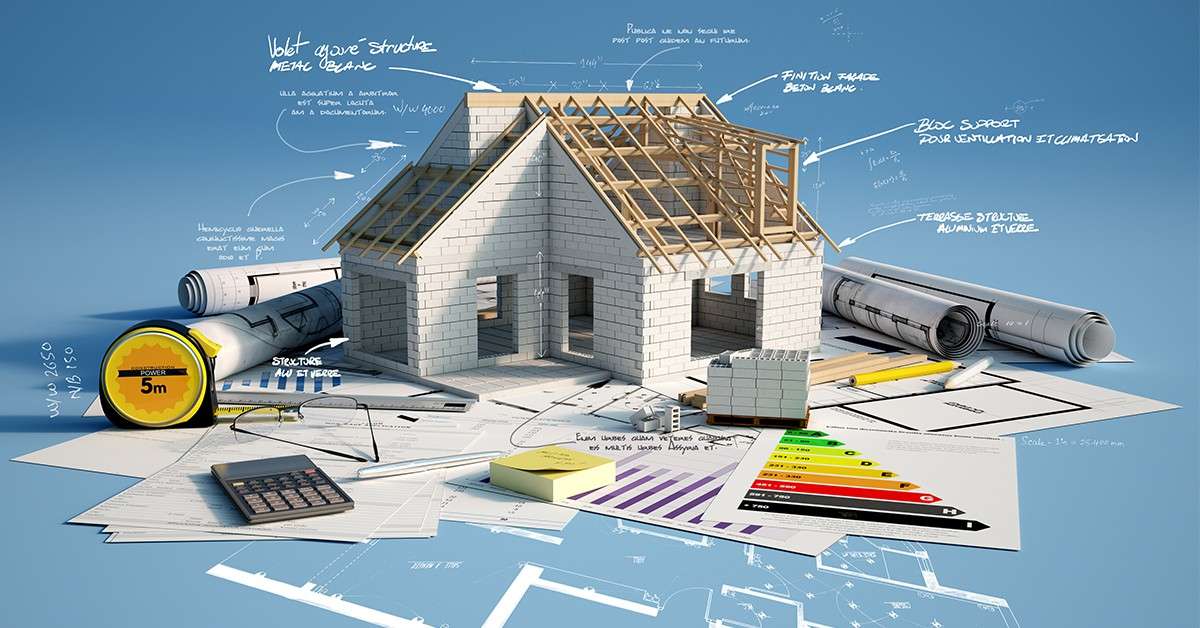
Image Credit: Karpagamarch
Step 2: Acquiring Knowledge of Crucial Software
Learning how to use crucial programs is the next step:
- Revit by Autodesk: Architectural modelling software with extensive use.
- Rhino: Great for complicated geometry.
- Using Navisworks, you can effectively coordinate and detect clashes.
Think about enrolling in a structured software course, such as Kaarwan's, that focuses on real-world, industry-specific applications.
Read more: BIM for Cost Estimation: A Game Changer in Construction
Step 3: Gaining Real-World Experience and Building Your Portfolio
Practical experience is the most effective teacher. Internships, group projects, or freelancing gigs are great ways to put your abilities to use. Create a portfolio that showcases your technical abilities and BIM knowledge by documenting every key project.
The Fourth Stage: Becoming Certified
Your reputation can be enhanced by obtaining a BIM certification. An advantage in the employment market is a certification from an internationally known standard (like ISO 19650) or Autodesk. Kaarwan makes getting these certificates a lot easier by walking students through the steps.
Step 5: Building Professional Connections and Advancement
It is essential to establish professional relationships. Join in on industry events, webinars, and forums that pertain to building information modelling. Through networking, one can find mentors and access to great possibilities. Community events and expert-led sessions are commonplace on platforms like Kaarwan, helping users make valuable contacts in their field.
Read more:
How BIM is Reducing the Carbon Footprint in Construction
The Way in Which Kaarwan Leads You Along This Path
Kaarwan offers three specialised BIM certification programmes — for architects, MEP engineers, and civil engineers — each built around real project simulations, Autodesk certification, and six months of structured placement support. Every programme covers Revit, Navisworks, Dynamo, and BIM 360, and comes with lifetime 1:1 career support including ATS-optimised resume building, mock interviews, and LinkedIn optimisation that stays with you until you land the role.
Explore our BIM Certification Course and start your BIM specialist career in 2026.
Learn Revit for BIM Professionals with Kaarwan's structured, industry-led programme.
Final Thoughts: The Road to Success
Acquiring the skills necessary to become a BIM specialist is an exciting and fulfilling career path that offers many chances for personal and professional development. If you follow the instructions and take advantage of Kaarwan's constructive advice, you should have no trouble reaching your professional objectives.
Can you go on to the next stage? If you want to become a top BIM expert quickly, you should look at Kaarwan's advanced BIM courses.
FAQs
What does a BIM specialist do?
A BIM Specialist creates, manages, and coordinates intelligent 3D building models using tools like Revit, Navisworks, and BIM 360. Their core responsibilities include model creation, clash detection, design coordination across disciplines, construction documentation, and ensuring compliance with BIM standards like ISO 19650.
Is BIM a good career for architects?
Absolutely. BIM is one of the fastest-growing career paths in India's AEC sector. BIM specialists consistently earn 20 to 40% more than their non-BIM counterparts, and the demand for trained BIM professionals is growing rapidly driven by government mandates, infrastructure investment, and international outsourcing.
What is BIM specialist salary in India?
BIM specialist salaries in India range from ₹4 LPA to ₹6 LPA for freshers, ₹6 LPA to ₹10 LPA at mid-level, and ₹10 LPA to ₹18 LPA for senior specialists and coordinators. BIM Managers at global AEC firms earn ₹18 LPA and above.
Which software is required for BIM jobs?
The core software stack for BIM jobs in India includes Autodesk Revit, Navisworks, BIM 360 or Autodesk Construction Cloud, AutoCAD, and Dynamo. Civil engineers additionally need Civil 3D, while architects often use Rhino for complex geometry work.
Can architects switch to BIM?
Yes — and many are doing so successfully. Architects already have the design and construction knowledge that BIM work requires. Adding structured BIM software training, particularly in Revit and Navisworks, is typically all that is needed to make the transition into BIM specialist roles.
How long does it take to learn Revit?
With structured, project-based training, most professionals become proficient enough in Revit to work on real projects within two to three months. Becoming genuinely competitive for BIM specialist roles — with coordination, clash detection, and portfolio projects — typically takes four to six months of focused learning.
Is BIM certification necessary?
While not always mandatory, a recognised BIM certification — particularly an Autodesk Certified Professional credential — significantly strengthens your profile. Certified BIM specialists in India earn 15 to 30% more than non-certified peers at the same experience level, and recruiters at global firms specifically look for it.